Today, the NSW Parliament will debate the case for truth in political advertising laws. It’s the culmination of a months-long petition in which over 31,000 NSW residents lent their names to the call for a ban on misleading ads.

Thu 12 Nov 2026 11.33 AEDT
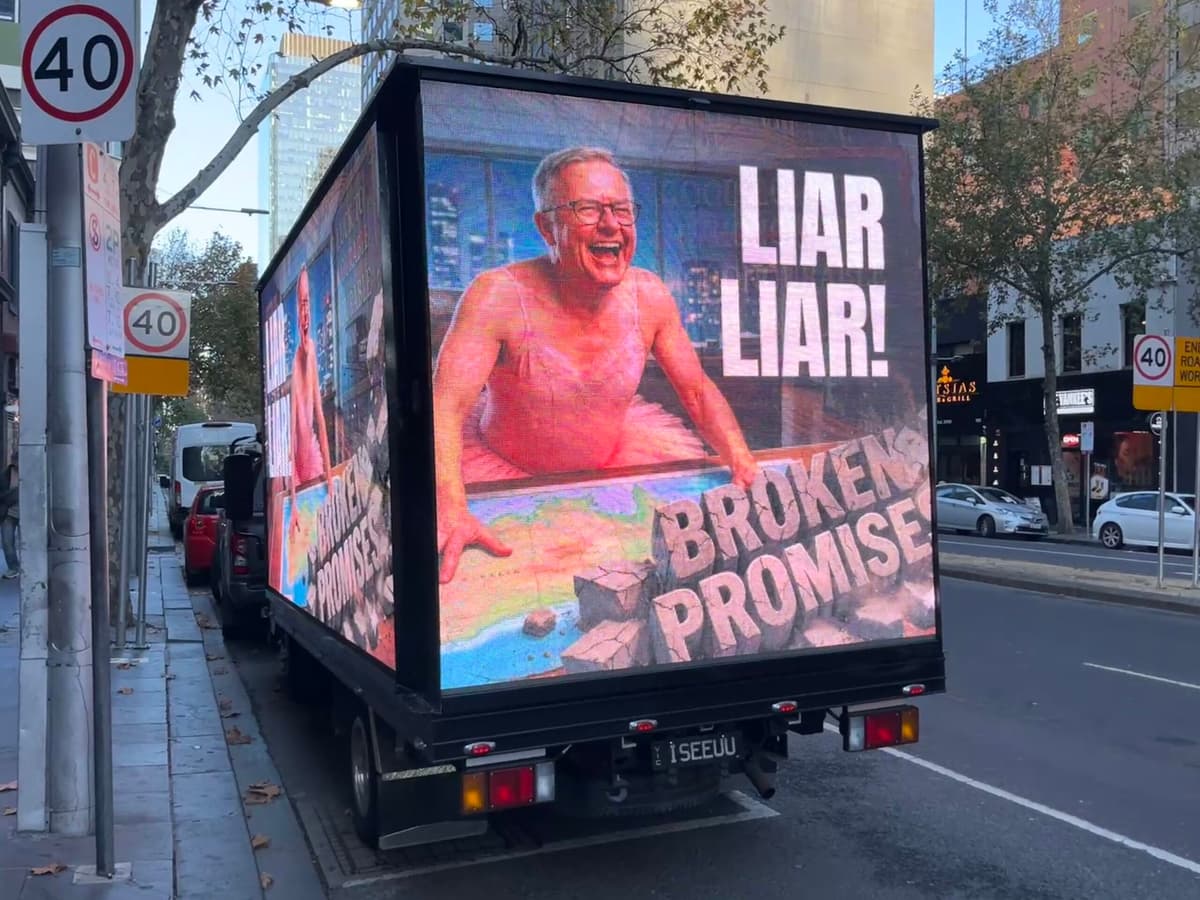
Photo: AAP Image


Today, the NSW Parliament will debate the case for truth in political advertising laws. It’s the culmination of a months-long petition in which over 31,000 NSW residents lent their names to the call for a ban on misleading ads.
While all misleading advertising is wrong, because it deprives voters of the right to make an informed choice, those MPs who have backed truth in political advertising laws in NSW have expressed special concern about Artificial Intelligence-generated deepfakes.
Alex Greenwich warned of “misinformation and ‘alternative facts’ being shared far and wide, including through AI”; Kobi Shetty identified that “the emergence of AI” left people simply not knowing what to believe; and Phil Donato said that the “rise of AI” meant it was more important than ever that political advertising is factually correct and accurate.
They are right to worry. Politicians in other states have made widespread and reckless use of AI-generated deepfakes.
In Victoria, the Liberal Party ran a deepfake ad campaign based on rumours that Labor Premier Ben Carroll sometimes naps during the workday. Labor published a Halloween-themed ad featuring Liberal Opposition Leader Jess Wilson and One Nation leader Warren Pickering supposedly threatening to “Americanise” the Australian healthcare system. One Nation launched its Victorian election campaign with a video that served as an AI-generated “collection of racist tropes”.
In Tasmania, AI-generated content was used to amplify Premier Jeremy Rockliff’s erroneous claim that a public school was removing “all references to Christmas in end of year school celebrations”. Liberal minister Eric Abetz published a deepfake of a mournful child who had practised the role of shepherd only to have the nativity play cancelled. In response to criticism that the scenario was confected, Abetz published a deepfake of himself playing basketball.
The Canberra Liberals were among the first Australian political parties to use AI. They released a fully AI-generated election advertisement for the 2024 territory election, including a deepfake video of Labor Chief Minister Andrew Barr cackling. Two years later, Barr would misuse AI himself, posting an AI-generated image of a gigantic data centre overshadowing a public pool. Viewers have to click an extra button to find out that AI was involved; there was no disclosure in the post or on the image itself. Barr’s intention was to ridicule an ACT Greens proposal that waste heat from data centres could heat public pools in winter. But when data centres overseas have been co-located with public pools, they have been the size of a washing machine. It is unlikely that a real photograph of a data centre co-located with a pool could have created the same impression that the artificially generated one did.
Quality research, analysis, explainers and factchecks from experts you can trust.
NSW – unlike Victoria, Tasmania and the ACT – already has some protections against deepfakes: the laws ban electoral material that depicts “a simulated person performing an act that the real person depicted did not perform” and require labelling any digitally generated material “that depicts a digitally created person, event or place that a reasonable person would think is an actual person, event or place”.
However, there is a glaring gap in the laws: they only apply for the period from about three weeks before election day – by which point most of the damage will have been done.
Australia Institute polling research from this year finds that nine in 10 Australians (91%) agree that truth in political advertising laws should be in place in time for the next election campaign, including 77% who strongly agree, and most Australians (57%) support a ban on political parties using fake, AI-generated images and videos of their opponents in political advertising.
Clear labelling of digitally manipulated content and a ban on misleading sound, images and video would protect Australian voters. We know such laws are practical and enforceable, because South Australia has had truth in political advertising laws for 40 years and recently extended them to some AI-generated deepfakes as well.
A National Party MP, Don Page, campaigned for similar laws for NSW back in 2007. At the federal level, the Albanese Government proposed laws against misleading advertising and AI-generated deepfakes of political candidates – but never followed through.
It can take a lot to get politicians’ attention. But when 31,000 people speak with a single voice, just months out from an election, politicians have to take notice. Regardless of how today’s debate goes in the NSW Parliament, voters have made it clear that they want protections against lies, untruths and the AI-led manipulation of election campaigns.
Bill Browne is Director of the Democracy & Accountability Program.

