The scandals plaguing Australian cricket and those plaguing KPMG may seem unrelated at first glance. But they have in common acts of wrongdoing, botched investigations, senior officials determined to look the other way, unconvincing denials, blame games and, above all, the loss of public trust.


Wed 18 Nov 2026 09.19 AEDT
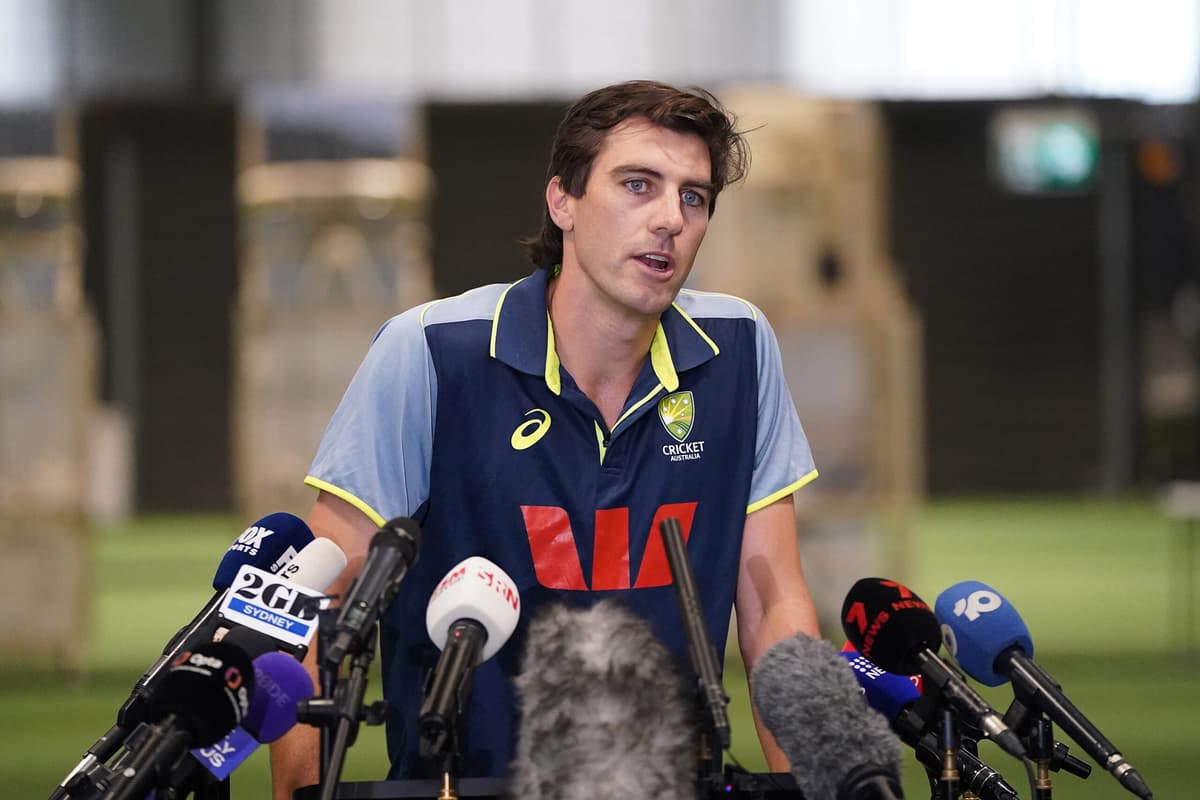
Photo: AAP Image/Robbie Stephenson


The scandals plaguing Australian cricket and those plaguing KPMG may seem unrelated at first glance. But they have in common acts of wrongdoing, botched investigations, senior officials determined to look the other way, unconvincing denials, blame games, and, above all, the loss of public trust.
They paint an unhappy picture of how truth and transparency are treated by this country’s elite institutions. And unless we improve Australia’s collective mechanisms for accountability, sports teams and large audit firms will not be the only national institutions consumed by scandal.
Late one evening in March, Senator Deborah O’Neill stood up in the Senate to deliver a speech which would shake corporate Australia. She used parliamentary privilege to raise a whistleblower’s serious concerns about conduct at KPMG.
KPMG’s first strategy was denial. The partnership’s senior leaders at the time cited two external investigations to support the claim that they had been “unable to substantiate any claims of wrongdoing raised with us.” It took months of inquiries from O’Neill’s Senate committee and investigative reporting by the Australian Financial Review to vindicate the whistleblower and dismantle KPMG’s deflections. The auditor ends the year with its reputation in tatters, and having lost some of its biggest clients.
The Senate inquiry into KPMG showed how far a major international firm – a firm which itself sold whistleblowing expertise to the government and some of Australia’s biggest companies – would go to avoid the truth. Presented with serious allegations by a credible whistleblower, KPMG shot the messenger, engaged prestigious law firms to run sham investigations and then exonerated itself. If it were not for the Senate, the Australian public and KPMG clients would be none the wiser about the firm’s improper use of confidential information.
There are striking parallels with the 2018 ball tampering scandal by the Australian test cricket team, which returned to the public consciousness this past week thanks to Usman Khawaja’s new autobiography. A major breach of trust was followed by a cover-up, an investigation so absurd it can only have been done to avoid accountability. David Warner, one of the three test cricketers to take the fall at the time, alleged on Saturday that the team’s three fast bowlers were not even interviewed in the ball-tampering investigation.
“It looks like they had decided who they wanted to blame from the very beginning[,] ran a shoddy investigation to serve the purpose and now they want to maintain the false narrative,” Warner said. “That stinks of a cover-up.”
Quality research, analysis, explainers and factchecks from experts you can trust.
Cricket Australia does not seem any more interested in the truth than KPMG was. Following Khawaja’s testimony, the sport’s chief executive doubled down. “We have said we’re comfortable with the outcome of the investigation based on the information we’ve received,” Todd Greenberg said. “We don’t see any compelling reason to open the investigation or revisit this again. I don’t think there’s anything that can be gained from that.”
Greenberg may have been saying the quiet part out loud when he admitted the sport was “comfortable with the outcome” – an outcome that blamed a few bad apples instead of reckoning with team culture. It was a convenient outcome, unfortunate for the three who took the fall, good for the wider institution – just as KPMG’s carefully staged-managed investigations initially ensured an outcome that suited the firm. Hear no evil, see no evil.
Then there is the refusal to “revisit” the matter, despite Khawaja’s considerable new evidence. When Greenberg says there is nothing to be gained from a reopened investigation, is the implication that the truth would be inconvenient and the official story a more comfortable fiction?
The KPMG saga has seen mea culpas, several external reviews, a suspension from federal government contracting and considerable job losses. The Cricket Australia scandal may have further to run. But the fact that two leading lights of our society – one of the big four audit and accounting firms and the national team for one of our country’s most beloved sports – are embroiled in scandal is instructive about wider ills in our society.
If the Albanese Government was serious about addressing wrongdoing in public life, stronger protections for whistleblowers would be a start. Why did it take Senator O’Neill using parliamentary privilege to protect a whistleblower to expose the KPMG scandal? Why did Khawaja wait eight years to publish his side of the story? Over the past decade, we have seen whistleblowers sued, prosecuted and imprisoned, and the Albanese Government fail to deliver promised whistleblower protections and support.
It does not need to be this way. The Australia Institute’s polling research shows that the vast majority of Australians recognise the importance of whistleblowers and support stronger whistleblower protections. KPMG and Cricket Australia will not be the last major scandals to shake public trust and confidence. But there is something concrete the government can do right now to ensure more accountability and a greater regard for the truth among major Australian institutions: better protect whistleblowers.
Dr Richard Denniss is the co-CEO of The Australia Institute and Bill Browne is Director of the Democracy & Accountability Program at The Australia Institute.

