The news that the lowland Leadbeater’s possum – Victoria’s faunal emblem – is now extinct in the wild should send shockwaves through Victoria. The last remaining wild population at Yellingbo Nature Conservation Reserve – battered by habitat degradation, feral deer and invasive predators – has been evacuated to captivity at Healesville Sanctuary. A genetically distinct population of Victoria’s own faunal emblem has been driven from its natural habitat.

Tue 24 Nov 2026 09.40 AEDT
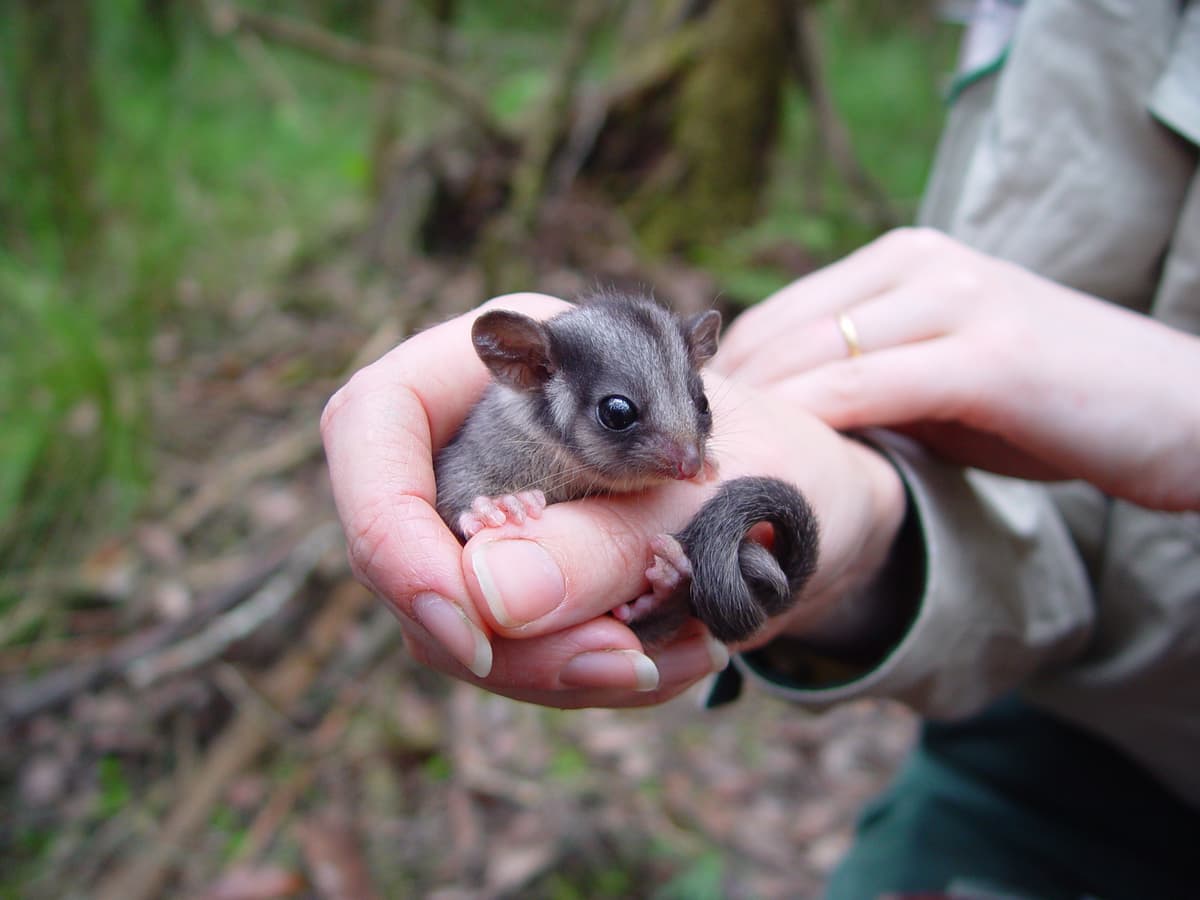
Photo: Leadbeaters Possum (Dan Harley)


The news that the lowland Leadbeater’s possum – Victoria’s faunal emblem – is now extinct in the wild should send shockwaves through Victoria.
The last remaining wild population at Yellingbo Nature Conservation Reserve – battered by habitat degradation, feral deer and invasive predators – has been evacuated to captivity at Healesville Sanctuary. A genetically distinct population of Victoria’s own faunal emblem has been driven from its natural habitat.
It is a devastating milestone and a stark warning that Victoria’s nature is in crisis.
Across Victoria, established invaders are rapidly gaining ground. Up to one million feral deer now occupy 40 per cent of the state, destroying native vegetation, degrading waterways and threatening a $2 billion economic impact by 2050 if left unchecked.
Feral cats kill hundreds of millions of native animals nationally each year and threaten 123 species in Victoria, including the Leadbeater’s possum and helmeted honeyeater. In the High Country, feral horses tear through fragile alpine bogs, while invasive weeds like buffel grass threaten to transform biodiverse Mallee landscapes into dangerous fire-prone grasslands.
Despite these escalating crises, Victoria’s response remains fragmented and under-resourced.
Recent public sector budget cuts have weakened land management agencies, leaving frontline workers without adequate resources and forcing farmers, Landcare volunteers and local communities to shoulder an impossible burden.
Politicians assuming invasive species management is a peripheral issue are misreading the electorate.
Recent polling by DemosAU reveals that nearly one in three voters – including 27% of Coalition supporters, 30% of Labor voters, 28% of Greens supporters and 27% of One Nation voters – are more likely to vote for a party that commits to increased funding and decisive action on feral animals and weeds.
In a tightly contested election likely to be decided in suburban fringe and regional seats, a few hundred votes could determine key contests.
Victoria needs a comprehensive reset. Every political aspirant contesting this election should present a bold plan for nature protection and invasive species management.
For too long, political decisions have actively undermined efforts to control invasive species.
Quality research, analysis, explainers and factchecks from experts you can trust.
Victoria remains the only mainland state that protects feral deer as game animals under the Wildlife Act, creating unnecessary barriers to effective control. Feral horses are still classified as livestock in state forests, complicating timely, humane management.
These outdated protections put invasive animals ahead of native wildlife. Meanwhile, governments continue spending money managing the damage rather than preventing it.
The next Victorian government should establish a $200 million Pest and Weed Fund to support sustained, community-led control, strengthen Landcare networks and coordinate action across public and private land.
It should also act before emerging infestations become permanent disasters. Deer spreading into western Victoria present an opportunity to eradicate isolated populations before they become as entrenched as those in the east.
Protecting Victoria’s remaining wildlife strongholds should be equally urgent.
Fully funding the Prom Sanctuary project at Wilsons Promontory and completing invasive species eradication on French Island would create vital refuges for threatened wildlife. Ongoing funding for the Faunal Emblems Program and the protection of critical habitat, particularly in the Central Highlands where the last remaining wild Leadbeater’s possums are found, are also essential to give our iconic threatened species a future beyond captivity.
An independent Environmental Biosecurity Commissioner would strengthen accountability and ensure governments are held responsible for delivering results.
None of this is beyond our reach. What has been missing is the political courage to match the scale of the crisis.
The extinction of the lowland Leadbeater’s possum in the wild should be more than another tragic headline. It should be the moment Victoria’s political leaders recognise that protecting nature requires more than promises.
Victorians deserve a genuine contest of ideas at this election – and a government willing to stop the next extinction before it happens.
John Kelly is a Victorian Conservation Advocate at the Invasive Species Council

