This is the seventh piece of seven in an ongoing series examining the remarkable flaws of the Safeguard Mechanism, updating our previous analyses with new data, facts and figures as a review of the scheme kicks into gear.

Tue 24 Nov 2026 01.00 AEDT
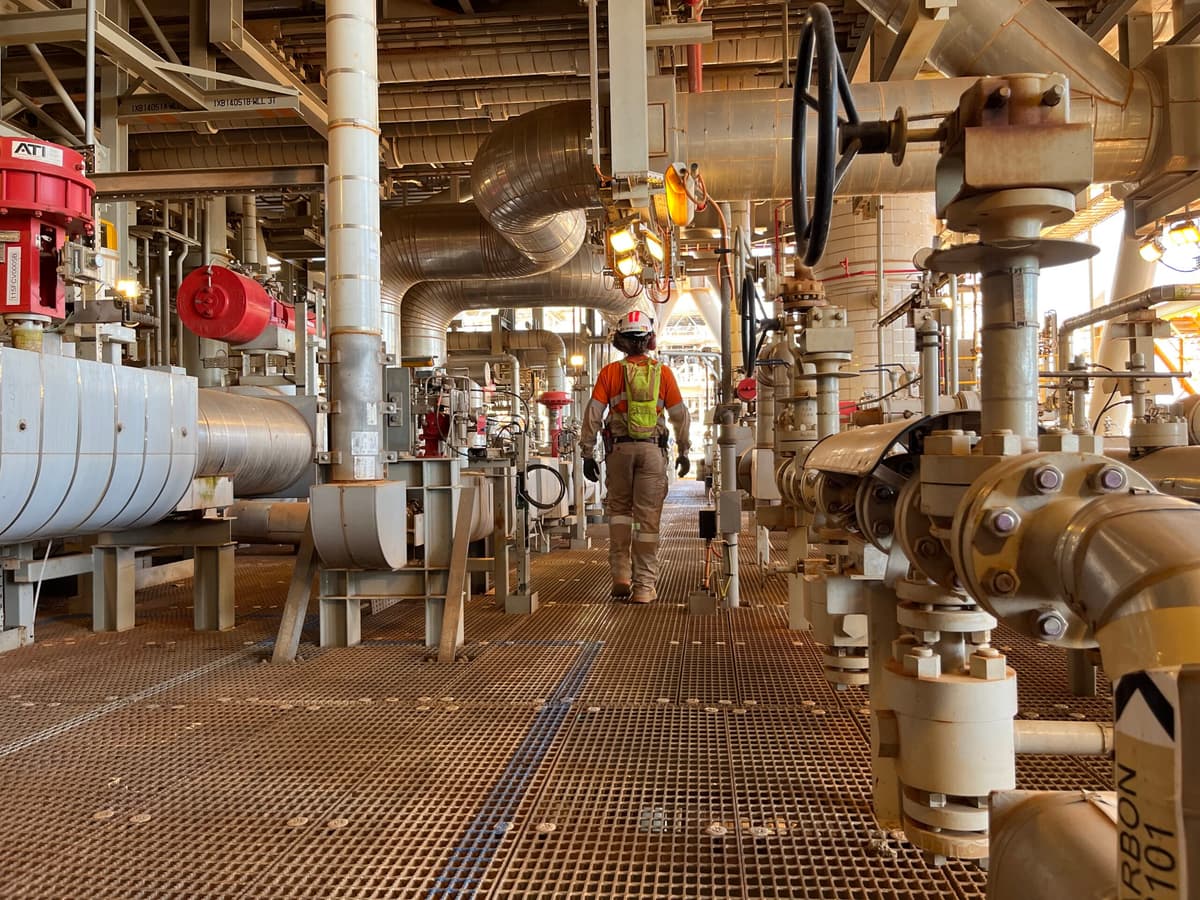
Photo: AAP Image/Marion Rae


As we’ve covered in great detail, carbon dumping via carbon capture and storage (CCS) has long served as a way for the fossil fuel industry to prolong its climate harm. It has long been promised as a magic bullet to solve the industry’s emissions. This has come in the form of ‘point source’ CCS, where emissions are captured where they’re released, along with ‘direct air capture’ where air is sucked from the sky and processed to remove carbon dioxide.
Both of these technologies have no serious place in real climate policy. They’ve both been well funded over many decades, and they’ve both failed to actually ramp up and cut emissions in a deep way, unlike wind and solar. CCS is specifically identified as a ‘false solution’ in the 2026 ‘Transition Away from Fossil Fuels’ report.
The latest update from the Clean Energy Regulator shows that between October 2025 and October 2026, carbon offsets generated through a new method related to the operation of ‘carbon capture and storage’ (CCS) accounted for 5% of all offsets created in that time period. It was the third-highest volume of offsets generated across all categories. Considering the controversy and questions relating to CCS, this is a remarkable number.
While the bulk of so-called offsets still stem from other methods, we consider this to be an extremely problematic addition to the Safeguard Mechanism. All these offsets relate specifically to the Moomba carbon capture project operated by Santos, as part of its gas extraction activities in South Australia.
While there have not yet been any notable investigations into the veracity or quality of these carbon capture offsets, we know that the operation of this CCS facility remains a tiny fraction of Santos’ total emissions. Even assuming the carbon is being captured here as claimed, the emissions related to the gas produced at Moomba will far outweigh the emissions avoided using CCS.
Quality research, analysis, explainers and factchecks from experts you can trust.
While Santos earns revenue by selling carbon offsets from the project, effectively ‘selling’ the climate action to another party, the company still claims the emissions reductions for themselves in their annual sustainability report; effectively double counting the benefits.
Furthermore, the carbon offsets sold by Santos were seemingly bought and used by Woodside Energy, specifically to claim compliance with a Safeguard Mechanism target they missed at the North West Shelf facility (the scheme’s highest polluter).
What this shows is an ugly, webbed network of all the worst components of climate delay. Fossil fuel companies reporting emissions reductions in questionable ways, these being ‘traded’ as offsets and then ultimately being used by another polluter to excuse their failure to align with their climate targets.
It is exactly what you might expect from a scheme that is problematically ridden with the worst forms of greenwashing.
The Australian government should get rid of this CCS loophole ASAP. It’s clear that this is only going to get worse, particularly as scrutiny on the other dodgier forms of carbon offsetting increases. Both the production and the use of carbon offsets in the Safeguard Mechanism should be clamped down.
Ketan Joshi is a climate analyst and writer.

