For decades, thousands of people have walked freely through the private corridors of Australia’s Parliament House – areas typically reserved for parliamentarians and their advisors – without the public ever knowing who they were or whose interests they represented. As of the 1st of July this year, that has finally changed.
New rules for parliamentary access passes, signed off by the Presiding Officers – House Speaker Milton Dick and Senate President Sue Lines – have come into effect. These are more than a technical administrative change. They are a welcome, if overdue, step towards a more transparent and accountable parliament.
What’s changing?
The rules govern a category of passes reserved for people seeking regular access to meet with political representatives, including professional lobbyists, corporate executives, and community and non-profit advocates.
Lobbying has become a dirty word, but in principle, it is an inherently democratic activity involving the right to communicate with our elected representatives. But when this political access is dominated by well-funded vested interests driven by their commercial profits, the scale tips against democratic outcomes. Policy decisions skew toward corporate gains instead of the public interest – gas taxation and gambling regulation being textbook recent examples.
Under the old pass system, anyone with “regular business” at Parliament House could apply for an orange pass, sponsored by a parliamentarian. More than 2,000 people held one, but their identities were never disclosed. Lobbyists could access the building around the clock, seven days a week, with no public record of who they were or who had sponsored them. It was the political equivalent of a backstage, all-access, ticket into our nation’s parliament, giving passholders unprecedented access in their efforts to influence our elected representatives.
The new rules change that, in three important ways:
- Who gets in: Orange passes are now reserved exclusively for registered federal lobbyists. A new light-blue pass has been created to cover everyone from corporate in-house lobbyists to non-profit and community representatives. All passes now require sponsorship from two parliamentarians rather than one, and lobbyists will no longer have unrestricted access outside business hours. Registered lobbyists and commercial passholders will pay a one-off registration fee, while advocacy and community passholders are exempt.
- What the public will see: For the first time, passholder details will be published on the Parliament of Australia website and updated quarterly. For registered lobbyists, that means the sponsor’s name, the passholder’s name, and the organisation or lobbying firm they represent. For commercial, advocacy and community passholders, the register will show sponsors, organisation, and the total number of cards issued.
- What happens when the rules are broken: The compliance regime has also been strengthened. A registered lobbyist found to have breached the Lobbying Code of Conduct and removed from the Lobbyist Register will now automatically lose their sponsored pass. This is a sensible link between two systems that previously operated in isolation.
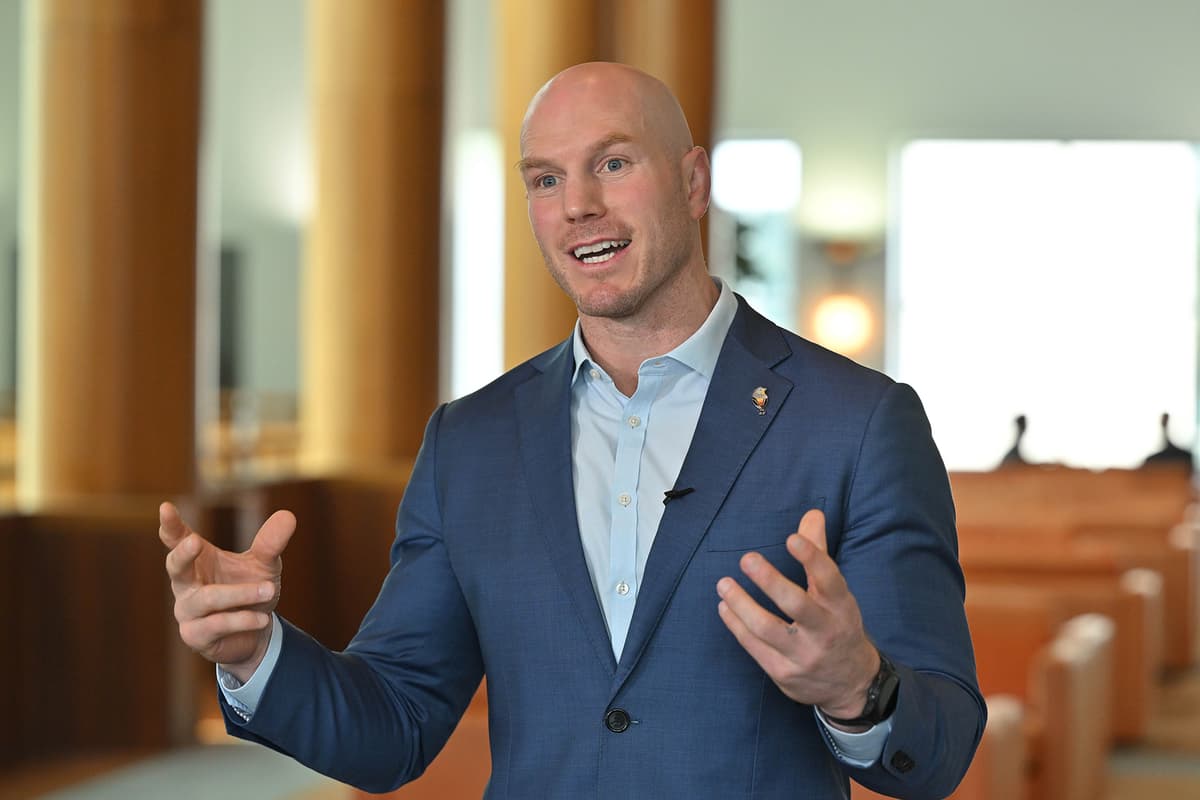
These changes didn’t emerge from nowhere. They follow sustained campaigning from crossbench MPs and senators, particularly David Pocock and Monique Ryan, who spent years pushing for exactly this kind of disclosure. Senator Pocock even set up his own website, inviting lobbyists and parliamentarians to self-report, in the absence of any official register.
The changes demonstrate that our political system can be responsive to public pressure and recognise the sustained advocacy that made them possible.
A start, not a finish
Taken together, these changes are a meaningful step towards a more open and accountable democracy. But they only touch one part of the machinery that governs lobbying at the federal level. The rules that matter most — the Lobbying Code of Conduct and the Lobbyists Register — remain weak.
The Presiding Officers’ decision throws that into sharp relief and adds to growing momentum for broader reform: a national Lobbying Act, bringing in-house corporate lobbyists under the same rules as external lobbying firms, stronger ‘revolving door’ restrictions to stop ministers and senior advisors walking straight into private sector lobbying jobs, disclosure of ministerial diaries, and an independent commission to oversee the whole scheme.
The evidence suggests strong public support. Recent polling for the Australian Democracy Network found 62 percent of Australians believe the political system is not working for ordinary people, while 61 percent believe the government is more focused on powerful interests than ordinary Australians. Clear majorities back reforms that would make the government more transparent and accountable to the people, including lobbying reforms, during the current term of parliament.
The Presiding Officers have shown Parliament can fix the rules for who gets through the door. The next test is whether the Albanese Government is prepared to strengthen the rules governing what happens once they’re inside.
Christian Slattery is a Senior Campaigner at the Australian Democracy Network (ADN)