When people invoke a “black swan event,” they mean the unthinkable: a shock that comes from nowhere.
The arrival of H5N1 bird flu on the Australian mainland is many things. Unexpected is not one of them.
A migratory brown skua found dead at Cape Le Grand National Park in Western Australia has now been confirmed as Australia’s first mainland H5N1 case, making our continent the last to fall to a virus that has reshaped wildlife populations across the globe.
Agriculture Minister Julie Collins described the detection as “sobering, but not unexpected.” Scientists and conservation organisations have been saying exactly that for years.
For more than a year, the Biodiversity Council, Birdlife Australia and wildlife health experts warned publicly that Australia was living on borrowed time.
Since 2021, H5N1 has caused a global animal pandemic, killing millions of wild birds and triggering significant population declines in some species, while also spreading to wild and domestic mammals, with seals particularly affected.
We watched it devastate South America, Europe, North America, and Antarctica, and it has hit our sub-Antarctic islands – where experts think the brown skua may have flown in from. We had time to prepare. The question now is whether we used it.
And perhaps no creature makes the stakes more painfully clear than the one saddled with the namesake of history changing moments.
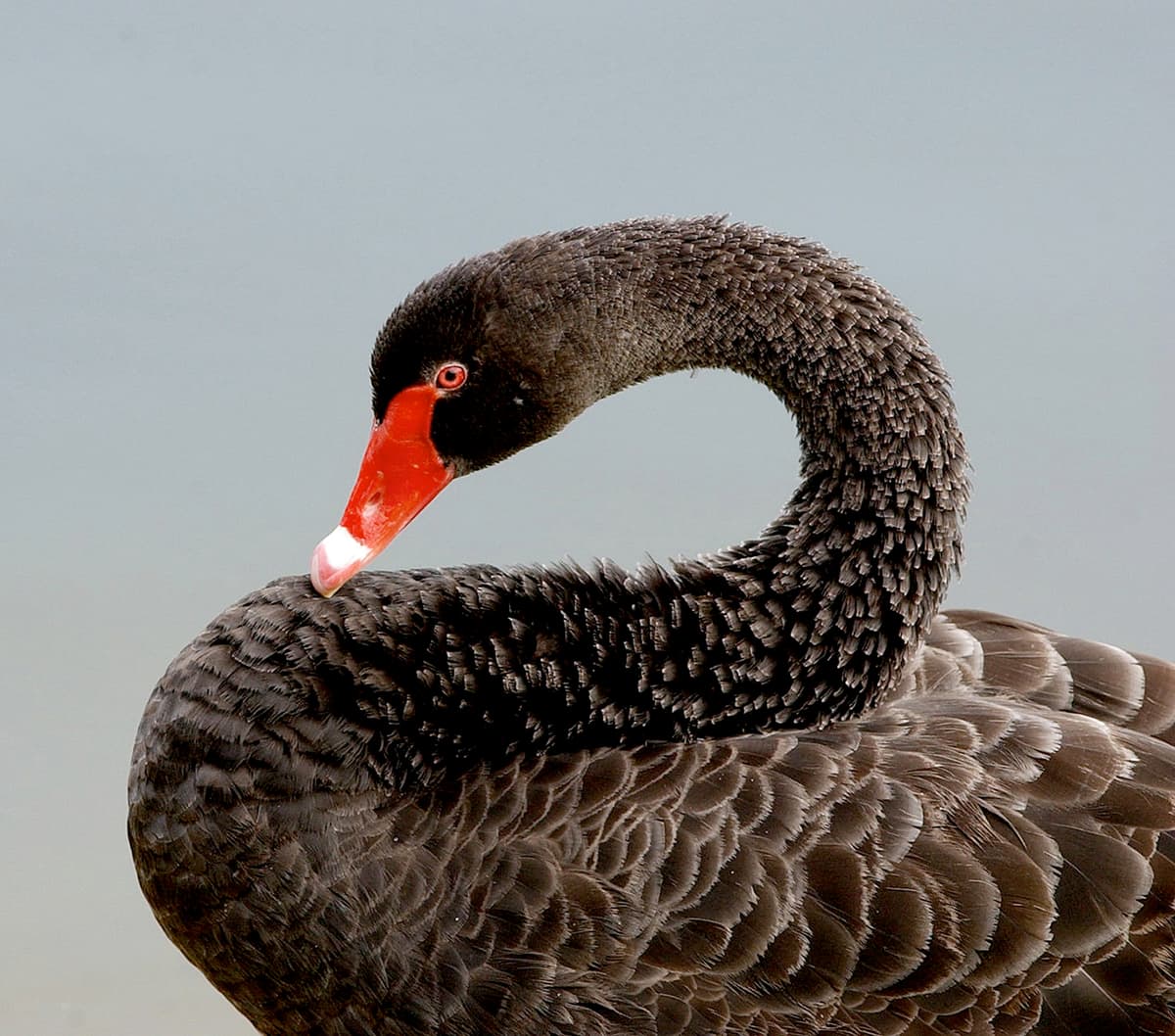
The black swan is woven into Australia’s national fabric, the emblem of Western Australia, gracing its flag and coat of arms. It is also, scientists have warned for years, one of the species most acutely vulnerable to the virus now on our shores.
Research led by the University of Western Australia found that black swans show undetectable gene expression in a key immune receptor – the toll-like receptor TLR-7 – a class of proteins responsible for the immune system’s ability to recognise and respond to foreign viruses.
Australia’s geographic isolation has meant limited exposure to pathogens commonly found elsewhere, resulting in reduced immune diversity, or as it is sometimes called, ‘immune naivety’, for our endemic swans. Unlike mallard ducks, black swans are extremely sensitive to highly pathogenic avian influenza and can die from it within three days.
For years, scientists have known that bird flu kills every black swan it infects, making H5N1 an existential threat to the species. The phrase “black swan event” has taken on a painfully dire meaning.
The Invasive Species Council has warned that this strain of bird flu could have catastrophic impacts on native birds and may lead to local extinctions of species like black swans.
Tasmania’s own black swan populations are particularly exposed. The island state’s isolated wetlands, estuaries and coastal waterways support significant numbers of the species, and because black swans congregate in large groups, a single introduction of the virus into a flock could spread rapidly through local populations, potentially wiping them out entirely.
The threat doesn’t stop with birds.
The Commonwealth Chief Veterinary Officer has specifically identified Tasmanian devils as a species at risk, warning that if H5N1 reaches Australia, it could push the species closer to extinction.
The reason is ecological: Tasmanian devils are scavengers and predators, and scavengers are known to be at particularly high risk of contracting H5N1 through eating infected birds or carcasses. A devil encountering a dead or dying infected bird – an entirely normal behaviour for the species – could become a vector for rapid spread through already stressed wild populations.
And stressed they are.
Devil facial tumour disease has wiped out around 80% of the Tasmanian devil population based on the last comprehensive survey in 2024, decimating a species that was not considered under threat just four decades ago.
The facial tumour disease – a rare, contagious cancer transmitted through biting – has spread across virtually all of Tasmania and remains almost universally fatal.
There are no detailed plans specifically aimed at reducing H5N1 deaths in Tasmanian devils. A species that has survived one devastating disease now faces another, without a safety net.
Adding a highly pathogenic new virus to that list could push wild devil populations beyond the point of recovery. The Tasmanian government has developed a readiness and response plan for bird flu, which acknowledges that an H5N1 outbreak in Tasmania would cause mass mortality in free-ranging birds and some marine and land mammals. But acknowledgement and preparedness are not the same thing.
This matters because Australia cannot afford more losses.
Australia has by far the worst mammal extinction rate in the world; approximately 10% of our terrestrial mammal species have been wiped out since European colonisation. Representing around 50% of global mammal extinctions during that period.
We are home to extraordinary, irreplaceable life, and we are losing it faster than almost anywhere on Earth.
The arrival of H5N1 should now trigger an urgent national conversation about funding and preparedness for our wildlife and biodiversity. We need strong wildlife disease surveillance, emergency response capacity, habitat protection and recovery planning.
Research and analysis from The Australia Institute has consistently shown that protecting biodiversity is not a luxury to be considered after economic priorities are settled. It is fundamental national infrastructure.
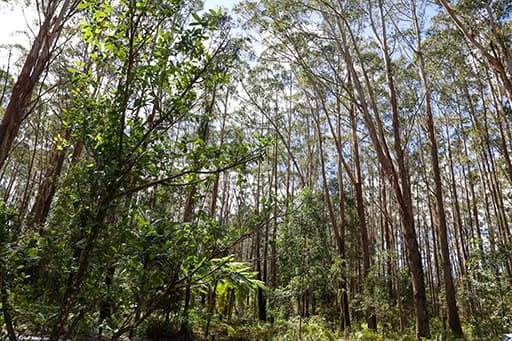
Species are far more resilient when they have large, healthy, connected habitats, protected wetlands, intact coastal ecosystems, and an end to native forest logging that continues to degrade critical wildlife habitat.
Australia’s conservation history is filled with species we failed to save despite clear warnings. Another Tasmanian example, the thylacine, comes to mind. The lesson from those losses is painfully consistent: warnings only matter when governments act on them.
H5N1 may have arrived on the wings of a migratory seabird. But the scale of what comes next will depend entirely on choices made here at home.
We cannot stop every threat from reaching our shores. We can choose whether our wildlife faces those threats with healthy habitat, strong environmental protections and properly funded conservation and restoration programs.
The real black swan event is not that bird flu has arrived. It’s that we were warned and did not use the lead time to put in place species protection and restoration plans.
Louise Morris is an advocate at the Australia Institute