Adding life to our years, not years to our lives
How long we live is only part of the story. What matters just as much is how long we remain healthy. And on that measure, we have a problem.


Senior Postdoctoral Research Fellow at The Australia Institute.
Luke Slawomirski is a health economist, policy analyst and former clinician. He has worked for State governments and the Commonwealth, and spent several years working with the OECD in Paris. He is a visiting lecturer in public health at Imperial College London. His interests include prevention and public health, healthcare quality and the political economy of health. He has led several OECD reports and academic papers, and frequently writes opinion pieces in the local media.
How long we live is only part of the story. What matters just as much is how long we remain healthy. And on that measure, we have a problem.
A genuine improvement for households facing very limited options becomes a sales pitch for continued fossil gas use everywhere. ‘Cleaner than burning animal dung’ is a very low bar for a climate solution.
Private health care is supposed to take pressure off public hospitals. Sometimes it can do the opposite. When scarce clinical resources are used where they’re least needed, public patients wait longer.

The Albanese Government’s attempt to have taxpayers stop paying so much for private health insurance sparked all kinds of talk about premiums, pensioners and pressure on public hospitals. But more importantly, it has exposed a much bigger problem with Australian healthcare.

Australia’s health system is exhibiting some of the worst traits of its American counterpart. We spend heavily once people are sick. Over the longer term, spending on hospitals has grown faster than spending on primary care and prevention.

The Department of Health, Disability and Ageing has released a consultation paper on excessive specialist fees. The paper can be boiled down to a simple question: when a specialist charges far more than their peers, or far more than the Medicare schedule fee, could government do anything about it? The answer is yes.

It should not be assumed that every private hospital service is essential care that would otherwise have to be performed in a public hospital. Like the public system, private healthcare delivers excellent and necessary care. But it also delivers care of little or uncertain value. Australian research has demonstrated low-value procedures in the private sector.

Older Australians benefit the most from the private health insurance (PHI) rebate. As things stand, Australians aged 65 and over are eligible for an extra, age-based subsidy. It’s worth about four percent extra for people aged 65–69 and eight percent extra for those aged 70 and over. However, earlier this year the government announced it would remove the additional subsidies. If passed, rebates will be based solely on income, not age.

Australia’s usual model of general practice relies heavily on private businesses earning revenue for each service they provide. That can work reasonably well where there are lots of patients and doctors (i.e. cities). It works less reliably in a town of a few thousand people, where maintaining a viable practice can depend on rents, accommodation, hospital arrangements and whether somebody can cobble together funding from three levels of government.
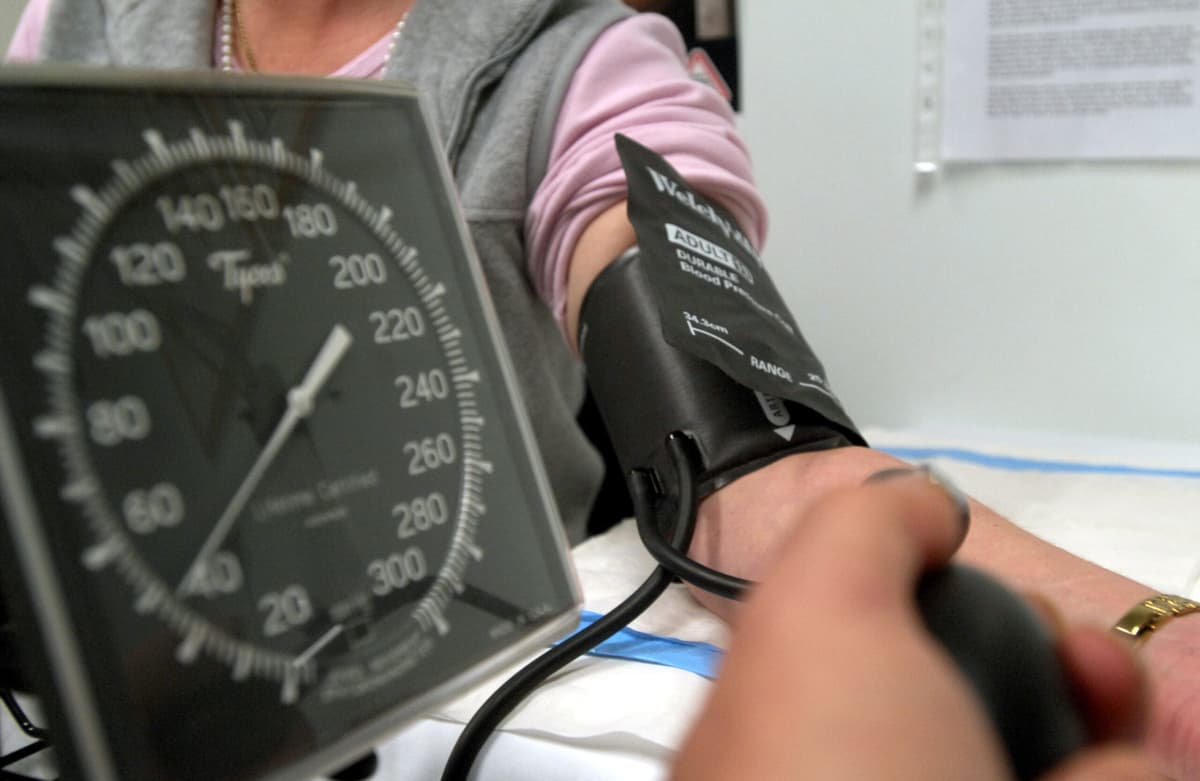
Australia has created a strange market for specialist care. Medicare helps pay for it. Governments subsidise it. Patients often need it. But, for much private specialist care, the final price is largely left to the provider – and patients are increasingly being priced out.

10 of 26 articles