

It is time to reform the religious exemptions in the Sex Discrimination Act
Most Australians do not realise that carve-outs exist in the Sex Discrimination Act or that in the present day, women are still losing their jobs for getting divorced.


Most Australians do not realise that carve-outs exist in the Sex Discrimination Act or that in the present day, women are still losing their jobs for getting divorced.
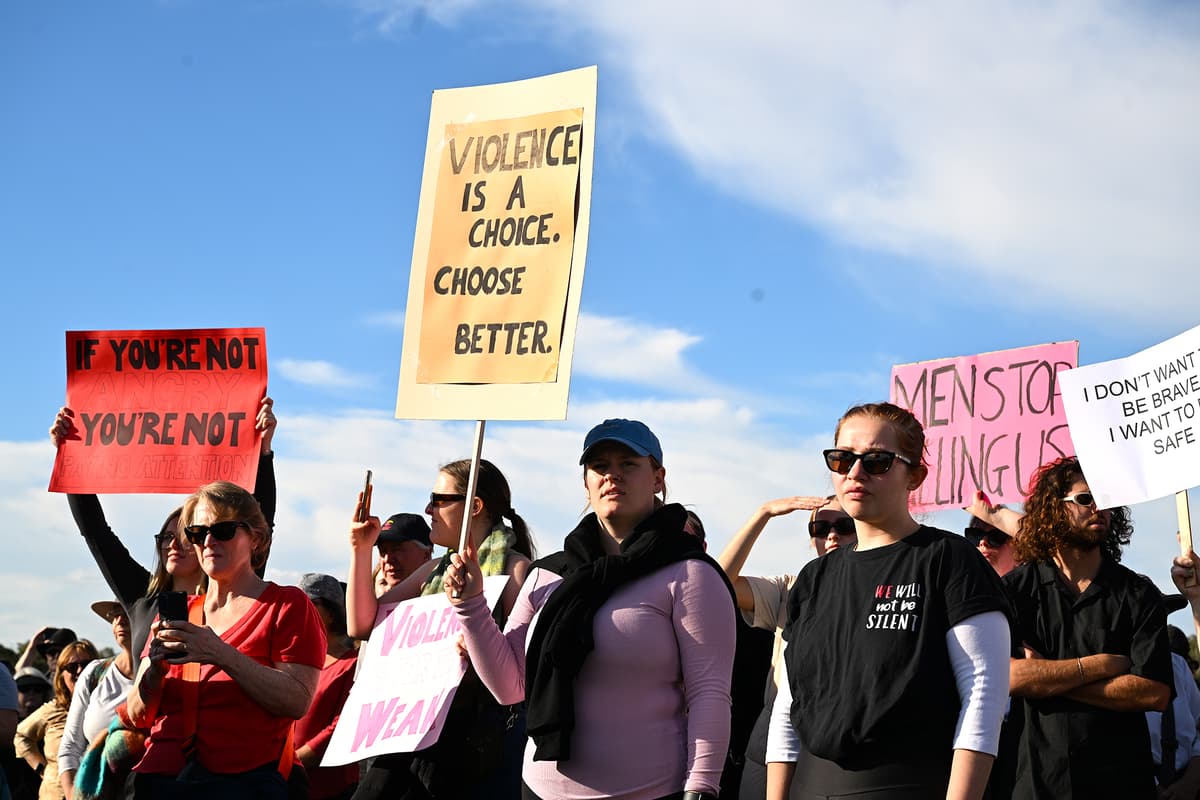
Today, the Domestic, Family and Sexual Violence Commission will table their yearly report to Parliament, detailing Australia’s rates of sexual and domestic violence. Spoiler: it’s not good news. While rates of femicide may have slowed, we are still seeing record rates of sexual violence being reported to police.
The gender pay gap starts early. Research suggests there are even differences in the amount of pocket money girls and boys receive from their parents. The gender gap in superannuation also starts young – girls under the age of 18 have, on average, barely more than half of the super that boys the same age have, despite being more likely to be engaged in paid work.

The Government has today announced it will spend $3.6 billion to extend the Early Childhood Education and Care (ECEC) Worker Retention Payment for a further two years. This means that workers in eligible childcare centres—and now in in-home care and family day care—will continue to receive a 15% pay rise while the Fair Work Commission works to implement a permanent wage increase.

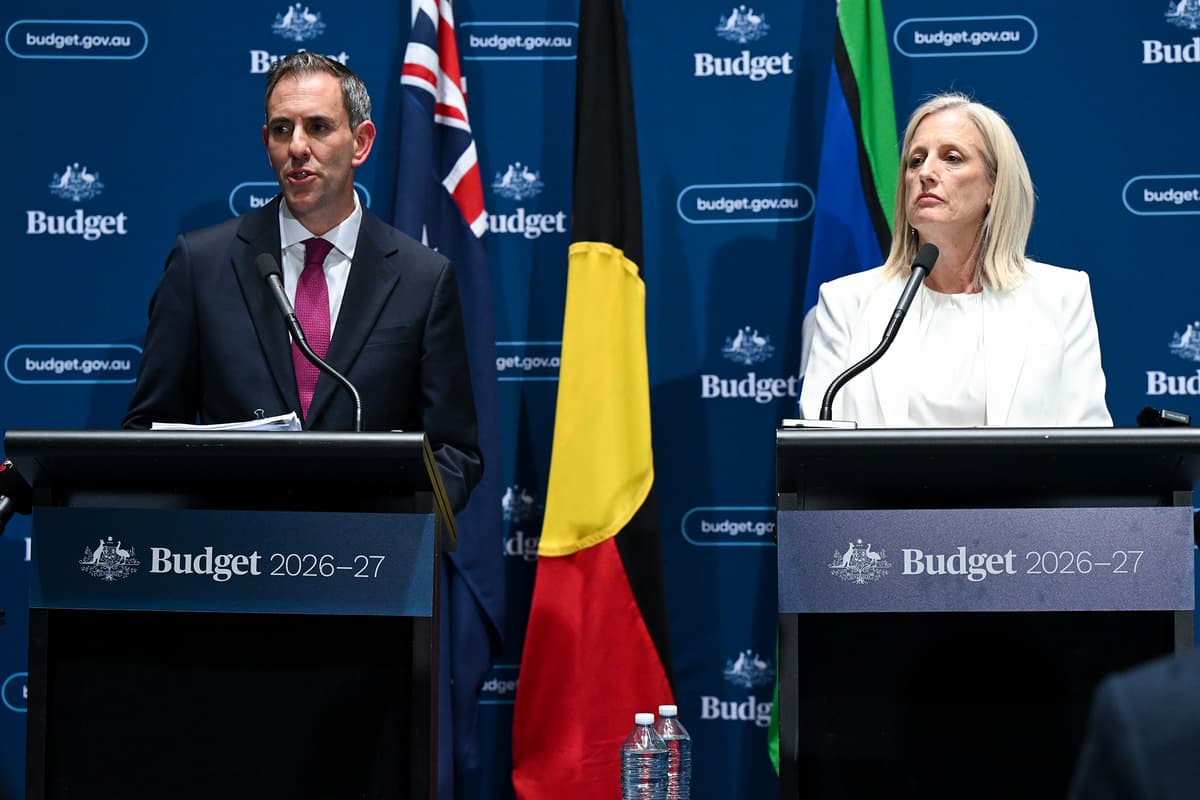
When it comes to tax, the Labor Government wants us to believe they have an appetite for reform. Since their election in 2022, they have restructured the Stage 3 tax cuts, increased the taxation of very large superannuation balances and raised the low-income tax offset threshold. Each of these progressive reforms have improved equality and women’s economic security. With this week’s budget, they have stayed on trend and announced significant reform to capital gains tax and negative gearing.
The Australian Government’s compassionate release of superannuation scheme, managed by the Australian Taxation Office (ATO), currently acts as a safety net for those on lower incomes who need financial assistance prior to retirement. Almost all applications for early release of super are made on medical grounds, and more than half of applicants are women. Despite a persistent retirement gender gap of approximately $52,000, women are more likely than men to rely on their superannuation to cover essential healthcare costs prior to retirement.

The Workplace Gender Equality Agency (WGEA) has released their gender pay gap data today and while we took a tiny step closer to pay equity, men are still almost twice as likely to be in the highest earning quartile – earning more than $220,000.

Budgets are about choices, and as the Federal Budget approaches in May, it’s a good time to ask who the Australian Government has in mind when they make their choices.

How much does an abortion cost in Australia? And why are these costs – for essential healthcare – paid by individuals rather than by our public health system?
