Who spent big in Canberra’s last election – and how proposed changes would hurt newcomers
Could big spending explain the success of the independents at the ACT election? New data from the ACT Electoral Commission shows this isn't the case.
The Government is proposing to make the FOI process lengthier, more expensive, and more secretive. These examples demonstrate why that's bad news.
Mon 27 Oct 2025 09.48 AEDT
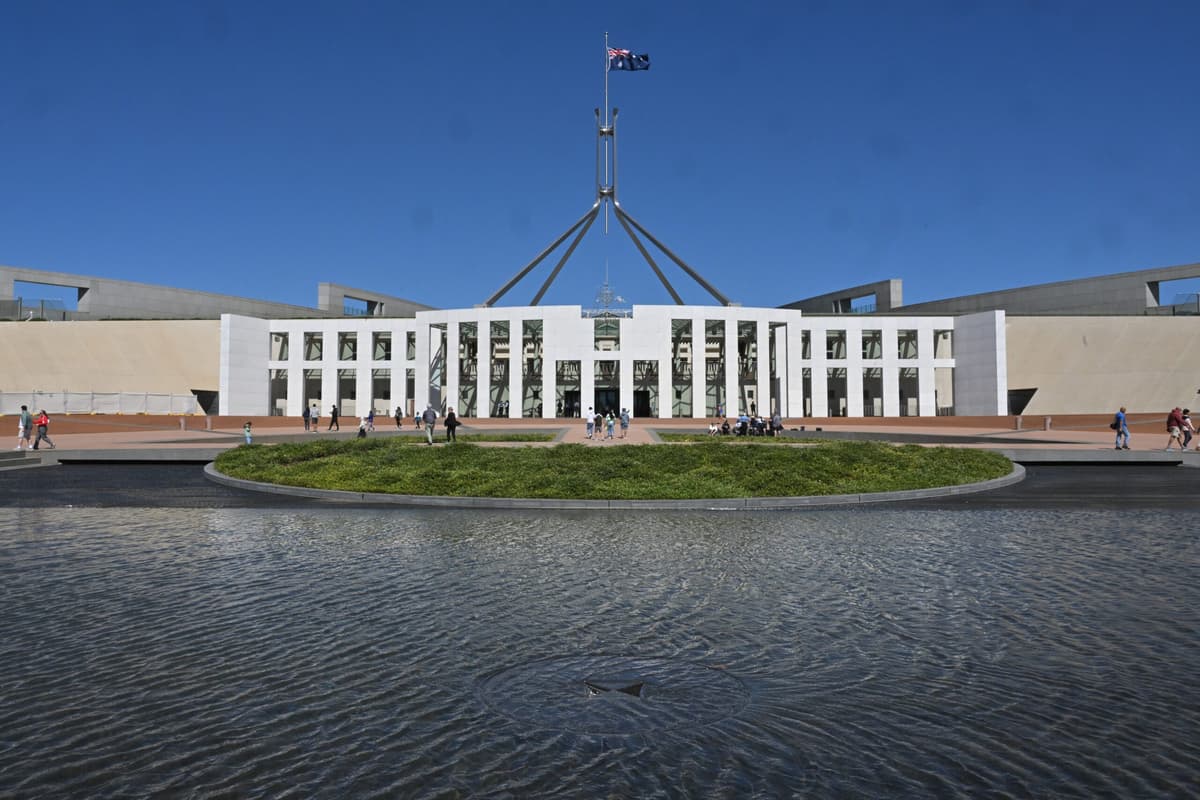
Photo: AAP Image/Mick Tsikas


Freedom of Information (FOI) requests allow journalists, researchers and all Australians to access government documents so that hidden information can be brought to light. The Albanese Government plans to make FOIs more limited, and more costly.
The FOI system is broken, but not because it reveals too much – quite the opposite. Departments twist the rules to avoid releasing information. It can take tribunal hearings and even court cases before applicants get the information they are entitled to.
A new report by the Australia Institute found that the Government’s proposed Freedom of Information Amendment Bill 2025 will only make these problems worse.
But why is this important? Because even with those challenges, FOIs have revealed invaluable information to the public.
Here are five times that FOIs shone a light on secretive government processes:
In 2020, documents obtained through FOI showed that Foxtel had been given “free rein to allocate millions of dollars of taxpayer money”. Then Sports Minister Richard Colbeck “personally intervened to block documents from his office about the controversial grant”. But the documents that were revealed still showed that the $10 million was given to Foxtel without a plan or details on what taxpayers would receive in exchange.
The Federal Government invested $1.5 billion in the NT’s Middle Arm energy hub in 2023. The project will enable gas fracking of the Beetaloo Basin and another 1.4 billion tonnes of emissions. But six months after the investment was announced, an FOI revealed the price would actually be $3.5 billion, more than double what taxpayers were told.
Five senior UTS executives spent over $140,000 on a trip to the United States months before the university prepared to axe 400 staff members. If not for an FOI request, the cost of the trip may have stayed secret.
In May, a scientist investigating the danger gas emissions posed to sacred rock art accused the WA Government of “unacceptable interference” into the report’s summary.
Publicly, the project’s lead scientist defended the Government, but emails obtained through FOI show that he too thought that the State Government had put a “very rosy spin” on his team’s results. That spin was intended to paper over the threat that gas development poses to the Murujuga’s ancient Aboriginal rock art. If not for FOI, the scale of the WA Government’s interference may have never been revealed.
In 2020 the Guardian revealed that Australia has issued nearly 100 permits to export weapons to countries accused of war crimes. These included the United Arab Emirates, Saudi Arabia, Sri Lanka, and the Democratic Republic of Congo.
The FOI confirmed the existence of the permits, but almost all other information was redacted. Those redactions mean the number and price of the weapons exported remain hidden from the public eye.
It is thanks to FOI that the public knows about these scandals. FOIs could bring more information to light if the Government committed to openness and transparency.
Instead, Labor is putting further barriers in the way of FOI requests. Their changes would charge applicants for each request and further restrict what documents can be made public. The changes would also allow departments to deny requests they think will take more than 40 hours to process, encouraging inefficiency and delays.
The Albanese Government already lags its predecessors on transparency. In the last year of the Howard Government, four in five FOI requests were granted in full. That’s now fallen to just one in five requests.
When it comes to government transparency, sunlight is the best disinfectant. It’s worrying that the Albanese Government wants to do their business in the shade.
Advertisement
Advertisement
Could big spending explain the success of the independents at the ACT election? New data from the ACT Electoral Commission shows this isn't the case.
The Australian Electoral Commission (AEC) has been urged to rethink plans that could shut or merge about one third of its divisional offices, with a union warning the loss of local expertise could disrupt future elections.