One of the more repeated claims since the announcement that the government would be halving the fuel excise for 3 months is that doing so will be inflationary.
But this is simply not the case.
Some economists and economics journalists suggest that because the government is effectively spending $2.55bn on households having cheaper petrol, this will “increase demand” in the economy.
“Demand” is basically the number of things being bought, or investments made – and the Reserve Bank of Australia (RBA) thinks that too much demand causes inflation, and so it raises interest rates to attempt to reduce the amount spent (because you can’t avoid paying your mortgage).
Given the RBA has suggested that too much demand is the reason why they increased interest rates in February and March, some economists, journalists, and the Liberal Party, are saying “Ahah! The government is spending $2.55bn which is going to increase demand, and therefore inflation will rise and so too will interest rates”.
But that is based on the standard “all other things being equal” logic, which economists love to use so much.
And right now, all things are decidedly not equal.
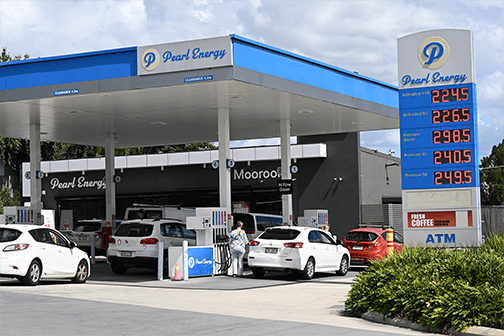
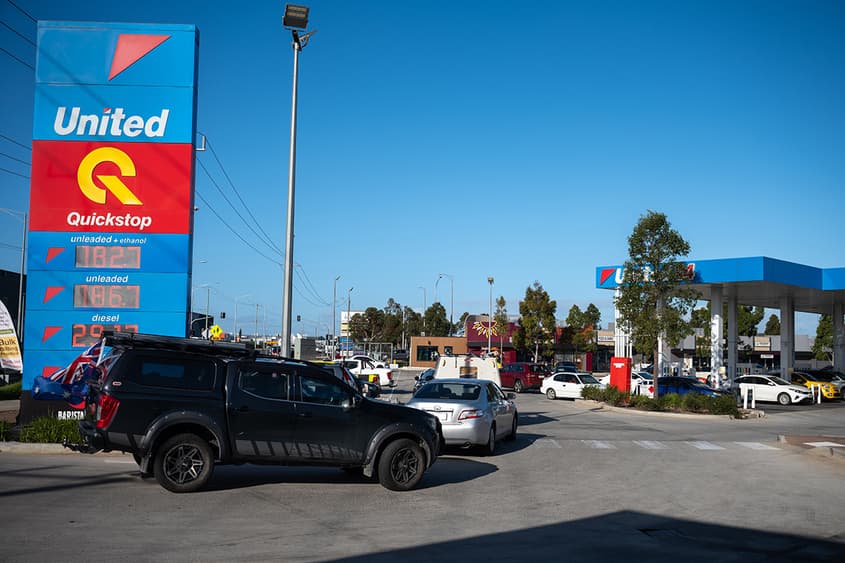
On 26 February, unleaded petrol in Australia was on average, roughly 189.3c/l. By the end of March, this had risen to 257.7c/l. So, a 68 cents per litre increase.
The halving of the fuel excise will reduce prices by 26.3c/l. The government has also announced that the states will forego increased GST revenue on fuel transactions – that will take off another 5.7c/l, making a total of 32c/l.
You don’t need advanced maths to know 68 is greater than 32.
This means the fuel excise will not increase demand but rather reduce the hit to demand that occurred due to the Iran War.
At best we are talking reducing March 31st prices to 225.7c/l.
If anyone back on March 26th had told you that by April 1st, petrol prices would rise 36c/l, no one would be thinking that households would be flush with cash and that there would be too much demand in the economy.
All this is doing, is partially alleviating the massive supply shock that has hit the economy; it is not going to cause Australians to feel like they got a big boost in their income. Those suggesting that the excise will mean the RBA will raise rates, need to stop thinking that all other things in the world and the economy, are equal.