The good news is that headline inflation went down to 3.8%, (from 4% last month) with the trimmed mean (the inflation rate with the most volatile bits removed) unchanged at 3.6%. Both of these were below what the market and the RBA were predicting.
Wed 29 Jul 2026 13.04 AEST
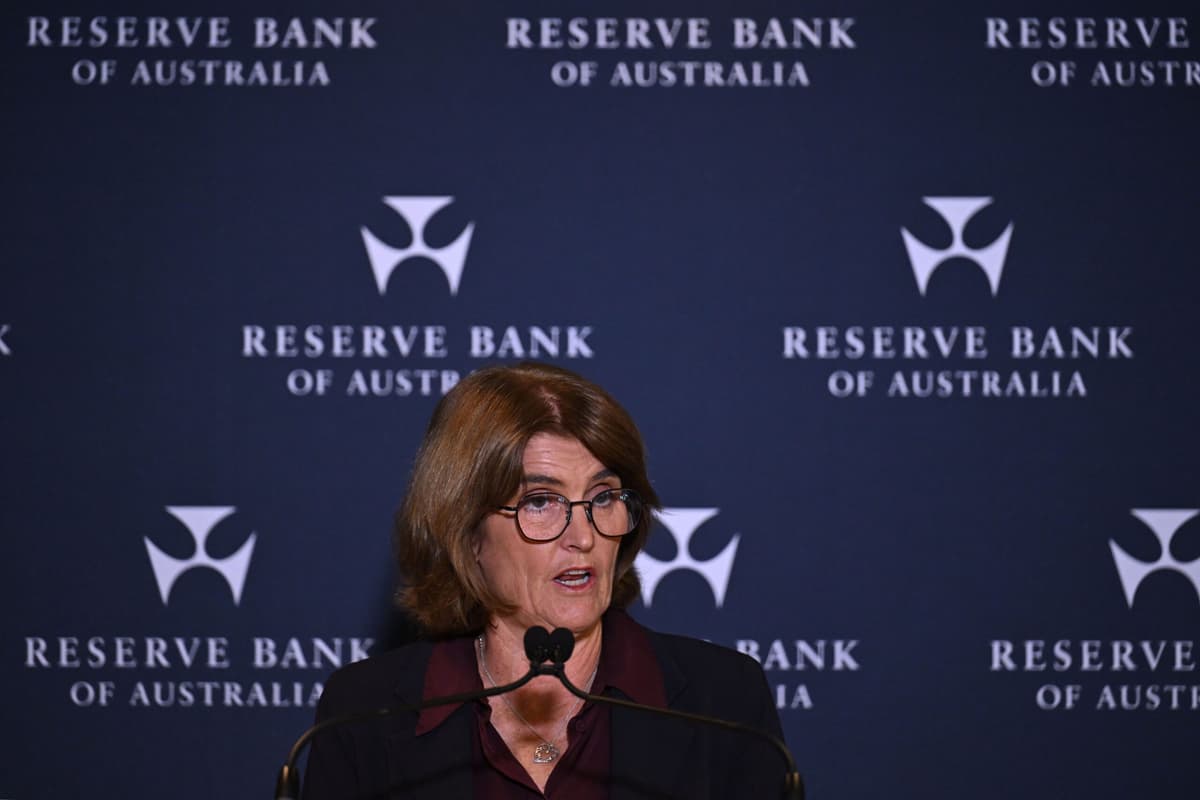
Photo: AAP Image/Dean Lewins


With lots of speculation about the Reserve Bank (RBA) increasing interest rates at its meeting next month, the release of this month’s inflation data was hotly anticipated.
The good news is that headline inflation went down to 3.8%, (from 4% last month) with the trimmed mean (the inflation rate with the most volatile bits removed) unchanged at 3.6%.
Both of these were below what the market and the RBA were predicting.
The drop was mainly caused by the fall in fuel prices in June. After they shot up in March, when the US and Isreal started bombing Iran, fuel prices have since gradually decreased each month.
They are now lower than they were before the war began. But it is important to remember that this data only runs up to the end of June. Since then, oil prices have jumped back up after the US and Iran commenced shooting at each other.
But all this highlights that the recent increase in inflation is being driven by international factors that Australia, and the RBA, have no control over.
The RBA increases interest rates when it wants to try and decrease inflation.
The release of the latest inflation figures have lowered the chance of a rate rise next month according to the money markets. It has fallen from a 21% chance to a 14% chance.
But a big note of caution, the markets have a very patchy history of getting these predictions right.
That said, it is clear that another interest rate increase is not necessary. Inflation is being driven by what is happening in the Middle East. No movement in Australian interest rates is going to change the world price of oil.
The biggest driver of inflation was from recreation and culture, because of higher prices in holiday travel and accommodation. Prices are up because it is peak season in the northern hemisphere.
The other contributor was the increase in the cost of housing. This was mainly driven by electricity prices, but this was again because of the drop off in government subsidies. This effect should start to disappear from the annual inflation figures from next month. The other driver was the cost of constructing a new home.
What has been interesting from these figures is that we have now had three months of inflation data since the war on Iran increased oil prices and there is still little evidence that higher fuel prices, particularly diesel prices, are flowing through to other parts of the economy.
All this should lead to the RBA keeping rates on hold at its meeting next month. But the RBA has been stubbornly resistant to the idea that they shouldn’t react to every movement in inflation driven by fuel price.
So, there is still lots of uncertainty on exactly what will happen. Hopefully the RBA will see reason and keep interest rates on hold.
Advertisement