

What is the Digital Duty of Care, and will it work?
Under the Digital Duty of Care, online platforms would have a duty to ensure Australians have a safe online environment, where they are “protected from seriously harmful material and conduct”.

A low-traffic website filled with AI-generated “news” is unremarkable. These kinds of websites now litter the internet, after all. But the Northern Beaches Buzz does stand out from the others in one important respect – it’s being subsidised by the Commonwealth Government.
Thu 19 Nov 2026 01.00 AEDT
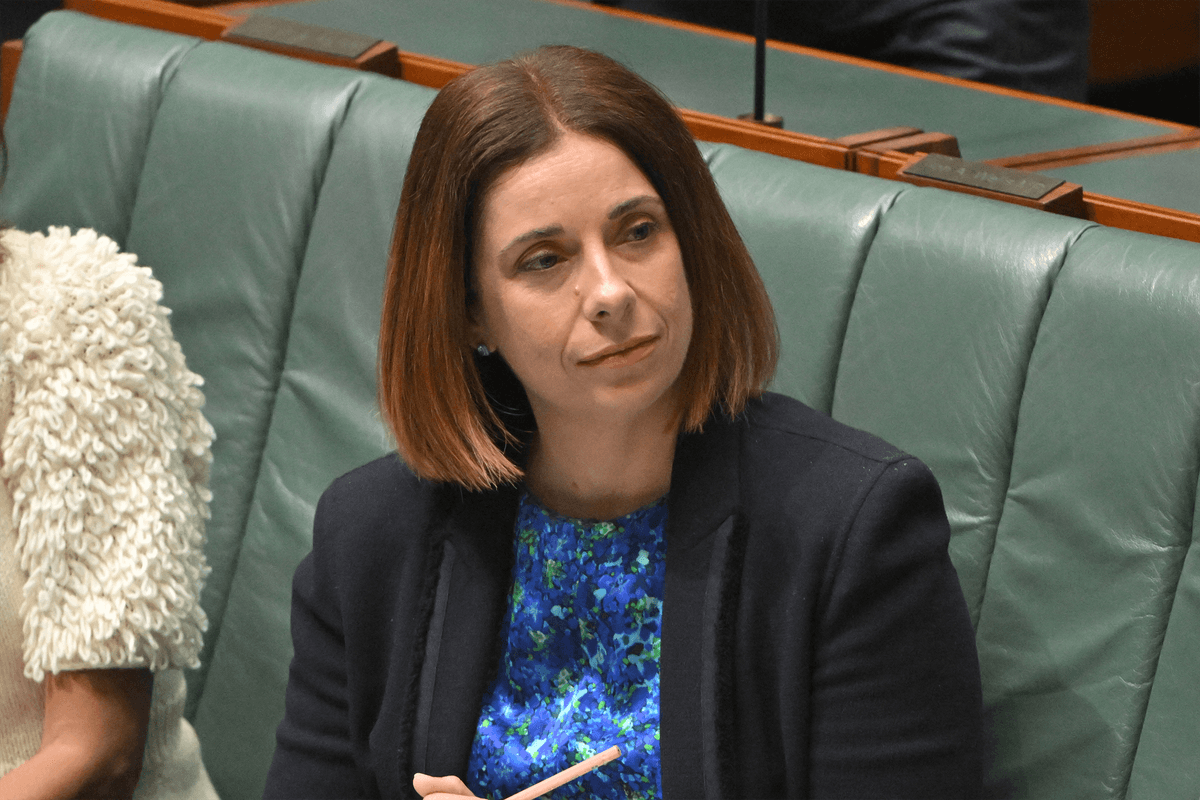
Photo: AAP Image/Mick Tsikas


Under the Digital Duty of Care, online platforms would have a duty to ensure Australians have a safe online environment, where they are “protected from seriously harmful material and conduct”.
Labor needs to offer more than universal childcare if it wants to increase the fertility rate and address the motherhood penalty—parents are overworked, burnt out, and want more time for what matters.
According to its website, Northern Beaches Buzz is a “local digital publication focused on the people, issues, businesses and events that shape life across Sydney’s Northern Beaches.”
The vast majority of its articles are credited to a single author, Aiden, who publishes at least once a day. That would be an impressive pace, but for one detail. Aiden is the publication’s “AI News Editor”.
Almost all photos, headlines and stories have seemingly been generated or scraped using AI tools. In the six months since its soft launch, the Buzz has found much of an audience online – with most articles having only 10-20 views.
A low-traffic website filled with AI-generated “news” is unremarkable. These kinds of websites now litter the internet, after all.
But the Northern Beaches Buzz does stand out from the others in one important respect – it’s being subsidised by the Commonwealth Government.
Minister for Communications Annika Wells announced the recipients of the $31.5 million News Innovation Fund grant program in early November, saying “we need more people telling Australian stories, which is why the Albanese Government is backing a strong and sustainable media sector”.
Some of the biggest recipients, including the Community Broadcasting Association and National Indigenous Times, received millions in grant funding.
But the list of 54 organisations also included far smaller recipients, including $50,000 for Lee Robson. Applications for the News Innovation Fund opened on 22 April 2026. Robson registered Northern Beaches Buzz as a business name six days later, on the 28th.
Notably absent from the list of recipients were many independent media outlets that applied. Ette Media and Lamestream both applied to the fund, but were told they were ineligible because their “primary purpose did not involve eligible core news content”.
Since their grant application was successful, we can conclude that The Northern Beaches Buzz meets the Commonwealth’s definition of core news content – even though the vast majority of its stories are AI-generated.
Quality research, analysis, explainers and factchecks from experts you can trust.
The Buzz also appears to scrape news stories from genuine local news outlets.
On 5 November, the independent, “hyperlocal” Manly Observer published a story on bus drivers beginning indefinite industrial action across the Northern Beaches. Five days later, the Northern Beaches Buzz’s AI News Editor Aiden covered the same story.
The Observer contacted Keolis – which runs Northern Beaches bus services – and received a statement that the company was “continuing to assess the operational impacts of the industrial action”. The statement does not appear anywhere else on the internet.
The Buzz’s story reports, without mentioning the Observer, that Keolis “said it was still assessing the operational effects of the bans”.
The News Innovation Fund is part of a bundle of programs described by the Department of Communications as “supporting public interest journalism and media diversity in Australia”.
Small, independent news outlets like the Manly Observer are a key part of coverage of local public interest stories, and the presence of their voices can be the only thing preserving media diversity in some communities.
AI-generated sites that scrape those outlets for news stories can compete with them for search results, subscriptions, donations and advertising.
Government funding programs can be a lifeline for local and community news, something that’s increasingly important as media conglomerates grow ever-more dominant over Australia’s news ecosystem.
But this grant is not such a lifeline. The best-case scenario is that $50,000 of Commonwealth money has been thrown away on an unpopular AI slop site that never gets off the ground. But $50,000 is a significant amount of money for promoting a small news organisation, and if it does help the Buzz get off the ground, it risks starving the Northern Beaches of genuine local journalism.