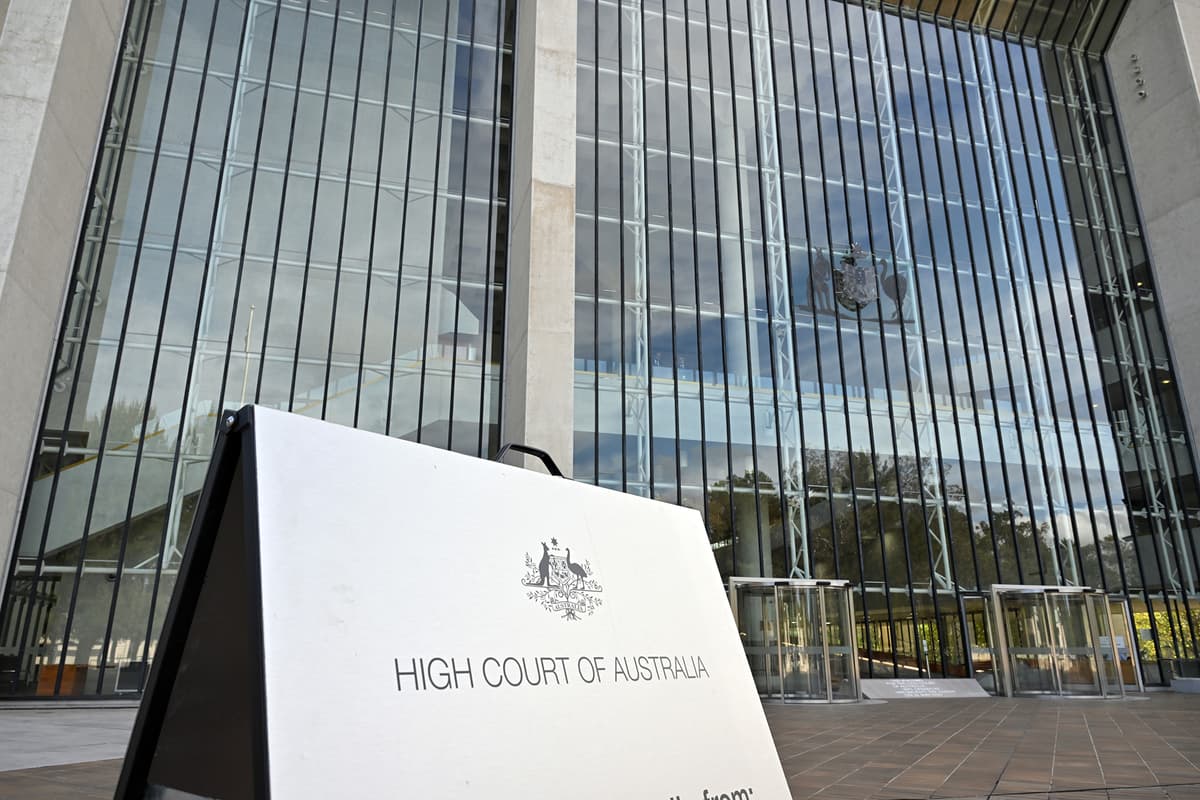
Recently, the High Court ruled in favour of a NSW community group opposed to a large coal mine in the Hunter Valley.
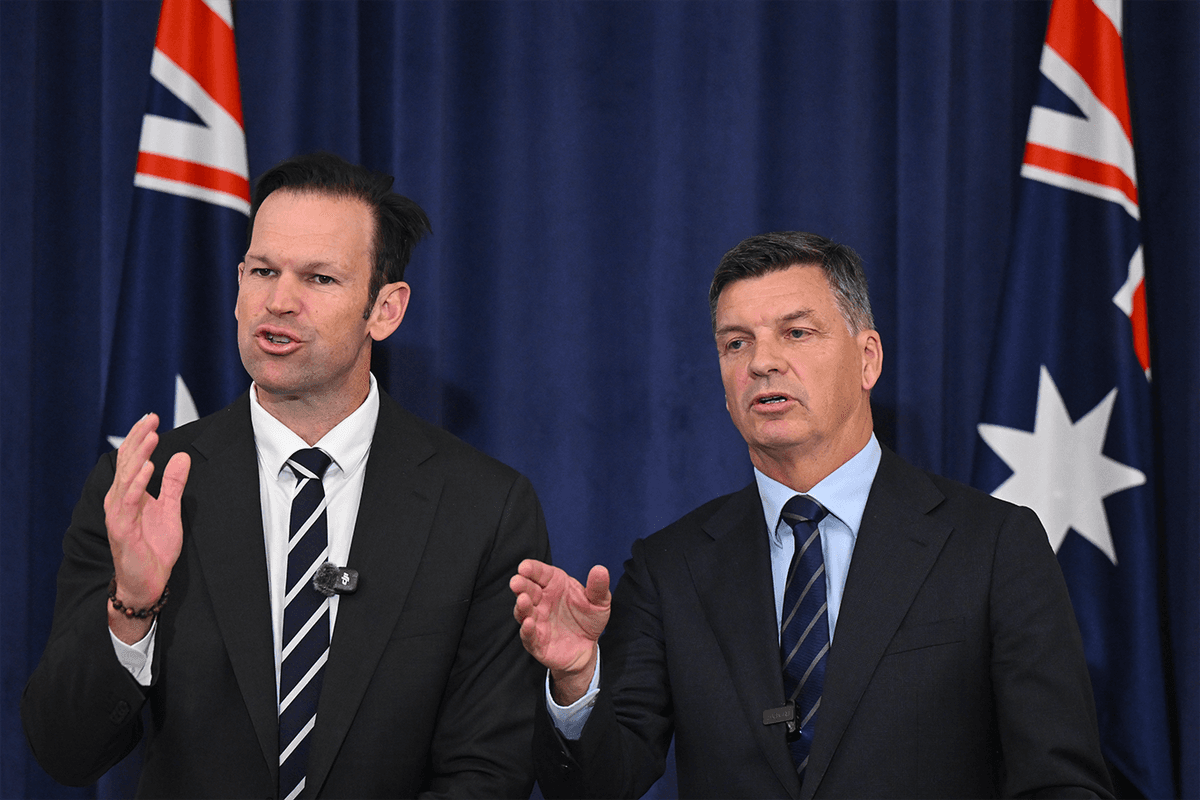
Angus Taylor and Matt Canavan, the leaders of the Liberal and National Parties, responded with a press release promising to change climate and planning laws to prevent such judgements in the future.
Claim:
In the press release, they claimed:
If Australia cannot export our resources, our partners will simply look elsewhere.
Shutting down our mining projects…makes not one degree of difference
Taylor and Canavan’s claim that stopping Australian coal mines makes no difference is contradicted by recent examples.
Over the last decade, three major South Korean-backed coal mines were stopped in NSW – POSCO’s Hume Coal mine (in Angus Taylor’s electorate), Kores’ Wallarah 2 mine on the NSW Central Coast, and KEPCO’s Bylong Mine that was sensationally rejected by the NSW Independent Planning Commission (IPC) in 2019.
All three mines were defeated by local community opposition, and South Korea did not simply “look elsewhere” for coal.
The rejection of Bylong in particular helped Korean investors in their bid to “not further embed coal in the Korean economy” and then for KEPCO’s commitment to phase out coal.
Get our newsletter
Quality research, analysis, explainers and factchecks from experts you can trust.
The coal phase out commitment by South Korea’s largest power company, which is part-owned by the South Korean Government, contributed to the nation committing first to phasing out coal-fired power by 2050, and then bringing that phase out forward by ten years. This week, South Korea has announced a major expansion of renewable energy.
Stopping NSW coal mines helped South Korea reduce its use of coal.
Taylor and Canavan are simply restating one of the most pervasive lies in Australian public debate: if we don’t dig it up, someone else will. If Australia doesn’t dig up huge amounts of coal, gas and oil, some other country will do it instead, so we might as well mine as much as we can.
While it may have a basic logic to it at first glance, the idea that stopping a mine in the Hunter Valley makes no difference is contrary to basic economics. NSW is a globally significant coal supplier, and less coal coming out of the state will increase coal prices and some buyers will choose not to buy coal at all.
The current Middle East wars are demonstrating daily that reducing the supply of fossil fuels increases their price. This is driving increases in renewable energy investment.
The effect of reducing coal supply from NSW is not as dramatic as rapidly closing the Strait of Hormuz, but it pushes in the same direction – it increases prices and reduces demand.
So while some trading partners may buy coal from elsewhere when Australia shuts down coal mines, South Korea did not. Neither will some buyers who are weighing up longer term investments and have the option to go renewable.
Taylor and Canavan are wrong to suggest that shutting down Australian coal mines makes no difference.
Verdict: Not true