A genuine improvement for households facing very limited options becomes a sales pitch for continued fossil gas use everywhere. ‘Cleaner than burning animal dung’ is a very low bar for a climate solution.
Wed 11 Nov 2026 16.08 AEDT
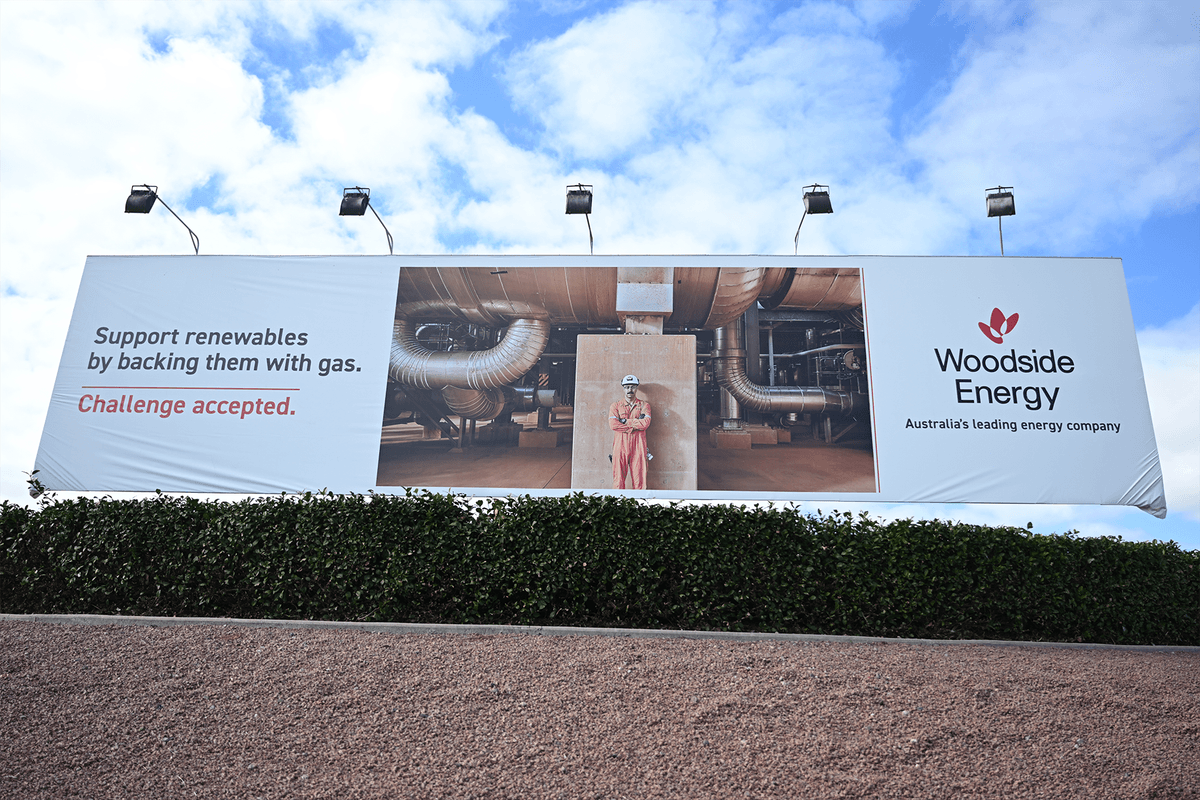
Photo: AAP Image/Lukas Coch


With the UN climate summit COP31 underway, the gas industry has been trying to convince the world that burning more gas is part of the solution to climate change.
In a joint statement issued ahead of the summit, Gas Energy Australia and its international counterparts claim that liquefied petroleum gas (LPG) and renewable liquid gas can “support climate action” and deliver a “cleaner, more resilient and inclusive energy future”.
The pitch leans heavily on countries where households cook over wood, charcoal or even animal dung.
Let’s start with what happens when gas burns.
A Stanford University study found that propane (a main component of LPG) and natural gas stoves release benzene, a known carcinogen. In some homes, concentrations exceeded health-based benchmarks.
Research published in the Australian Journal of General Practice estimates that gas stoves account for around 12% of childhood asthma in Australia. This estimate largely concerns natural gas rather than LPG, but both produce harmful combustion pollutants.
The problems aren’t confined to the kitchen. In Darwin, INPEX acknowledged under-reporting benzene emissions from its LNG plant by a factor of 100. An NT regulator review found community exposures below health-based guidelines. This was an LNG facility, not an LPG stove, but a reminder nevertheless that the gas industry generates toxic pollution.
The World Health Organization recognises LPG as a cleaner cooking fuel at the point of use. Switching from animal dung, wood, charcoal or kerosene can indeed reduce exposure to smoke. That’s less worse from a health perspective – but only where cleaner alternatives remain unavailable or unaffordable.
Quality research, analysis, explainers and factchecks from experts you can trust.
A North Carolina State University-led study modelled cooking-fuel transitions in 77 low- and middle-income countries. Compared with business as usual, a complete switch to LPG would reduce cumulative greenhouse gas emissions by 17% to 2040. However, switching entirely to electricity would reduce them by 47% – even when fossil fuels are included in the mix.
But the broader point is that these are specific gains from replacing exceptionally polluting cooking fuels. They’re not evidence that expanding fossil gas use in countries such as Australia is a sound climate strategy.
Reading the industry statement, one could be excused for forgetting that LPG is a fossil fuel.
LPG is produced from natural gas processing and petroleum refining. Burning each litre emits around 1.56 kilograms of CO₂-equivalent, according to the Australian Government’s 2026 National Greenhouse Accounts Factors. That excludes emissions from producing and supplying the fuel.
The industry invokes “renewable liquid gas” but provides no figures for how much is produced, its market share or the emissions savings being achieved. It moves seamlessly from African cooking fires to Turkish cars and Australian barbecues, as though the climate case were the same for all three.
And that’s the trick. A genuine improvement for households facing very limited options becomes a sales pitch for continued fossil gas use everywhere.
‘Cleaner than burning animal dung’ is a very low bar for a climate solution.
Verdict: Misleading

