Advanced search
The Point - home
DonateSubscribe
HomeWhat's NewOpinionOff the ChartsExplainersFactcheckAbout Us
The Point — home
DonateSubscribe
The Point — home
Advanced search
  • Home
  • What's New
  • Opinion
  • Off the Charts
  • Explainers
  • Factcheck
  • About Us
DonateSubscribe
Subscribe
  • Home
  • What's New
  • Opinion
  • Off the Charts
  • Explainers
  • Factcheck
  • About Us
The Point - home
Privacy PolicySitemapComplaints & CorrectionsNewsletter

The Point recognises the ancestral connections and custodianship of Traditional Owners throughout Australia. We pay respect to Aboriginal and Torres Strait Islander cultures and to Elders past and present.

©2025–2026 The Point, an initiative of The Australia Institute

WHAT'S NEW

The Chief Executive of the NACC apologises for giving inaccurate testimony

This follows a series of scandals in the National Anti-Corruption Commission’s upper management.

By Skye Predavec

Thu 27 Nov 2025 11.42 AEDT

Democracy & Accountability
The Chief Executive of the NACC apologises for giving inaccurate testimony

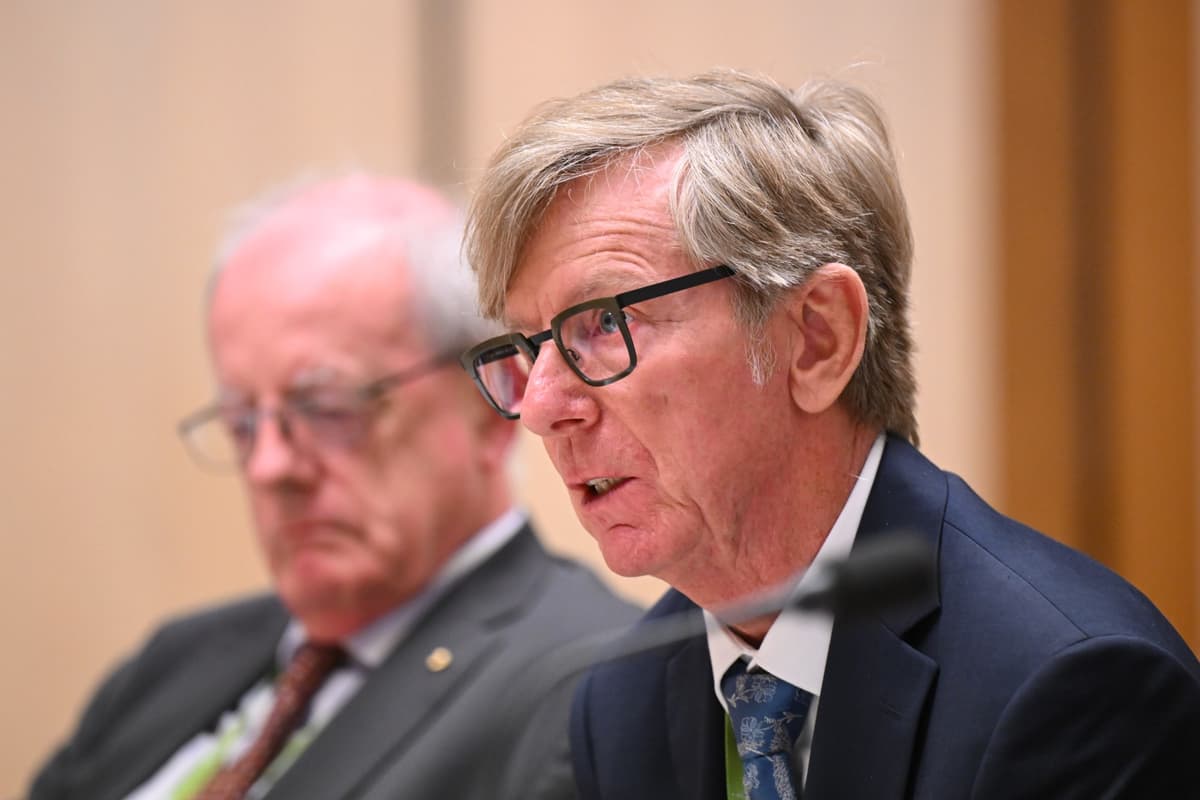
CEO of the National Anti-Corruption Commission (NACC) Philip Reed speaks during inquiry | Photo: AAP Image/Lukas Coch

Republish this article

This article is licensed under Creative Commons — Attribution-NoDerivatives 4.0 International (CC BY-ND 4.0).

Republishing guidelines

  • You must credit the author(s) and The Point.
  • You must link back to the original article.
  • You may not edit or modify the article content.
  • Images may be subject to separate copyright and are not included in this licence.

The chief executive of Australia’s National Anti-Corruption Commission (NACC), Philip Reed, has written a letter to parliament apologising for giving inaccurate testimony to Senate Estimates.

This follows a series of scandals in the NACC’s upper management, including September’s revelation that chief commissioner Paul Brereton had continued to consult for his previous employer (the Inspector-General of the Australian Defence Force). That’s despite his $800,000 a year salary from the NACC.

In October, the NACC’s inspector also found that Mr. Brereton had engaged in misconduct by not recusing himself from the decision-making process on an investigation into the Robodebt scheme, despite declaring a “close association” with a person involved.

Despite the NACC being established less than three years ago, a steady flow of questionable decisions and scandals has eroded public confidence in its operations.

The Australia Institute, which campaigned for a decade to introduce a federal integrity commission, recommends five changes to make the NACC more effective and rebuild public confidence:

  1. Bring forward the statutory review of the NACC
    • A statutory review is scheduled to take place in three years. This review should be brought forward and initiated now.
  2. Allow public hearings whenever it is in the public interest to do so.
  3. Implement a Whistleblower Protection Authority.
  4. Ensure the Parliamentary Committee which oversees the NACC is not controlled by the government of the day.
  5. Broaden the powers of the NACC Inspector.

The NACC urgently needs to correct course, and implementing those recommendations would ensure it does so before going too far adrift.

In the meantime, Mr. Reed will face Senate Estimates again next week, and he’ll surely have to answer questions as to how and why he gave inaccurate testimony last time.


Related Articles

OPINION

What kind of country are we creating? We should take a good, hard look

By Amy Remeikis

What kind of country are we creating? That was the question independent senator David Pocock asked his Senate colleagues in a vain attempt to sway the major parties to vote against autocratic and sweeping defence laws he said were “a war against Australians”.

Democracy & Accountability
What kind of country are we creating? We should take a good, hard look

OPINION

Big Tech: The industry that profits on rage, hate and violence

By Josh Bornstein

From time to time, the Canberra bubble bursts and we get to see politicians who are real and share our vulnerability and humanity. Australia’s politicians are increasingly facing death threats and other expressions of frightening anger. They are scared and they are not alone.

Democracy & AccountabilityArtificial Intelligence
Big Tech: The industry that profits on rage, hate and violence

WHAT'S NEW

Labor can't wait for an electoral collapse to find its courage: Ed Husic

By Amy Remeikis

Ed Husic isn’t much for keeping quiet these days. The Labor firebrand and former minister has made a name for himself since being booted from the ministry following the Albanese government’s re-election in May 2025, in what his supporters say was punishment for internal, and in some cases, external rabble rousing on issues like Gaza and the direction of AI policy.

Democracy & Accountability
Labor can't wait for an electoral collapse to find its courage: Ed Husic

WHAT'S NEW

NSW heads towards election without laws against misleading political ads

By Tegan George

New South Wales voters appear to be heading to the polls next year without laws prohibiting misleading claims in political advertising. An e-petition, signed by more than 31,500 people, recently triggered parliamentary debate, but neither the Labor Government nor Coalition Opposition committed to introducing the proposed legislation.

Democracy & Accountability
NSW heads towards election without laws against misleading political ads