

From pilot to powerhouse: expanding WA’s sustainable bond market
Now a staple of global finance, GSS bonds offer a powerful mechanism to fund pressing environmental and social initiatives that lie outside traditional government budgets.

Combined with the 50 basis points rise in February and March in less than 2 months households are paying the equivalent of a 90 basis point rise in interest rates.
By Greg Jericho
Thu 26 Mar 2026 15.19 AEDT
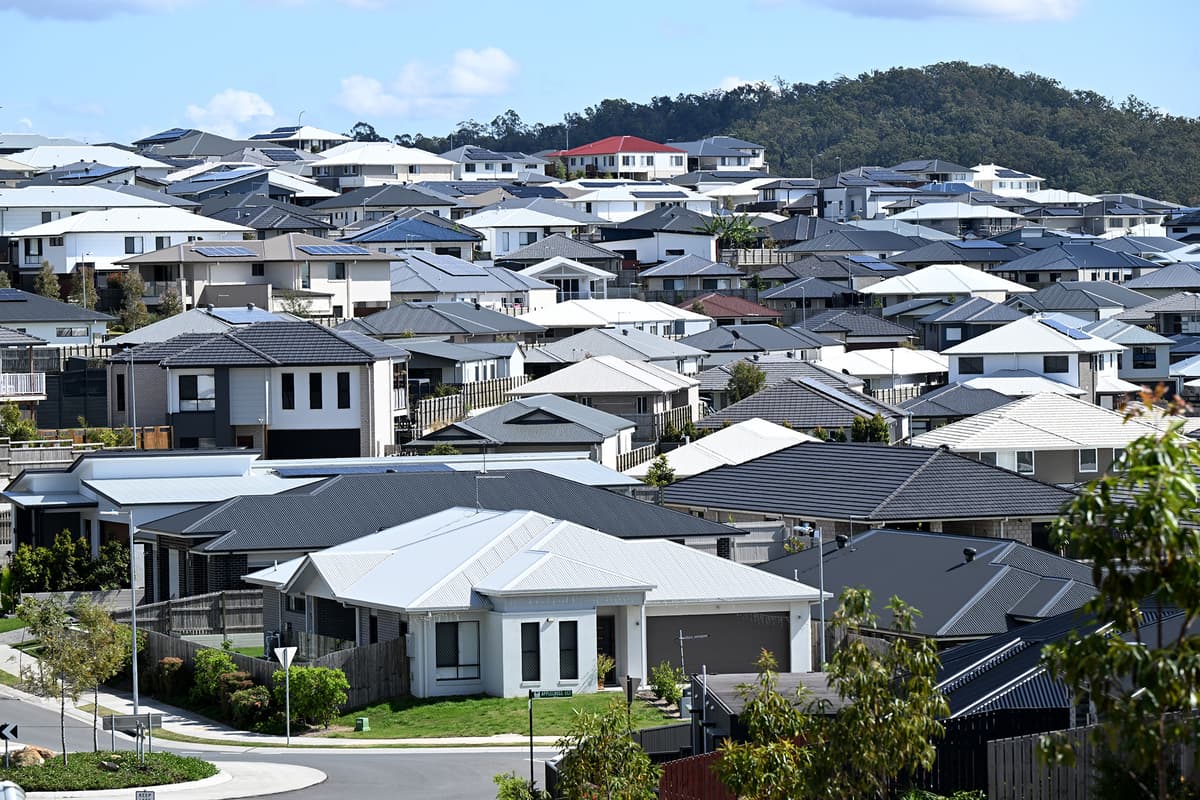
Photo: AAP Image/Darren England


The petrol price figures from yesterday now show that unleaded prices have risen 31% since the Iran War began – up some 59.5 cent per litre.
Earlier last week, senior research fellow at the Australia Institute, David Richardson calculated the impact of petrol price rises compared to the cost of a 25 basis points interest rate rise. Last Friday we estimated it at roughly the same cost.
Now the increase in petrol prices is costing Australians around $784 million – i.e. that’s how much extra we’re paying for fuel. By comparison the cost of a rate rise is just $495m
So the cost of the petrol price rises so far is equivalent to 1.6 times the rate rise or a 40 basis points rates rise.
Combined with the 50 basis points rise in February and March in less than 2 months households are paying the equivalent of a 90 basis point rise in interest rates.
That. Is. Brutal.
Advertisement
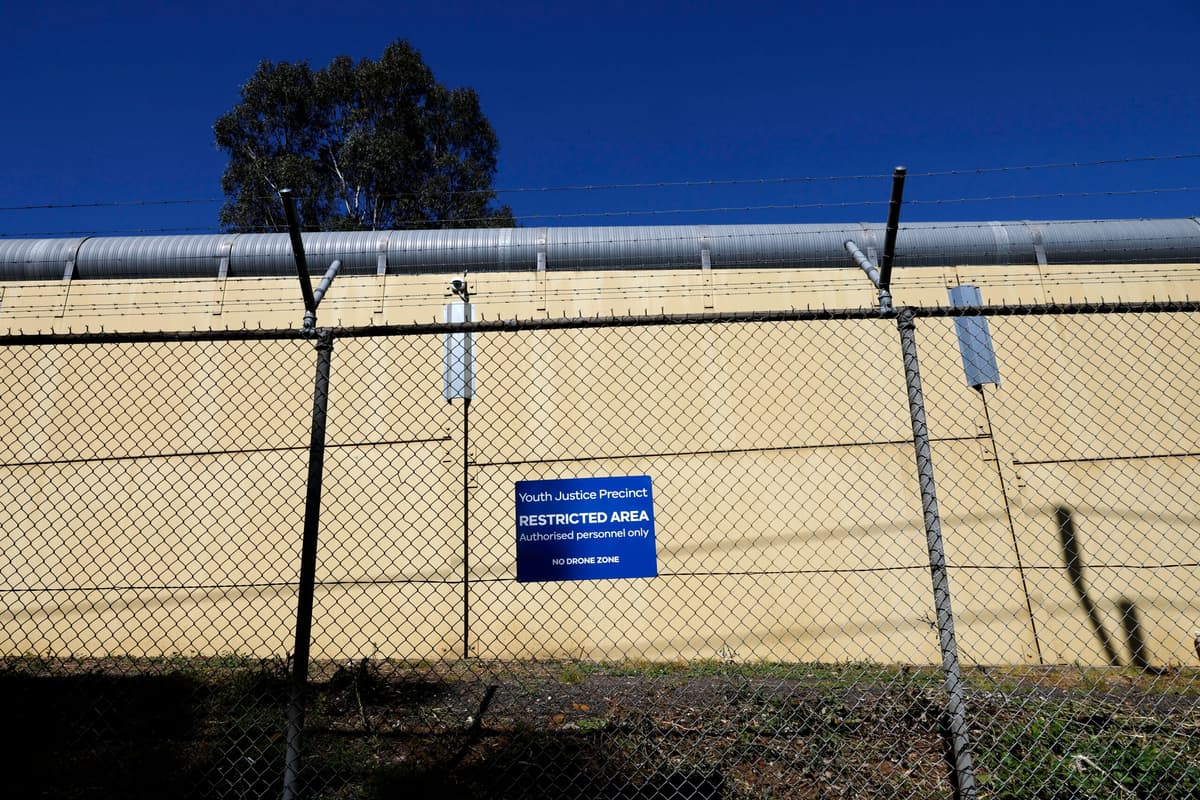
The Victorian Premier’s announcement of mandatory court-ordered rehabilitation for young people found guilty of low-level offences such as theft, vandalism, property damage and minor assaults isn’t entirely without merit. But the money could be better spent than on youth prison. Those of us working in youth and community services know that lasting reductions in crime come from prevention.
Now a staple of global finance, GSS bonds offer a powerful mechanism to fund pressing environmental and social initiatives that lie outside traditional government budgets.