Australia’s flagship climate policy is failing to reduce actual emissions because major polluters are relying on unlimited carbon offsets, according to new research.
The Australia Institute report argues Labor’s Safeguard Mechanism has failed to drive reductions in gross emissions from Australia’s largest industrial facilities.
Instead, it says the scheme allows some companies to increase pollution while still claiming progress on climate action.
“The Safeguard Mechanism is so poorly designed that you can drive an enormous diesel-fuelled haulage truck through it,” Australia Institute co-CEO Richard Denniss said.
“The policy was supposed to make our biggest polluters pollute less. That is simply not happening.”
The findings come as the Albanese government prepares to review the scheme, which covers around 200 of Australia’s biggest industrial emitters and accounts for about 30 per cent of the nation’s greenhouse gas emissions.
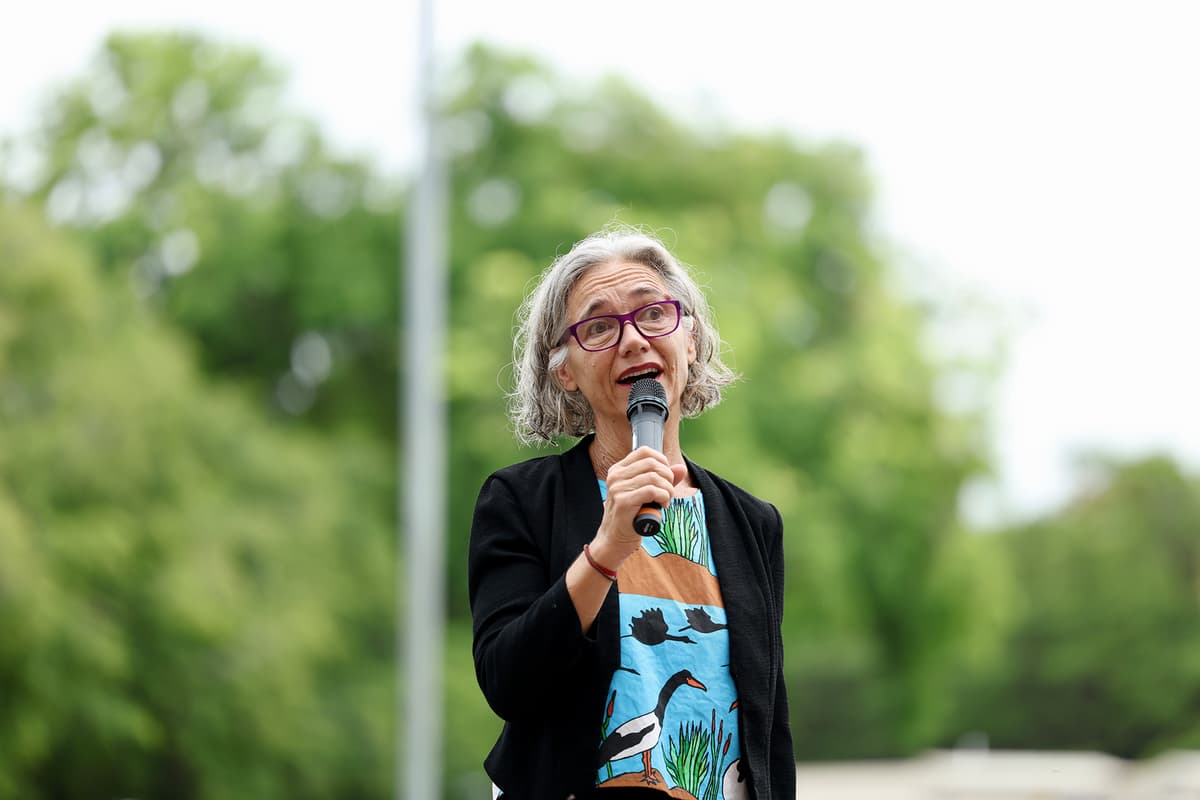
Independent MP Dr Sophie Scamps said the policy had become a “monumental smokescreen” that was allowing major polluters to continue increasing emissions.
“We know that many of those offset systems are deeply flawed,” she said.
“It’s time we really look at the offset system and see whether it is actually doing what we need this policy to do, and that is reduce our climate pollution emissions.”
The report warns the scheme’s biggest flaw is its unlimited use of carbon offsets, which allow facilities to purchase credits rather than reduce their own pollution.
Worse still, some of the polluters regulated by the scheme can generate credits despite increasing their emissions, and sell these to other polluters as offsets for their emissions. According to the Australian Financial Review (AFR), the loophole has allowed Shell’s Prelude offshore gas facility in Western Australia to earn more than $90 million in carbon credits in the last two years even though it increased its total emissions over the same period.
While the government highlights the reductions in ‘net emissions’ driven by the scheme, the report argues the figures rely heavily on carbon offsets “that are not a substitute for genuine emissions reduction”.
While gross emissions fell by 2.3 per cent in the last financial year (2024–25), the Climate Change Authority noted this decline was mainly due to facility closures, temporary shutdowns, and production fluctuations unrelated to decarbonisation.
“While millions of Australian homes and businesses are doing the right thing, installing solar panels and batteries, and buying EVs, many of our biggest polluters are using dodgy offsets to pollute more than ever,” Dr Denniss said.
Report author Dr Fergus Green noted Australia had become a ‘global outlier’ by allowing unlimited offset use under the scheme.
“Australia is one of a small handful of jurisdictions, including Kazakhstan, that allow polluters to pollute as much as they want, and then purchase an unlimited amount of offsets to meet their obligations,” he wrote.
The report found fossil fuel companies were the biggest users of offsets under the Safeguard Mechanism, with research showing they account for more than two-thirds of offset use.
“Offsets have been scientifically discredited,” Dr Green told reporters at a Parliament House press conference.
“Because offsets are dodgy, they’re cheap, and that is why so many companies are choosing to use offsets rather than reduce their own emissions,” he said.
“So, it seems that the Safeguard Mechanism is really safeguarding the fossil fuel industry’s expansion plans.”
While the Albanese Government campaigned on climate action during the 2025 federal election, it’s faced sharp criticism for continuing to sign off on fossil fuel developments.
The Climate Council says since coming to power, the government has approved 36 new, expanded or extended coal and gas projects.
The Australia Institute report argues those approvals, combined with unlimited offsetting, have allowed the Safeguard Mechanism to support fossil fuel expansion rather than drive industrial decarbonisation.
Crossbench MPs have called for stronger restrictions on offset use and tougher emissions limits.
Independent MP Nicolette Boele said the scheme lacked meaningful emissions caps and failed to provide strong incentives for companies to invest in cleaner technologies.
“This is a real opportunity to change things up,” she said.
“We’re not sending the right signals for those polluters to retool and to make sure that they are, systematically in the future, able to be competitive internationally with clean, electric, and the best possible equipment and factories that make them competitive.”
Independent MP Andrew Wilkie said the findings should be a “clarion call” for the government to tighten the rules governing carbon offsets and strengthen Australia’s climate policies.
“It’s no good having a law that can be so easily rorted,” he said.
“There clearly needs to be a much tighter, much tougher regulatory framework that ensures that if offsets are allowed, they are fair dinkum and not some claim to some dodgy tree plantation in some corner of the world.”
The Australia Institute is calling on the government to use the upcoming review to reform the Safeguard Mechanism so that major polluters are required to reduce actual greenhouse gas emissions rather than rely on offsets.
“We saw recently that BHP had cancelled plans, cancelled plans to decarbonise, cancelled plans to electrify, because under the Safeguard Mechanism the easy thing for BHP to do was simply to buy dodgy carbon offsets,” said Dr Denniss.
“If Australia is to decarbonise and remain competitive, Australia needs policies and incentives in place to get actual polluters to reduce their actual pollution.
“This is state-sponsored greenwash. If we don’t reduce actual emissions, we can’t actually reduce climate change.”