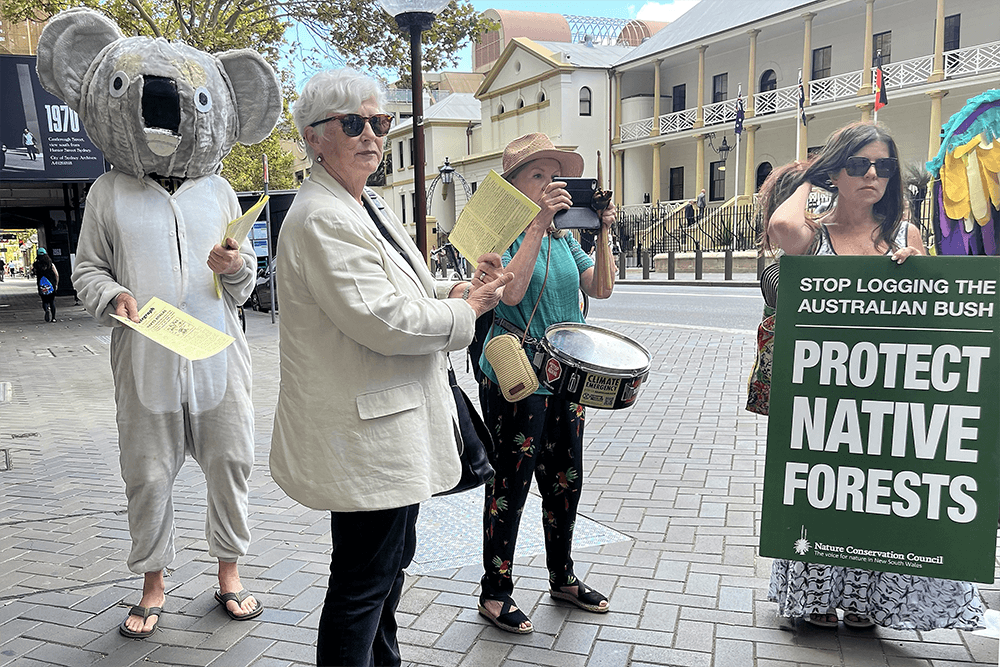
Australia’s biggest conservation organisations have united behind a call to end native forest logging, arguing governments should protect forests for their environmental value rather than use them to offset fossil fuel emissions.
The Australian Conservation Foundation, the Bob Brown Foundation, The Wilderness Society and Wilderness Australia have joined more than 50 conservation groups in challenging the use of native forests in Australia’s carbon market.
The campaign also comes weeks after the Albanese Government introduced the Improved Native Forest Management carbon credit method, which allows states to earn Australian Carbon Credit Units (ACCUs) by permanently ending planned logging in eligible public native forests.
The credits can then be sold to fossil fuel companies as offsets to count towards their own emissions reduction targets.
“Forests should be protected without resorting to market mechanisms like carbon credits, in which climate and biodiversity outcomes are traded off against each other,” said Andrew Wong, Executive Director of Wilderness Australia.
He said protecting forests was one of the few measures capable of tackling biodiversity loss and climate change simultaneously.
“Protecting forests is already the cheapest solution to both crises that governments will ever have in front of them.”
With Australia preparing to lead negotiations at COP31 later this year, the Wilderness Society’s biodiversity policy campaign manager Melanie Audrey said the government’s domestic policies needed to match its international ambitions.
“Our alliance is a national, united movement connected to the global community that will be watching when Australia takes its seat presiding over the UN climate negotiations,” she said.
“Our words on the global stage must match our actions at home.
“Right now, we don’t have the government leadership required to protect nature, forests and the species that call it home, so we are making our expectations for forest protection clear.”
Australian Conservation Foundation (ACF) chief executive Adam Bandt said protecting native forests was essential to tackling climate change.
“Native forests stop global warming,” he said.
“By coming together, we’re growing a people-powered movement to protect native forests and cut climate pollution.
“The public wants to see an end to native forest logging, and by working together, we’ll make it happen.”
The organisations said it was the first time the four groups had collaborated since the late 1990s, driven by accelerating global heating, intensifying bushfires, prolonged drought and the rapid decline of biodiversity.
Bob Brown Foundation campaigns director Jenny Weber said the timing was critical.
“What’s left of Australia’s native forests, and their wildlife, is under siege from needless destruction,” she said.
“As we face the climate and extinction crises, immediately ending the destruction of native forests is both urgent and critical.”
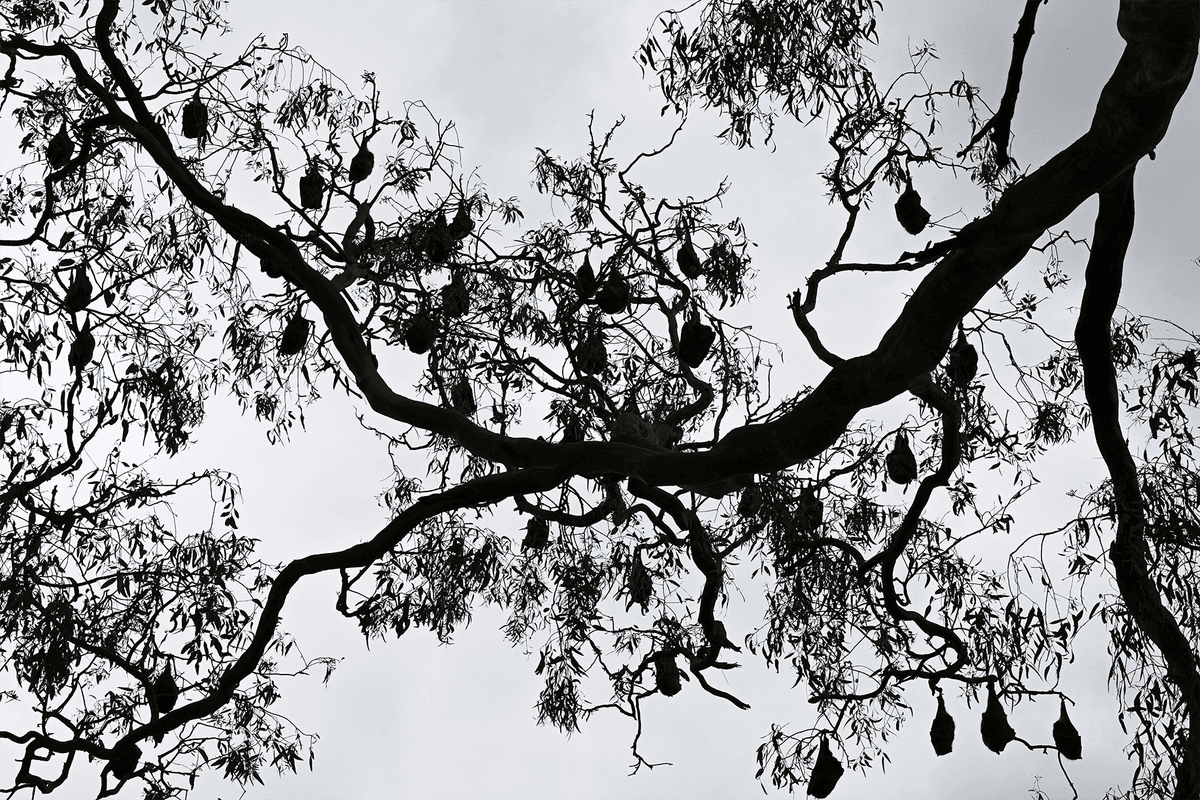
The alliance warned that continued native forest logging threatened the habitat of endangered species such as greater gliders, quolls, owls, koalas, swift parrots and black cockatoos.
“Every day of continued logging drives them closer to extinction. It decimates our carbon stores, undermines our climate resilience and increases our vulnerability to bushfire,” Ms Weber said.
The Greens have welcomed the collaboration, describing it as a critical moment in defence of Australia’s precious forests.
“To have so much of Australia’s environment movement come together in defence of native forests is an inspirational and historic opportunity to finally protect forest ecosystems,” said Greens Forests spokesperson Senator Nick McKim.
“This is a reflection of the urgency of the climate and ecological crises we are living through.”