

The week gas politics showed its hand
The last full sitting week in October before budget estimates was a big one in Canberra for anyone who cares about who should benefit from Australia’s gas and missed revenue.
Since Labor was elected in mid 2022, domestic emissions have fallen, on average, by about 0.6 megatonnes of carbon dioxide equivalent each quarter. But exported emissions have risen, on average, by about 2.5 megatonnes.

Fri 23 Oct 2026 01.00 AEDT
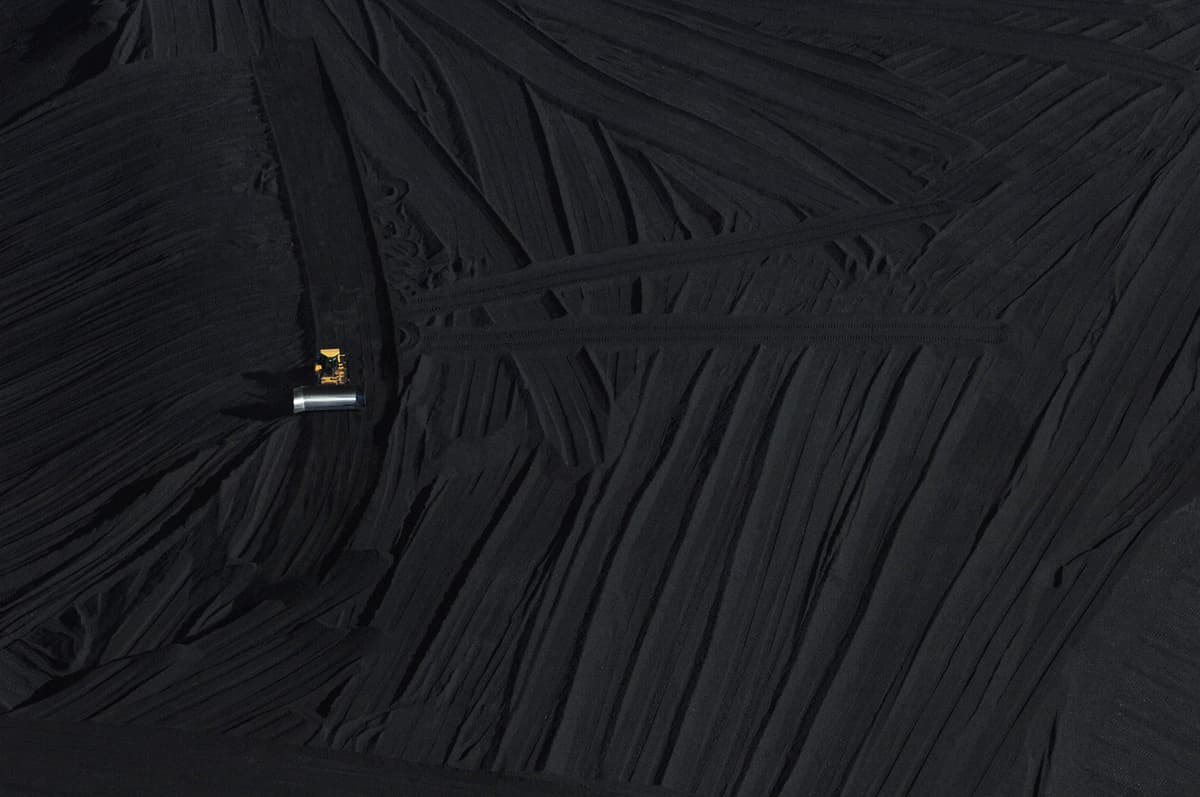
Photo: AAP Image/Dean Lewins


The last full sitting week in October before budget estimates was a big one in Canberra for anyone who cares about who should benefit from Australia’s gas and missed revenue.
Economist Rod Campbell, who found himself in the middle of South Australia's high-stakes nuclear waste battle, reflects on how different the state - and country - might be today if ordinary South Australians hadn't said a resounding 'no' in 2016.

Recently, the Independent Planning Commission (IPC) in New South Wales approved what is comfortably the biggest ever coal mine in the state’s history. The Hunter Valley Operations (HVO) project has had its life extended out to 2045. Objections to the project centre around what happens when the coal that’s dug up eventually gets burned – around 809 million tonnes of carbon dioxide equivalent over the project’s lifetime.
That approval came only days before an astonishing win in the High Court of Australia, where another carbon bomb coal project suffered a major setback, as the court found the project’s eventual product use emissions, known as ‘scope 3’, was not properly considered when it was being assessed.
NSW Premier Chris Minns has since insisted climate activists shouldn’t get “excited” about the win, but at the very least, it is another hurdle for an industry that already faces geopolitical headwinds and the prices of clean competition like wind and solar continuing to fall (despite global supply chain snarls).
Buried somewhat among the flurry of these project-level decisions was the release of the Department of Industry’s quarterly energy and resources report.
The new data shows that Australia’s total emissions – both domestic and ‘scope 3’ exported elsewhere – have risen slightly since the election of the Labor government in 2022:
Since Labor was elected in mid 2022, domestic emissions have fallen, on average, by about 0.6 megatonnes of carbon dioxide equivalent each quarter. But exported emissions have risen, on average, by about 2.5 megatonnes.
If you dig into Australia’s scope 3 emissions, it’s clear that the increase in the Albanese government’s international climate impact comes from an unexpected surge in the coal used for steel-making (metallurgical coal):
Quality research, analysis, explainers and factchecks from experts you can trust.
Australia is comfortably the world’s top exporter of metallurgical coal, and it’s important to note the trend above doesn’t indicate a surge in recovering demand for this dangerously polluting product (with the long-term data still indicating a steady decline). As the department itself admits: “a deadly mine accident in China subsequently tightened domestic supply and supported Chinese demand for seaborne [metallurgical] coal”.
The Department is still confident in sustained future metallurgical coal demand, though Australia’s efforts to reduce demand for metallurgical coal are wildly insufficient. This, paired with confident assumptions about coal and gas exports, means projected exported emissions are set to remain high:
Since Albanese’s election, the coal and gas Australia has exported will have caused about 5 gigatonnes of carbon dioxide emissions when used. If the projections are anything to go by, Australia will export a total that will cause about 11 gigatonnes of emissions by 2031.
A newly-released tool, the ‘carbon impacts tracer’, estimates the amount of harm done by fossil fuels, based on the best science and conservative assumptions. It doesn’t even let you input a number as high as Australia’s total of 11 gigatonnes, but 10 gigatonnes will, by the reckoning of this tool, result in around 1,200 additional deaths during European heatwaves, and push 4.1 million humans worldwide outside of a habitable temperature range. 110,000 thousand people will lose their jobs, and 1.3 million people will experience dangerous periods lasting longer than a week who otherwise would not.
It is understandably hard to wrap your head around these numbers. In a sense, you don’t really need to – you just need to listen to the frustrated pleas of the Pacific, who have been begging Australia to take real action to cut off fossil fuels at the source.
Australia should pay for the damage doneand stop causing new damage, ASAP.
Ketan Joshi is a Senior Research Associate at the Australia Institute.