Governments should also report whether investment and approvals reduce or extend fossil-fuel dependence. Clean-energy deployment must displace fossil fuels, not simply grow alongside them.
This would be embracing the transition in a way that business, civil society and governments coming to COP31 would recognise as a partnership.
Friendship requires practical commitments
This week’s Global Citizen NOW summit in Perth offered another test of delivery. Its declaration called for Pacific nations to be recognised as equal partners. A proposed climate-investment pipeline developed with 14 Pacific countries could mobilise US$1 billion, including US$250 million in Green Climate Fund grants, subject to Board approval. The opportunity is welcome; the measure remains finance delivered and benefits reaching communities.
Australia’s role as COP31 President of Negotiations creates an opportunity to work with Pacific countries as equal partners, bringing different resources and responsibilities to a shared task.
Marshall Islands representative Jess Gasper Jr explained at Pre-COP that fossil-fuel prices are set beyond island shores, while their impacts fall directly on island communities. This is the reality of the developing world everywhere.
Locally generated renewable electricity, storage and efficient equipment offer greater energy sovereignty: control over essential services and less exposure to imported-fuel shocks. It is the key to survival and to a liveable economic future.
Supporting the proposed Pacific roadmap would demonstrate what partnership means: different national circumstances and responsibilities, but a shared direction away from fossil-fuel dependence. That means financing locally chosen projects, training and retaining local technicians, supporting maintenance over the full life of equipment, and publishing progress on diesel displaced, costs reduced and reliability improved.
Australia must act at home too
The same principles should guide our domestic transition: affordable electric transport and practical pathways beyond diesel for regional agriculture, freight, mining and industry – the next big agenda for us.
For fossil-fuel regions, friendship abroad must be matched by fairness at home. Workers and communities need replacement industries, infrastructure, training and investment before employment disappears.
We advocate a time-bound Australian fossil-fuel transition roadmap: stop approving new coal and gas projects, progressively redirect fossil-fuel support towards alternatives, and plan the export transition with workers, communities and trading partners.
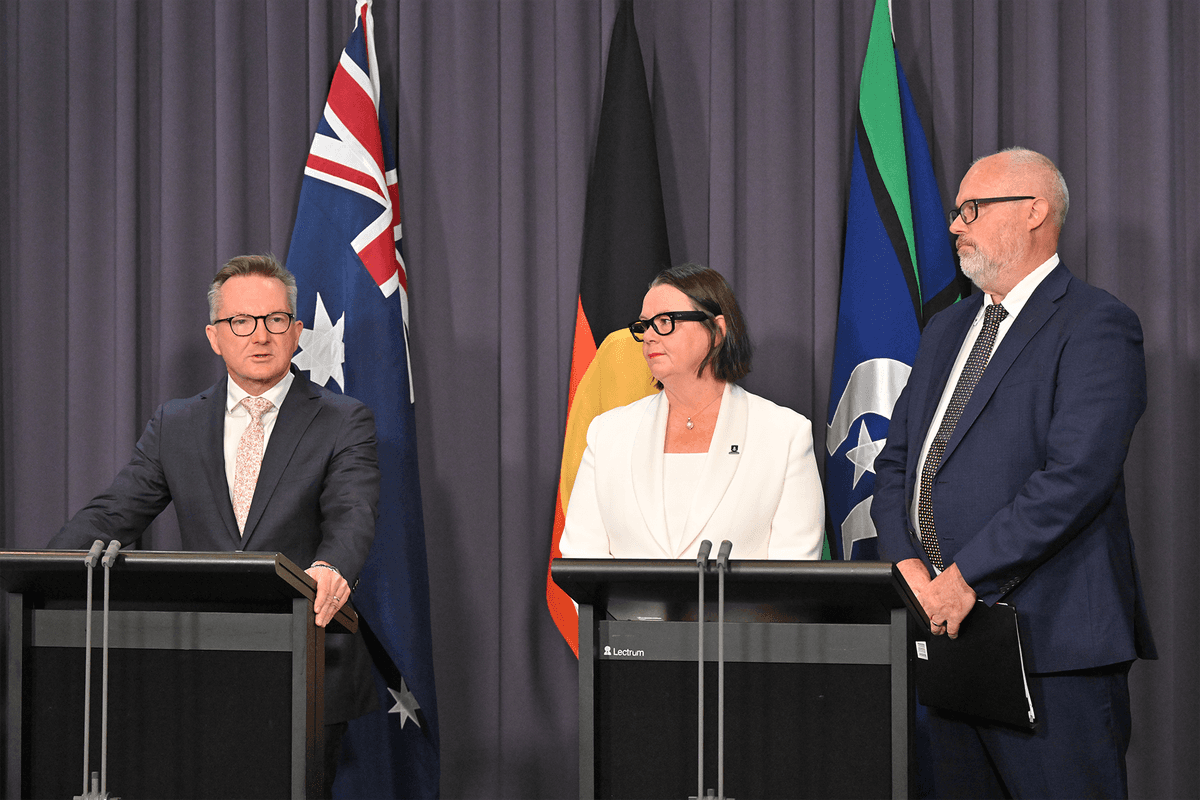
Speaking in Canberra on 14 October, Palau’s President Surangel Whipps Jr offered a practical test for COP31: Projects prepared. Finance committed. Systems commissioned. Diesel displaced. Benefits reaching communities. Whipps explicitly excluded switching fossil fuels off overnight.
Australia lives in this neighbourhood and belongs to this neighbourhood. We should not stand above it, simply offering assistance while discounting the evidence-based warnings.
True friends act on what they know and hear.
Australia should back Pacific-led electrification with affordable finance, local skills and measurable benefits. But clean-energy partnerships cannot substitute for a credible transition away from coal, oil and gas.
True partnership means listening to our neighbours, sharing responsibility and delivering.
Professor Ray Wills, Managing Director, Future Smart Strategies; Adjunct Professor, The University of Western Australia
Professor Peter Newman AO, John Curtin Distinguished Professor of Sustainability, Curtin University; advisor-at-large, Future Smart Strategies