The Australian Human Rights Commission has urged the Albanese government to pause its plan to cut more than $30 billion from the NDIS, arguing it’s “dismissing genuine concerns” about process, accountability and the impact on participants and their families.
It joins a long line of disability advocates, peak bodies, participants, carers and state and territory governments calling for the process to be slowed down, with the Commission noting the two-week consultation period was “wholly inadequate for reforms of this scale”.
“Everyone acknowledges the scheme needs reform to address fraud and market failures,” said Disability Discrimination Commissioner Rosemary Kayess.
“But the government is dismissing genuine concerns that their proposed changes will seriously erode the life-changing impact the scheme has delivered for hundreds of thousands of people with disability across Australia.”
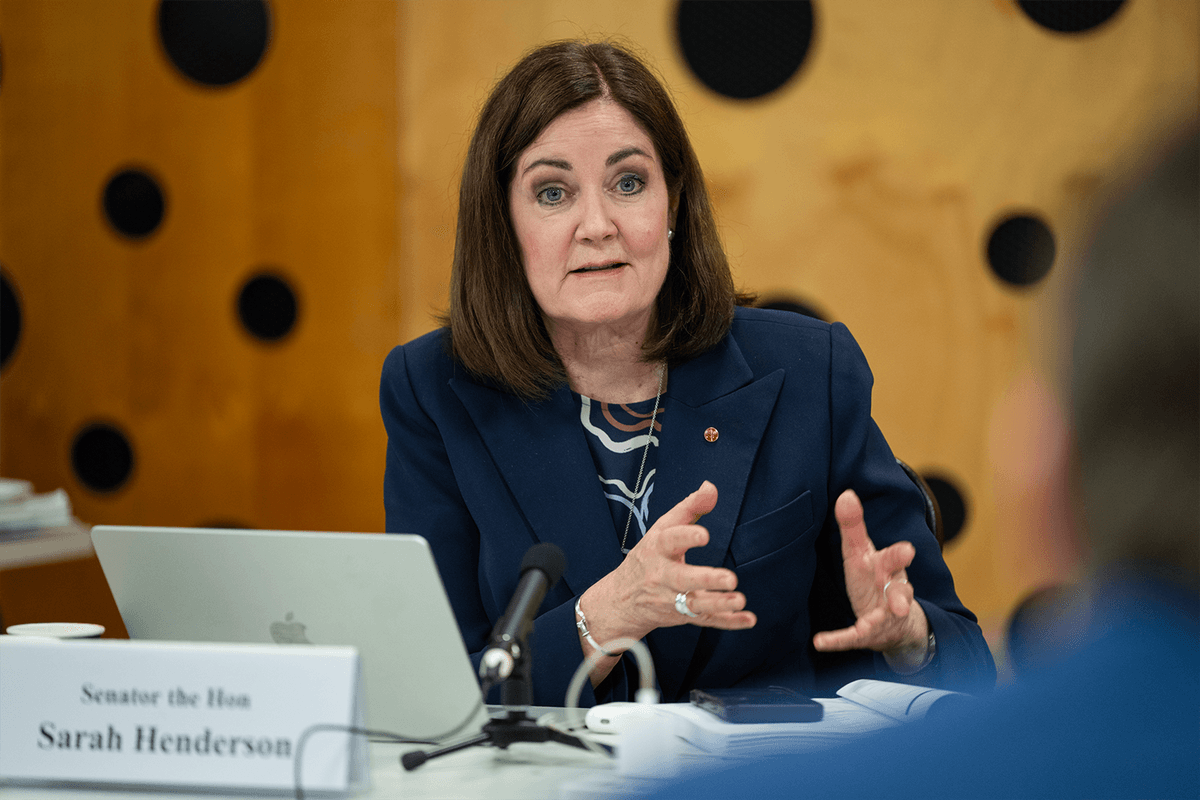
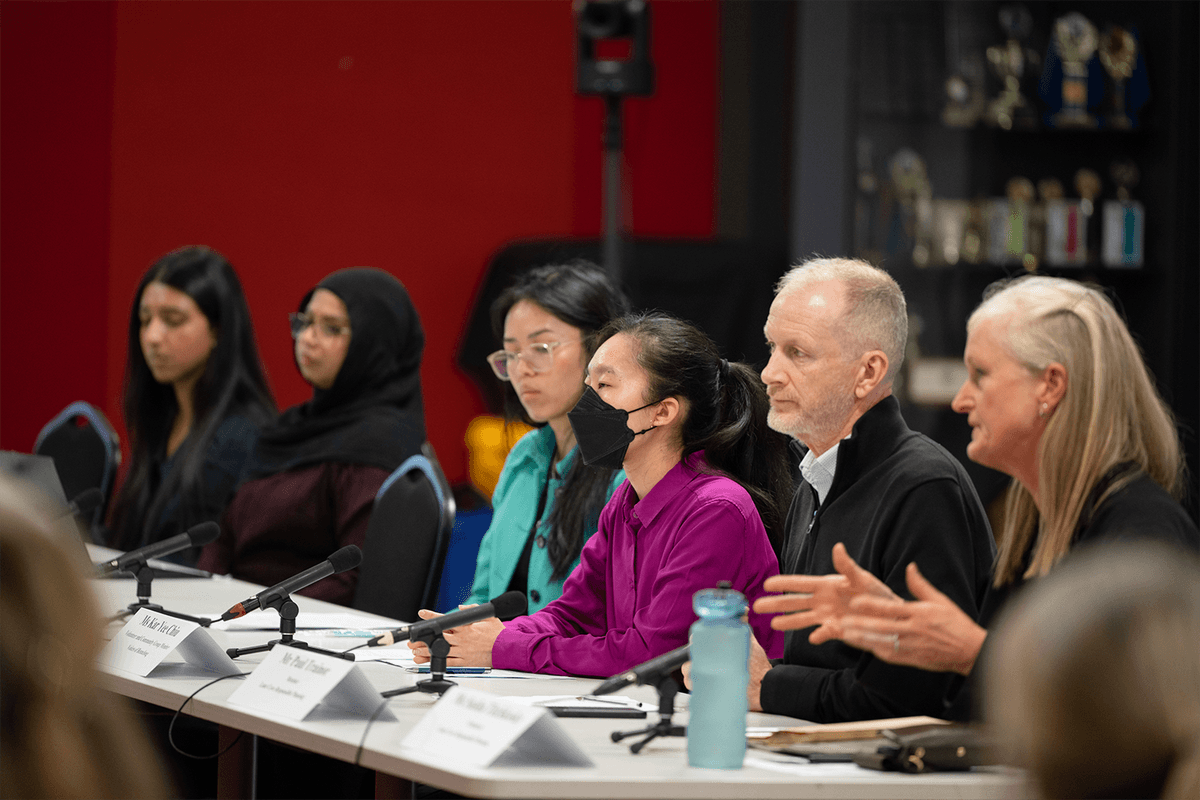
A Senate inquiry into the proposed cuts received more than 4,500 submissions during those two weeks and held its sixth and final public hearing last week.
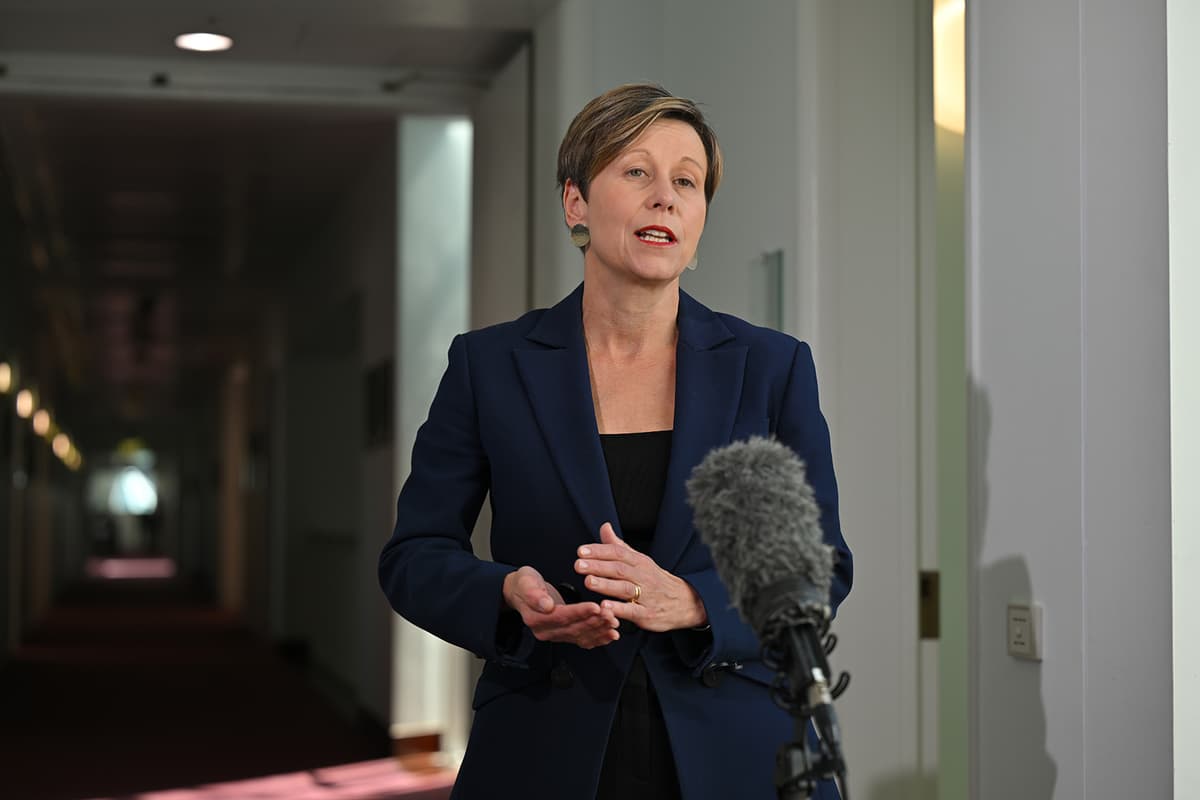
Despite repeated warnings from experts and harrowing evidence from participants and their families, Labor is pushing ahead with the reforms in parliament this week, with NDIS Minister Jenny McAllister arguing there are “real harms that arise from delay”.
“There is too much fraud in the scheme, and every week that goes by, I see more and more money lost to fraudsters and shonks that should be going to people with disability,” she told News 24.
“The Coalition proposed a six-month delay to the legislation. We came to an agreement with the Greens for an eight-week delay. It’s allowed extra scrutiny of the bill.
“I think it’s time for the Parliament to get onto this.”
However, Commissioner Kayess said without proper scrutiny the changes could end up harming the very people the system was designed to support and protect.
“My colleagues and I have some very serious reservations about the process the government has taken to arrive at this point,” she said.
“There’s been no formal response from the government to the NDIS Review and there’s been no meaningful involvement and participation of people with disability in the design of the proposed reforms.”
Advocacy group Every Australian Counts is also pushing for a delay, with its independent chair Dr George Taleporos saying the Commission’s intervention should be a “turning point in the debate”.
“When Australia’s national human rights expert says this Bill should be paused, Parliament must listen. This confirms what people with disability have been saying from the beginning – this Bill is dangerous and our Parliament must vote against it,” he said.
Evidence presented to the Senate inquiry showed that around 241,000 people would leave the scheme by 2031 as eligibility tightens, and over $37 billion is cut from the scheme over the same four-year period.
Dr Taleporos described the bill as “dangerous” and warned it would give the government “extraordinary new powers”.
“The question senators need to ask is not just what this Government says it intends to do with these powers. They need to ask what the worst future government could legally do with them,” he said.
“This bill gives the power to governments to override our reasonable and necessary support needs by imposing across-the-board limits on funding and support arrangements that are not based on the individual needs of the person receiving support.”
The Australia Institute and other critics argue the government could avoid such deep cuts to the scheme by introducing a 25 per cent tax on gas exports, with the estimated $17 billion in annual revenue helping fund essential supports.
“Mr Albanese’s government chooses to give gas away for free to the gas export companies,” said Dr Richard Denniss, Co-CEO of The Australia Institute.
“If this parliament chooses to leave things largely unchanged, then it is choosing to put foreign-owned gas companies ahead of deficit repair and properly funding things like the NDIS, hospitals, schools and roads.”