


At a Senate inquiry into AI and data centres, Senator Sarah Henderson challenged property giant Goodman Group over its proposed Lane Cove facility, which residents said would be around 16 metres from a neighbour’s property line.
Wed 23 Sep 2026 13.51 AEST
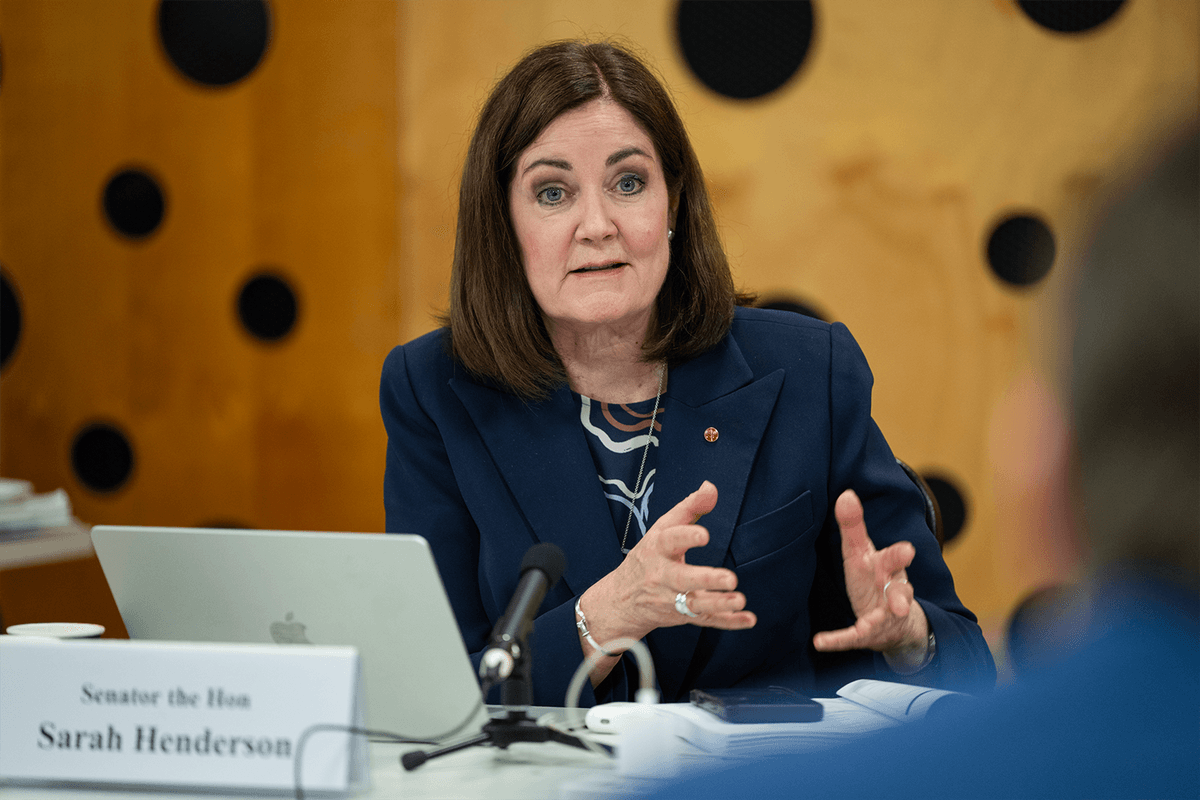
Senator, The Hon Sarah Henderson during a Senate inquiry into data centre regulatory frameworks. Photo: AAP Image/Sarah Wilson
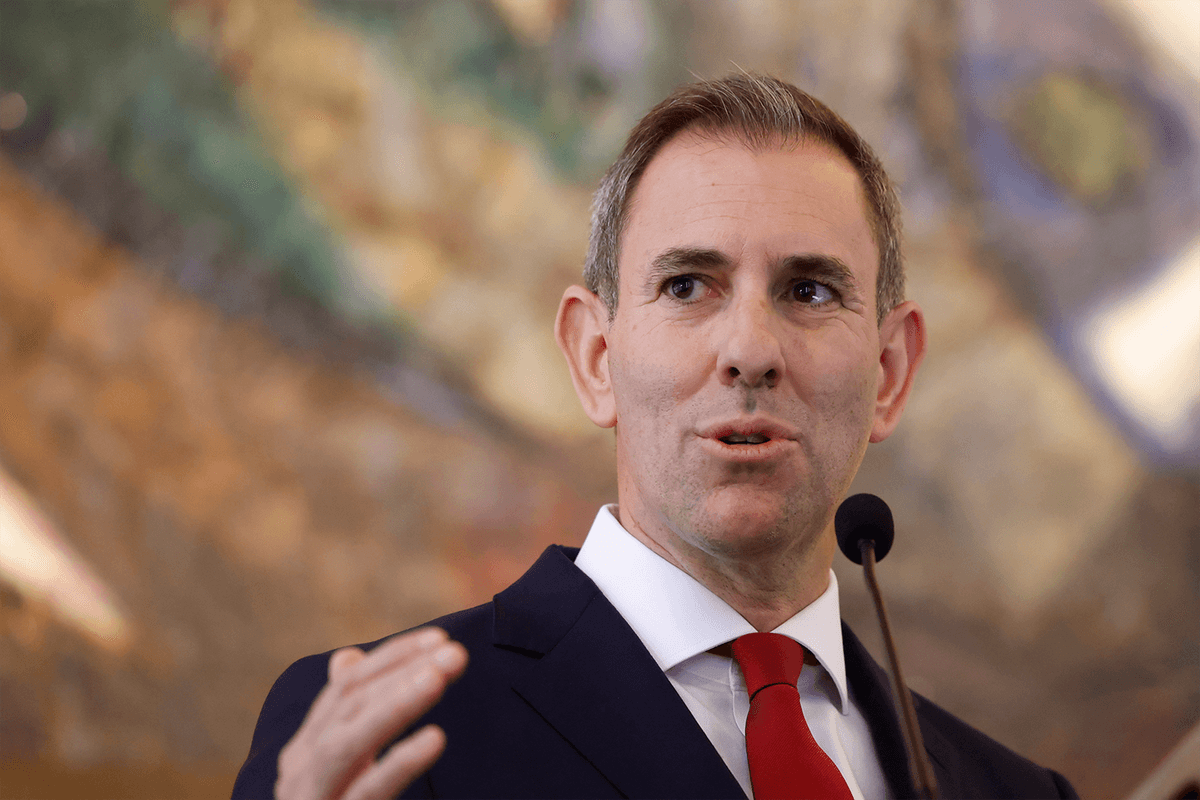
The Seventh Intergenerational Report (IGR) released today by the Treasurer Jim Chalmers looks all the way out to 2066 and yet is mostly focused on the present and the fad-like demand of AI and data centres. Each iteration of the IGR is less about the projections than its focus.
Two of the companies key to Australia’s data centre boom have faced questions over how close their facilities should be built to homes, with one grilled about a “grossly irresponsible” proposal just metres from people’s homes.
At a Senate inquiry into AI and data centres, Senator Sarah Henderson challenged property giant Goodman Group over its proposed Lane Cove facility, which residents said would be around 16 metres from a neighbour’s property line.
“On what planet do you think that that is acceptable to build a massive data centre 16 or 20 metres from someone’s home?” asked Senator Henderson.
“How is that possibly acceptable?”
Community advocates said Goodman’s proposed three-storey Project Mars data centre at Lane Cove West would also sit about 160 metres from a primary school and adjacent to a sporting precinct used by thousands of children.
Paul Trainor, a member of Lane Cove Responsible Planning, told the committee that clearer rules were urgently needed to monitor data centres and assess their combined effects.
“Why are data centres largely assessed as individual developments with minimal consideration to the cumulative impacts of emissions, fuel loads, light and heat, resource use, and national security risks?” he asked.
“Australians should not have to fight these developments on a project-by-project basis, nor should communities be expected to shoulder the environmental, social, and financial costs.”
Five data centres are operating, approved or proposed in the Lane Cove West Business Park.
AirTrunk executive Tom Mackellar told the inquiry its operating data centre was 600 metres to neighbouring homes adjoining the industrial precinct, with one residential tower around 220 metres away.
This week, the Victorian Government announced new rules that included a 150-metre minimum buffer between a new data centre building and homes, but they won’t be retrospective for applications already being assessed.
It also plans to ban data centres in residential zones and near schools and childcare facilities.
Community advocates told the inquiry that NSW had no specific minimum setback.
“The major concern from residential groups is that you’ve taken advantage of a big black hole in the planning laws, which is not acceptable, given how data centres have exploded and the changing nature of data centres,” said Senator Henderson.
Residents from Lane Cove West, Moss Vale and Western Sydney criticised consultation on separate data centre projects.
One Moss Vale resident likened it to “a PowerPoint presentation and a few Post-it notes”, while Mr Trainor said developers were “just telling us what’s going on”.
Sasha Titchkosky, spokesperson for Lane Cove Responsible Planning (LCRP), said Goodman had told locals their input wouldn’t change its plans.
“They’ve said to us that they weren’t really going to change anything in their proposal as a result of any community consultation that they did, and they have refused to come and meet us in person,” she said.
Quality research, analysis, explainers and factchecks from experts you can trust.
Senator Henderson said Goodman needed to be a “responsible corporate citizen”, calling the proposal “completely unacceptable”.
“Clearly, we’ve got a difference of opinion in Lane Cove with our community, and it’s something that sits uncomfortably with us. And we ultimately would like to bridge that in some form,” said Ben McGilp, Goodman’s general manager of development.
“It’s important to us that we do seek the support of community. So, it is something we’re taking very seriously, and I would expect to keep the community involved in consultation as we evolve our thinking,” he said.
“I don’t think you need to consult any further,” Senator Henderson retorted.
“This is a wholly unreasonable and frankly grossly irresponsible proposal, which shows contempt for local residents.
“When will you withdraw this proposal and reassess the way and the impact that you’re having on residential communities?”
Mr McGlip said he could not answer that question and Goodman expected to decide its next steps by the end of the year.
“My view is you should bring that forward quite dramatically,” said Senator Henderson.
“People are grief stricken about what you’re proposing.
“You’re not suggesting that you have a social license to build a data centre 16 metres from someone’s home, are you?
Mr McGlip acknowledged Goodman had not yet secured community support for the development, saying “we’ve got work to do”.
Australian-founded AirTrunk has invested in four data campuses with a further five announced across Sydney and Melbourne.
Mr Mackellar told the committee that “community expectations are rightly high” and the company was now designing facilities that don’t use water for cooling.
“Cooling is essential to data centre operations. There is a trade-off between water and energy, so we need to choose the most efficient solution for each location,” he said.
“Dry cooling uses more energy, and we can use recycled water. It will be more energy efficient at our data centres.”
He told the inquiry most water circulated in a closed-loop system and the smaller amount released “doesn’t come into contact with any chemicals or refrigerants”.
Pressed on whether it contained any chemicals, however, he conceded he couldn’t “absolutely say” it did not.
“It goes into Sydney Water’s sewage system, and they would treat that water as part of their protocol.”


