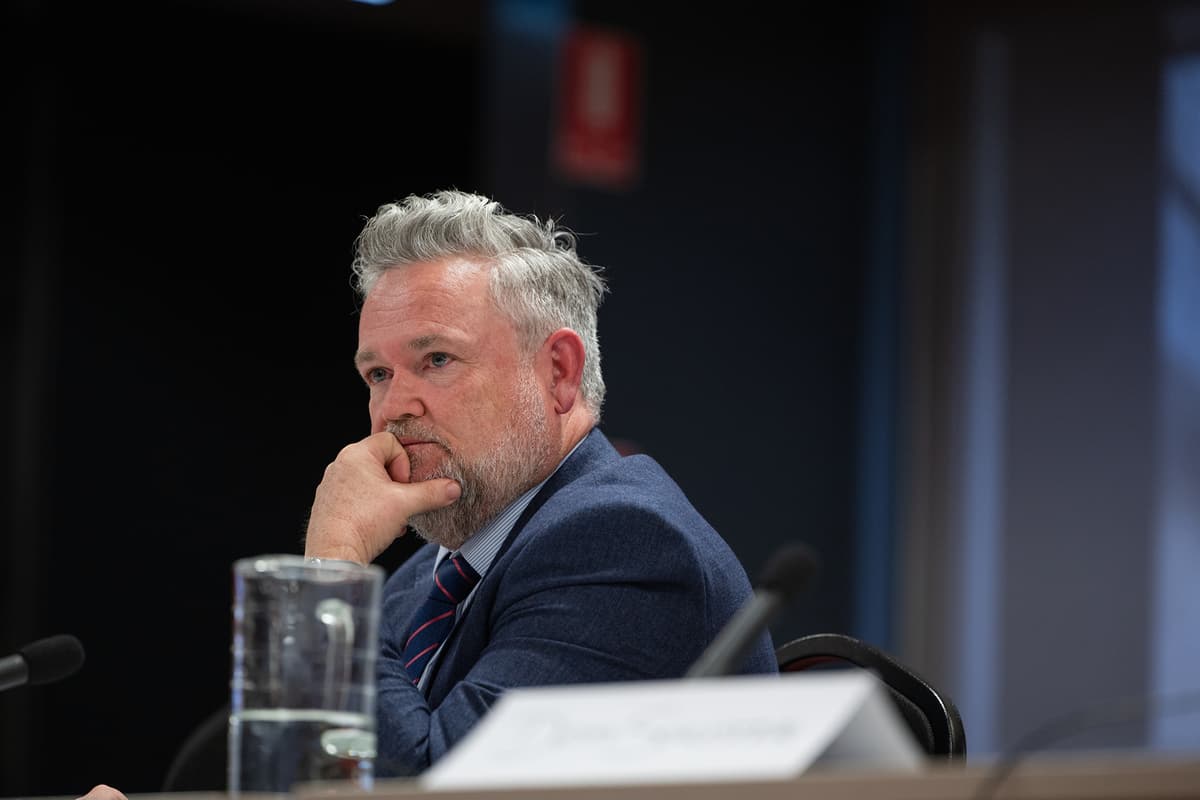
Sydney Water will seek expert advice on whether data centres could release “forever chemicals” into the wastewater system after the possibility was raised at a Senate inquiry.
Paul Plowman, Executive General Manager, Water and Environmental Services, told the committee his team had not identified PFAS (per- and polyfluoroalkyl substances) as a particular risk from data centres.
He said Sydney Water had a waste acceptance standard for PFAS, and data centres shouldn’t be discharging it into the sewer.
“Because it hadn’t been raised by my technical experts, we don’t have any research at the moment. But now it’s been raised, we will make sure that we know,” he said.
“What I can say is that I’m absolutely concerned with you.”
The scrutiny comes as Swedish nonprofit ChemSec reported earlier in September that most of the world’s top 10 PFAS producers are planning to expand production, with some framing their investments around the “AI revolution”.
PFAS are a group of more than 15,000 human-made chemicals that don’t break down naturally in the environment or human body.
The chemicals are used in products ranging from non-stick cookware and waterproof fabrics to building materials because they resist heat and repel oil and water.
The UN’s new special rapporteur on toxics, Dr Bethanie Carney Almroth, has called for an immediate international ban on all non-essential uses, saying the synthetic chemicals have been linked to serious health issues, including cancer.
Some immersion cooling systems use PFAS-based fluids to draw heat from servers and can reduce the need to use massive quantities of water.
That alone doesn’t mean it enters wastewater.
“There’s lots and lots of technology choices that data centres can make to do their cooling,” said Mr Plowman.
“Generally speaking, if you choose a technology that uses more water, you’re probably likely to use less energy, less power to cool your data centre.”
The inquiry heard from nine local councils over two days, with water among their main concerns.
Get our newsletter
Quality research, analysis, explainers and factchecks from experts you can trust.
“Just Project Mars, which is a Goodman project, we’re looking at approximately half a billion litres of water a year,” said Lane Cove Council Deputy Mayor Rochelle Flood.
AirTrunk Vice-President Tom Mackellar told the inquiry that the company was looking to reduce its reliance on drinking water through dry cooling systems or recycled water.
He said the company had invested in four data campuses in Australia with a further five announced across Sydney and Melbourne.
Asked whether AirTrunk had evidence about PFAS in its wastewater, Mr Mackellar said: “We have done some testing on our facilities, and there’s been no PFAS as evident in that water.”
The inquiry heard no evidence that a Sydney data centre had released PFAS into the wastewater system.
Asked separately whether the water contained any chemicals, Mr Mackellar said: “I can’t absolutely say that there’s no chemicals in that water.
“I don’t have the exact data on that, but we have no concerns about the safety of the water.”
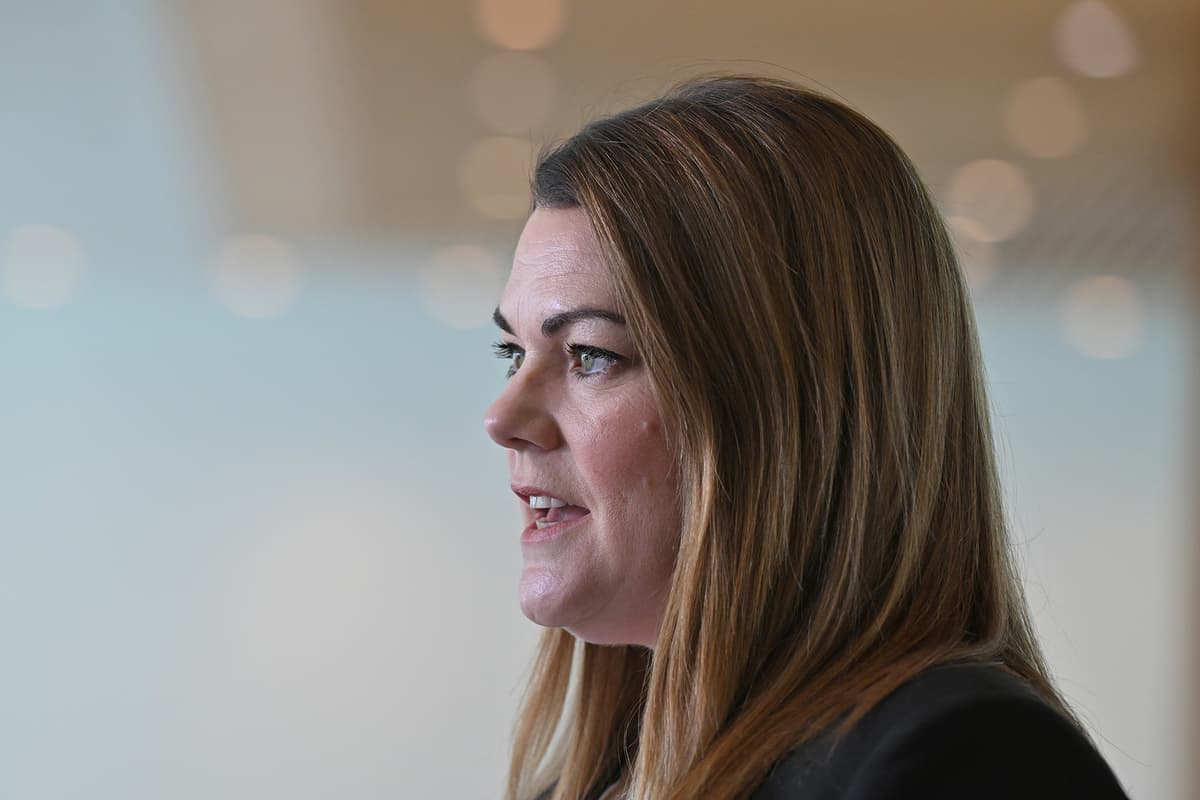
Later, while questioning Sydney Water, Senator Sarah Henderson remarked: “But having no concerns is very different to understanding whether there are any contaminants in the water.”
She suggested Sydney Water immediately request the testing results from every data centre located in Sydney.
“Now it’s been raised, we will make sure that we understand the risks, and if we identify that there is a credible scientific-based risk, we will absolutely,” Mr Plowman said.
Sydney Water also faced questions about how much water data centres use.
Mr Plowman said they currently account for less than one per cent of Sydney Water’s average daily demand, but that share could increase to as much as five per cent by about 2030.
While recycled water is available in some areas, he said supplying it at that scale would require expanding existing treatment plants and building new ones, with data centres to foot the bill.