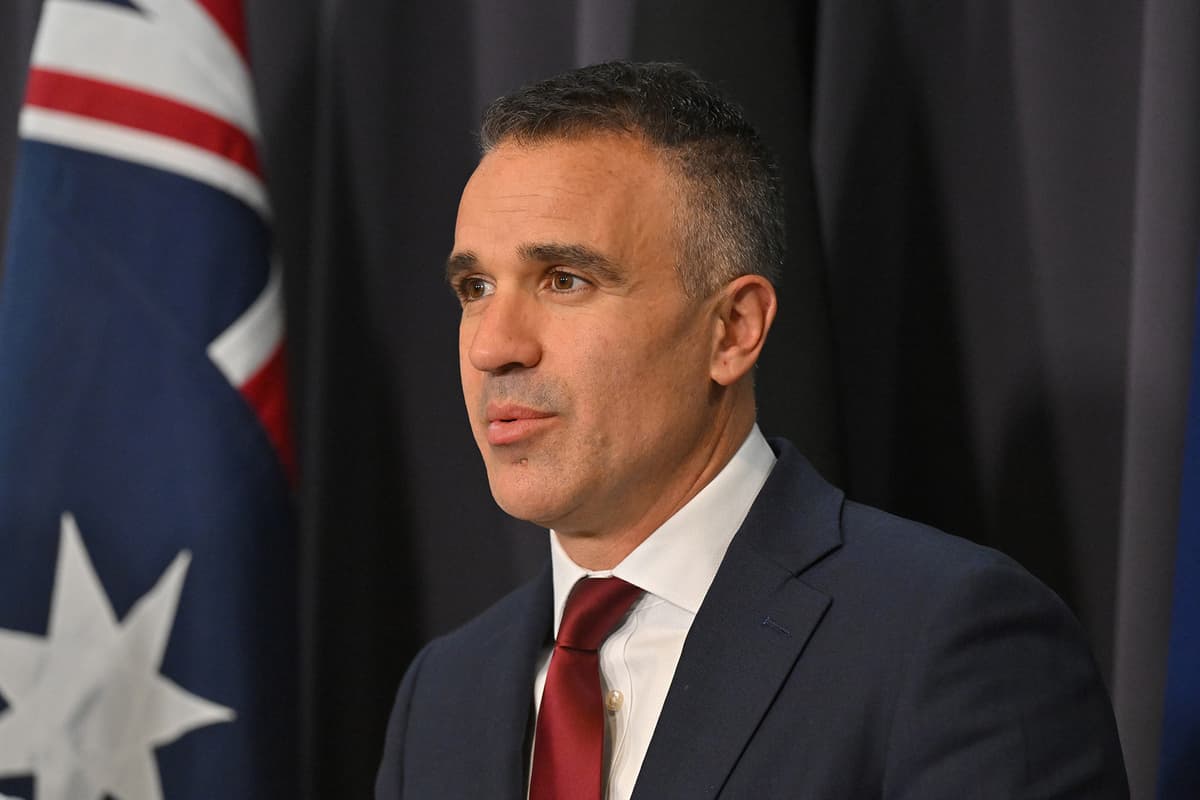
A bitter battle over fracking is brewing in South Australia, with a consortium of community groups and councils imploring Premier Peter Malinauskas to abandon plans to lift a decade-long ban in the state’s South East two years early.
Local councils, farmers, businesses, health advocates and environmental groups have written an open letter to Parliament, urging MPs and councillors to oppose the changes and not “frack our food bowl”.
“This is a betrayal of the Limestone Coast and of South Australia’s economic future,” said Limestone Coast Protection Alliance Chair Angus Ralton.
“Our clean, green reputation has been built over decades and should not be gambled away for a polluting gas industry with no social licence in this region.”
The ten-year moratorium was introduced in 2018 by the Marshall Liberal government following a community campaign over concerns about the technology being used over limestone.
“We won a hard-fought 10-year moratorium because the science, the economics and the community were clear,” Mr Ralton said.
Fracking is permitted across SA, except in the South East region.
However, the Malinauskas government claims more gas is needed to support manufacturing, with the Premier also describing it as a “necessary component” of the transition to net zero.
“There is no world where we get to Paris [climate change targets] without gas playing a role in transition,” the Premier told Sky News.
His government has also pointed to warnings from the Australian Energy Market Operator (AEMO), which forecasts risks of peak-day gas shortfalls in southern Australia from 2029.
But the Australia Institute argues that producing more gas isn’t the answer.
“Australia Institute research shows that we do not have a gas supply problem, we have a gas export problem,” said Noah Schultz-Byard, Strategy Director with the Australia Institute.
“Most of the gas extracted in Australia is sent overseas, returning massive profits for multinational companies, while providing very little for Australian homes and communities.”
Mr Malinauskas said lifting the ban in the South East wouldn’t automatically “authorise fracking”, arguing any proposal would still need to meet “rigorous scientific, environmental and community scrutiny”.
The Limestone Coast accounts for around 2 per cent of South Australia’s land mass but produces around 30 per cent of the state’s agricultural output, while the regional economy generates almost $5 billion annually.
Opponents argue the region’s agricultural industry could be jeopardised if the region’s groundwater sources and soils were contaminated.
“Fracking in the Limestone Coast presents significant risks to the local environment, particularly in the risk of draining and contaminating ancient water aquifers which have already been in depletion for over 30 years,” said Kirsty Bevan, CEO of the Conservation Council of SA.
“The potential catastrophic impacts of fracking in our South East aren’t just local, but they are global.
“Gas is a dirty fossil fuel that we must transition away from if we have any hope of slowing down the accelerating climate crisis.”
CEO of Doctors for the Environment Australia Dr Kate Wylie said there were also concerns about how the technique could impact the community’s health.
“There is abundant evidence regarding the health harms of gas extraction like fracking,” said Dr Wylie.
“Local communities near gas extraction and processing face increased exposure to toxic air pollutants which can cause respiratory illness, worsen childhood asthma and increase cardiovascular and cancer risks.”
Aboriginal Youth Climate Advocate & Mount Gambier local Jazmin Bingham also raised concerns about the impact future projects could have on the land for future generations.
“As a proud Gomeroi woman, as a young person, and as someone who cares deeply about the future of South Australia, I know we must protect the future we are leaving for the generations who come after us,” she said.
“Because they deserve to inherit a Country that is alive, healthy and thriving — not one that has been sacrificed for short-term gain.”