This is the sixth piece of seven in an ongoing series examining the remarkable flaws of the Safeguard Mechanism, updating our previous analyses with new data, facts and figures as a review of the scheme kicks into gear.

Fri 20 Nov 2026 01.00 AEDT
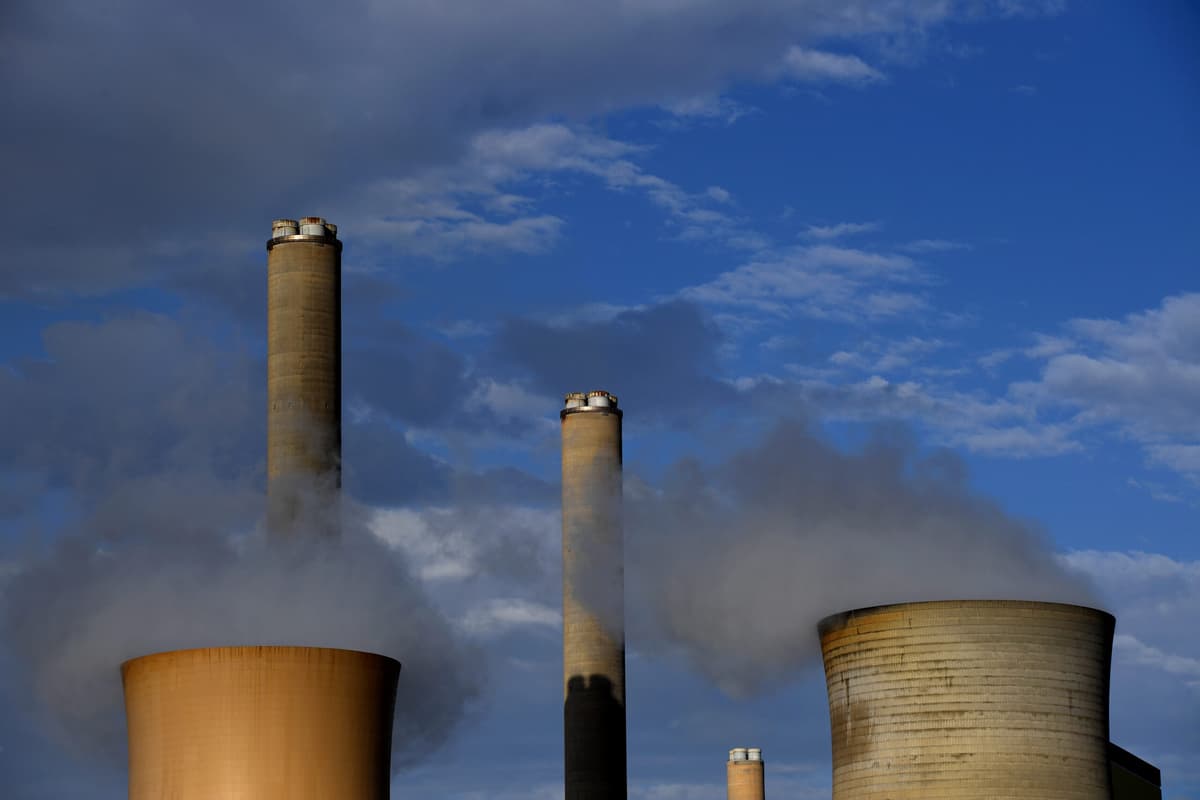
Photo: AAP Image/Julian Smith


We have covered carbon offsets in great detail in the past. The Safeguard Mechanism is built on them. The highest polluters use offsets the most and have unlimited access to them, and the most-used offsets tend to be the lowest-quality and most questionable ones available.
However, the Safeguard Mechanism features a little-known in-house scheme that replicates the serious flaws of carbon offsets, rebranded with a new name and a supposedly ‘better’ design. These are known as ‘Safeguard Mechanism credits’, and they allow polluters within the scheme to trade success and failure against their climate targets with each other. But what happens when those targets are themselves flawed?
Data released in 2026 by the CER shows that the Safeguard Mechanism’s ‘Safeguard Mechanism Credit’ (SMC) scheme is granting lucrative credits to fossil fuel companies with rising emissions, largely based on the facility’s target being set artificially and dangerously high.
One example shows that Shell’s floating LNG facility, Prelude, received an abnormally high SGM target due to several major worker safety incidents resulting in a period of highly inefficient production. This was taken to be ‘representative’ of the facility’s production, and now means Prelude receives abnormally high emissions targets (as it is assumed to be producing at an inefficient level).
It produces gas with a much higher efficiency than occurred during these incidents, as expected. As a result, it earns hundreds of millions of dollars in lucrative credits as a result of its own safety failures.
Australia Institute analysis shows that of the more than 6 million ‘safeguard mechanism credits’ granted to facilities in FY25, one third went to fossil fuel projects that saw rising emissions between the two years. The Carmichael Coal Mine saw a 10% rise in emission between the years FY24 and FY25 and was granted about $10m worth of SMCs in FY25. Bulga coal mine saw an 11% rise and was granted about $3m worth of SMCs.
Quality research, analysis, explainers and factchecks from experts you can trust.
In total, 11 fossil fuel companies that saw rising emissions between FY24 and 25 earned $136m worth of credits over those two years. On average, their emissions rose 14%, and Shell’s Prelude facility earned three-quarters of this total.
A system where emissions reductions are traded between participants, such as a standard ‘emissions trading scheme’ (ETS), must involve targets set to ensure real pressure to reduce emissions. Yet in the SGM, these credits are turning into yet another reward for pollution.
In the June 2026 report by Fergus Green and Frances Medlock, “Safeguarding the Fossil Fuel Industry”, a wild litany of loopholes peppered throughout the ‘Safeguard Mechanism’ is laid out in great detail. Much of this comes down to the unchecked ability of polluters in the scheme to claim compliance by using offsets. Green and Medlock write that “the reliance on the flawed logic of ‘net’ abatement and the unfettered use of carbon offsets” is the key structural feature of this scheme that undermines its efficacy.
It is very true. Pretty much every single problem we’ve found in analysis of this scheme boils, very consistently, down to a polluter claiming to have undone its emissions using offsets. What this enables is the unlimited expansion of coal and gas projects in Australia, particularly at a time when developers of these white elephant fossil fuel megaprojects are trying to get as many big sites on the books as fast as possible before fossil fuel demand really starts to dry up.
While there has been increasing awareness of the carbon offsetting scam throughout Australia, the Safeguard Mechanism has taken the technique and buried the scam underneath layers of formulas, calculations, jargon and complexity.
Ketan Joshi is a climate analyst and writer.

