While negotiators at COP31 spent the first week avoiding two words, a court in Oslo said them out loud.
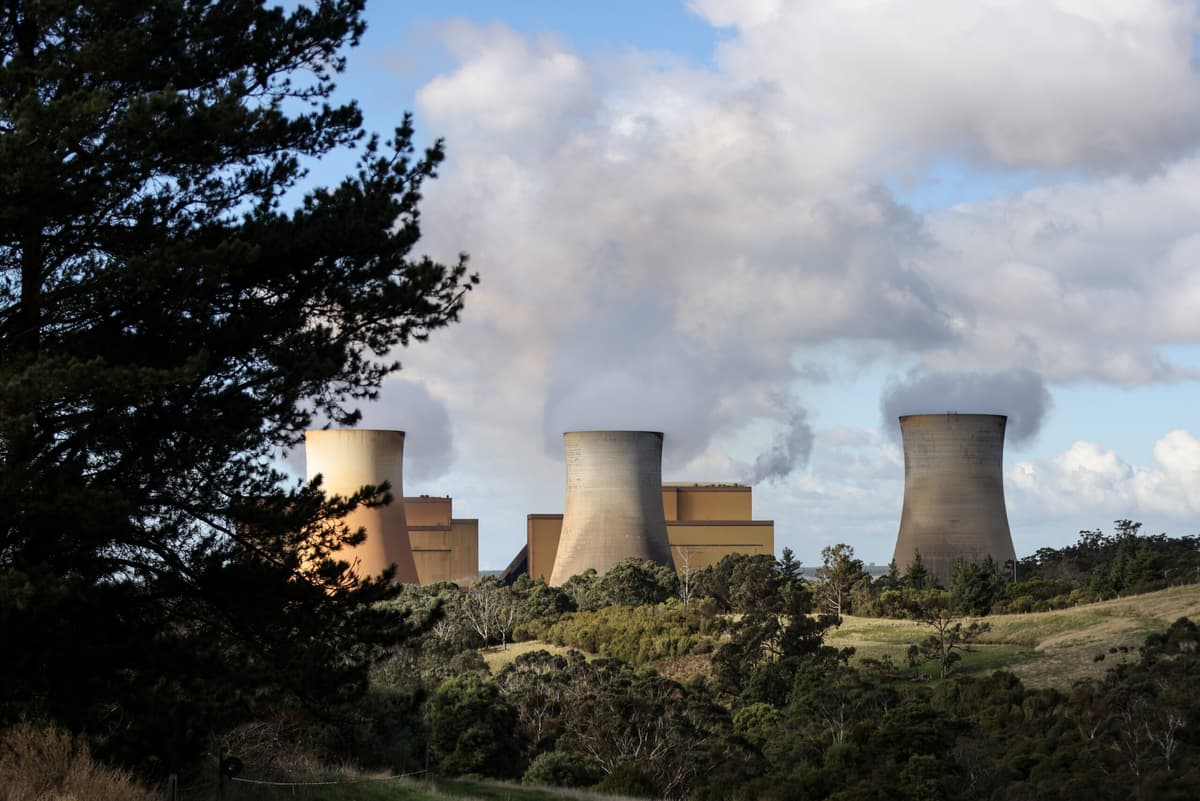
On Friday 13, Norway’s Supreme Court, sitting as a Grand Chamber, ruled that government approvals for three North Sea oil and gas fields were invalid. The fields are Breidablikk, Yggdrasil and Tyrving, developed by Equinor and Aker BP. The finding is that nobody had properly assessed what happens when the oil and gas is burned. The court confirmed that assessments must count Scope 3 emissions.
The Supreme Court made this decision on procedural grounds. Meaning the permits don’t vanish overnight, and the Norwegian Energy Ministry must now re-examine them. But the assessment is now a legal requirement, not an optional extra. The EFTA Court has confirmed it across the European Economic Area, and the European Court of Human Rights said the same in October 2025.
Who made this happen? Not a global climate summit.
Greenpeace Nordic and Natur og Ungdom, Young Friends of the Earth Norway, took the state to court in 2023. They won. The government appealed, twice, and lost again. As Natur og Ungdom’s Sigrid Losnegård put it:
Young people took the state to court, and we won.
It should ring a bell here, because it just happened in Australia too.
On 7 October, the High Court delivered its first ever climate decision, MACH Energy v Denman Aberdeen Muswellbrook Scone Healthy Environment Group. The target was the Mount Pleasant coal mine in the Hunter Valley. The NSW Independent Planning Commission had approved a plan to double its output to 21 million tonnes a year and keep digging until 2048. That means about 870 million tonnes of extra pollution, mostly from burning the coal overseas.
The challenge came from a small group of locals, led by retired science teachers Wendy Wales and Tony Lonergan. They lost the first round and won the second. MACH Energy took it to the High Court, and the community won again, 3 to 2.
Get our newsletter
Quality research, analysis, explainers and factchecks from experts you can trust.
The majority found the Commission failed to properly consider conditions to minimise the project’s emissions, including scope 3. It had looked only at the mine’s own emissions, about two per cent of the total. As Wendy Wales said:
We cannot dig up coal, ship it overseas, watch it drive climate change, and then pretend the consequences have nothing to do with us.
Again, the detail matters. The court did not stop the mine. The decision-maker must consider conditions, not necessarily impose them, and the matter returns to the Land and Environment Court. But the High Court has made clear that you can’t examine two per cent of a project’s pollution and call it done.
That is exactly how Australian climate accounting works. Governments approve the mine or the gas field, then point to the domestic books. The emissions from burning our coal and gas overseas never appear in them. The emissions that do appear get adjusted with some creative accounting with offsets that don’t deliver emissions reductions, as Australia Institute analysis has shown. The High Court did not rule on offsets. But state and federal governments that greenlight new projects, then cook the books with dodgy credits, now have a harder question to answer.
Equinor knows what community pressure looks like. The state-owned giant at the centre of the Norwegian case once tried to drill for oil in the Great Australian Bight. In 2020, it walked away, calling the project “not commercially competitive”. It was the third oil major to retreat, after BP and Chevron, and each retreat followed years of people power.
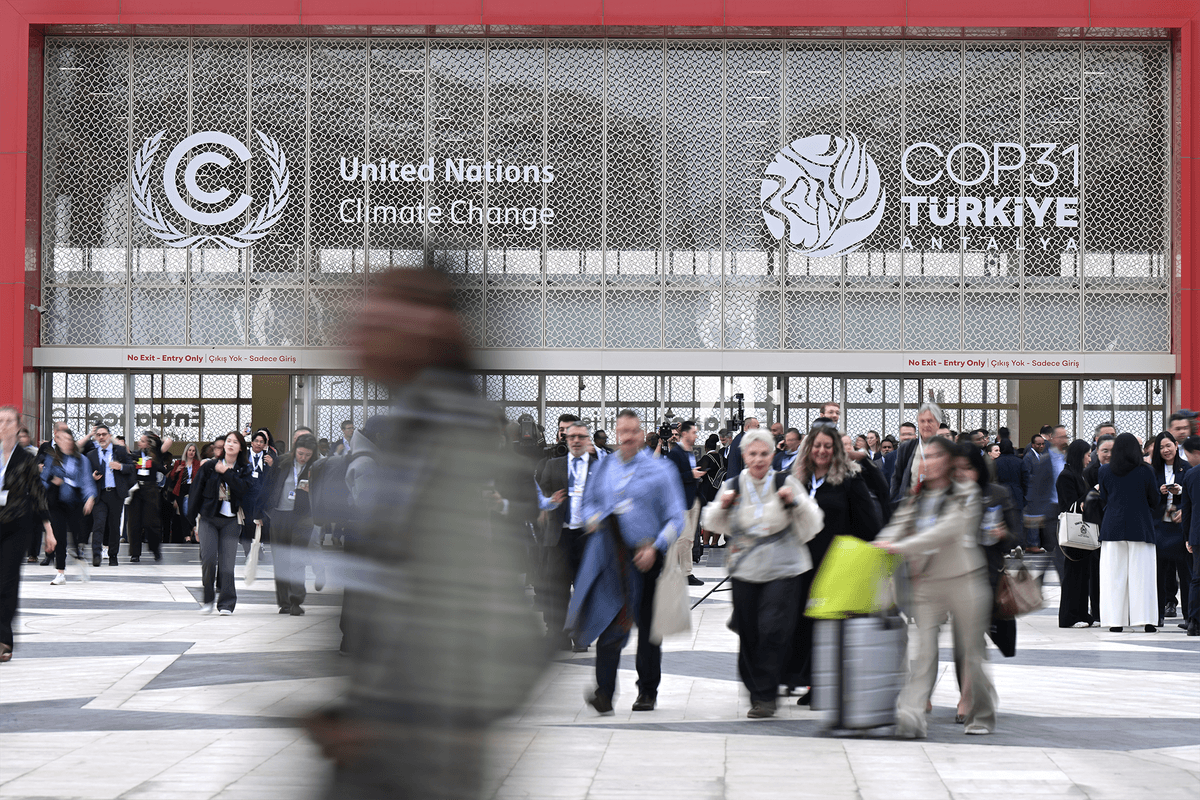
Now look at Antalya. COP31 is co-hosted by Australia and Türkiye, both of which are planning oil and gas expansion. The Leaders Summit program released in the lead-up to COP31 did not mention fossil fuels once. Australia, the President of Negotiations, is the world’s third-largest fossil fuel exporter, with 38 new fossil fuel approvals since 2022.
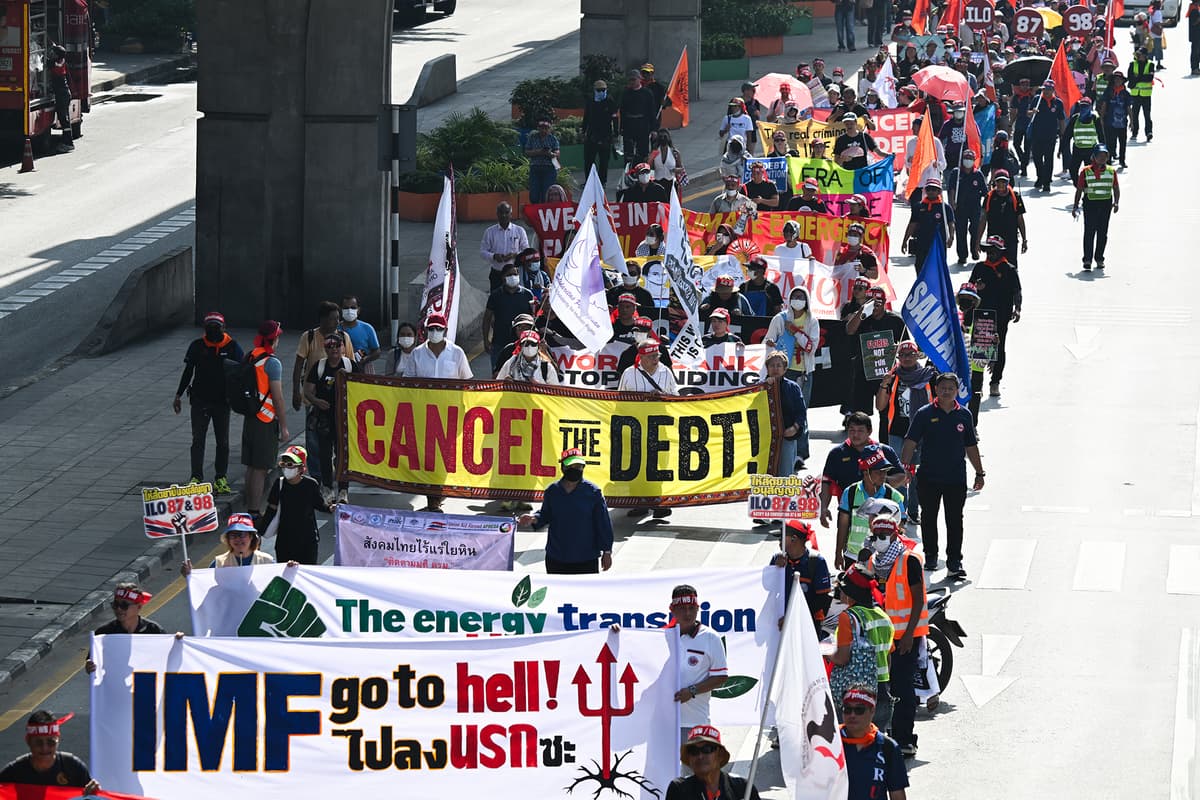
I’m not saying COP is irrelevant. But a process that needs consensus from the countries profiting from extraction and export will always be affected by those fossil fuel industry contracts. Communities are not waiting for it. They are in courtrooms, in submissions, on the blockades, stopping fossil fuel corporations from expanding their extraction and profits to act where governments are failing.
Louise Morris is Head of Fossil Fuel Transition at The Australia Institute.