Crossbench MPs and environmental groups have warned Australian taxpayers could be left exposed to billions of dollars in offshore oil and gas decommissioning costs unless Australia’s petroleum laws are urgently reformed.
It comes after a Federal Court judge ruled that Australia’s offshore oil and gas regulator was not required to be satisfied Santos had enough money for future decommissioning costs before approving the environmental plan for its Reindeer gas field in WA.
The Wilderness Society, which brought the challenge against the National Offshore Petroleum Safety and Environmental Management Authority (NOPSEMA), said the decision exposed a dangerous flaw in the legislation.
“The decision sends a stark message about our broken oil and gas laws,” said Fern Cadman, Fossil Fuel Industry Campaign Manager for the Wilderness Society.
“It’s gobsmacking that oil and gas companies can install massive offshore industrial infrastructure without first proving they have the funds set aside to clean it up.”
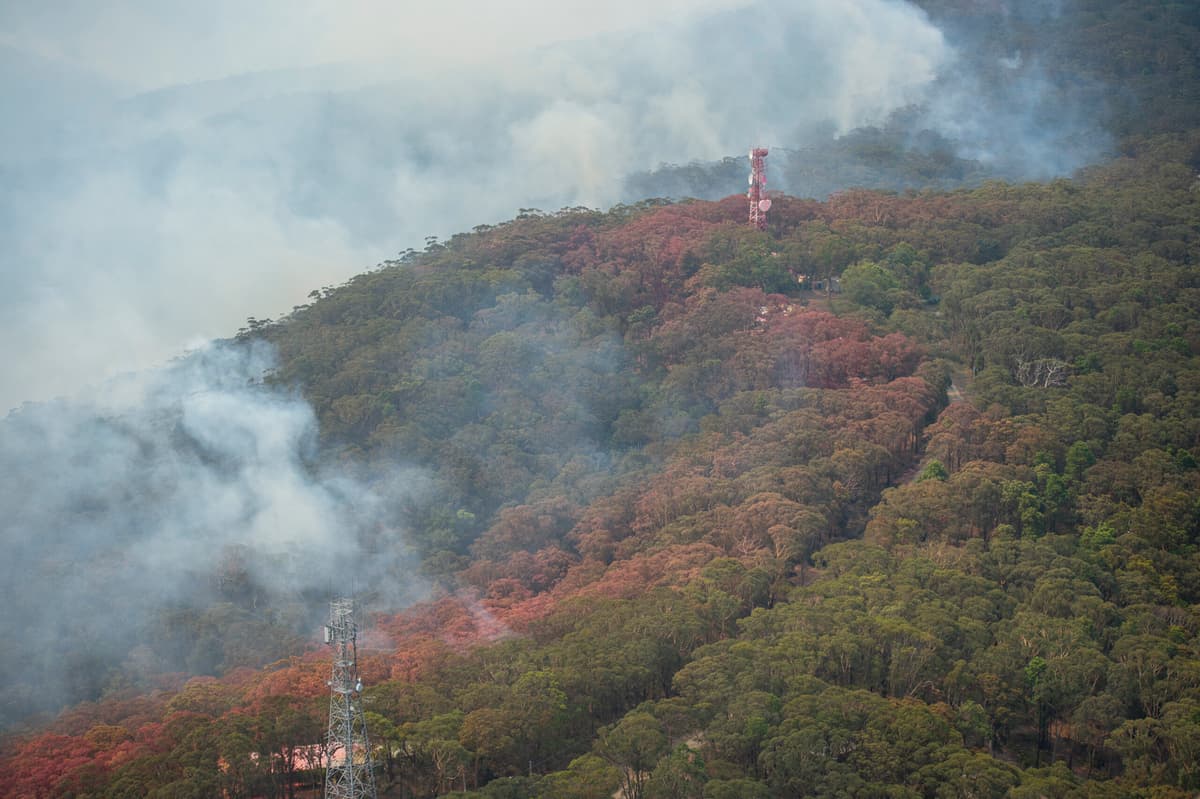
At the centre of the case was NOPSEMA’s decision to approve Santos’ plan to keep the Reindeer infrastructure in place off WA’s Pilbara coast for “future phases” – even though production ended last year.
“It took a small charity taking on the Commonwealth and Santos, one of the country’s biggest oil and gas companies, to expose this disgraceful interpretation of the law,” said Angie Moore from the Maritime Union of Australia.
The Member for Wentworth, Allegra Spender, urged the government to adopt a stronger regulatory framework.
“Renters are expected to pay a bond before they move in and a clean-up fee when they leave. Why are petroleum companies held to lower standards?” she said.
“Current settings create a moral hazard. There’s a strong incentive to delay decommissioning and clean-up, including through future, speculative projects.”
The independent MP said the risk was “not theoretical”, pointing to the insolvencies last month of two oil and gas companies that had been working to repurpose the Cliff Head oil platform off the coast of Dongara, WA.
Their collapse has left a $200 million decommissioning bill and a major question over who will sign the cheque.
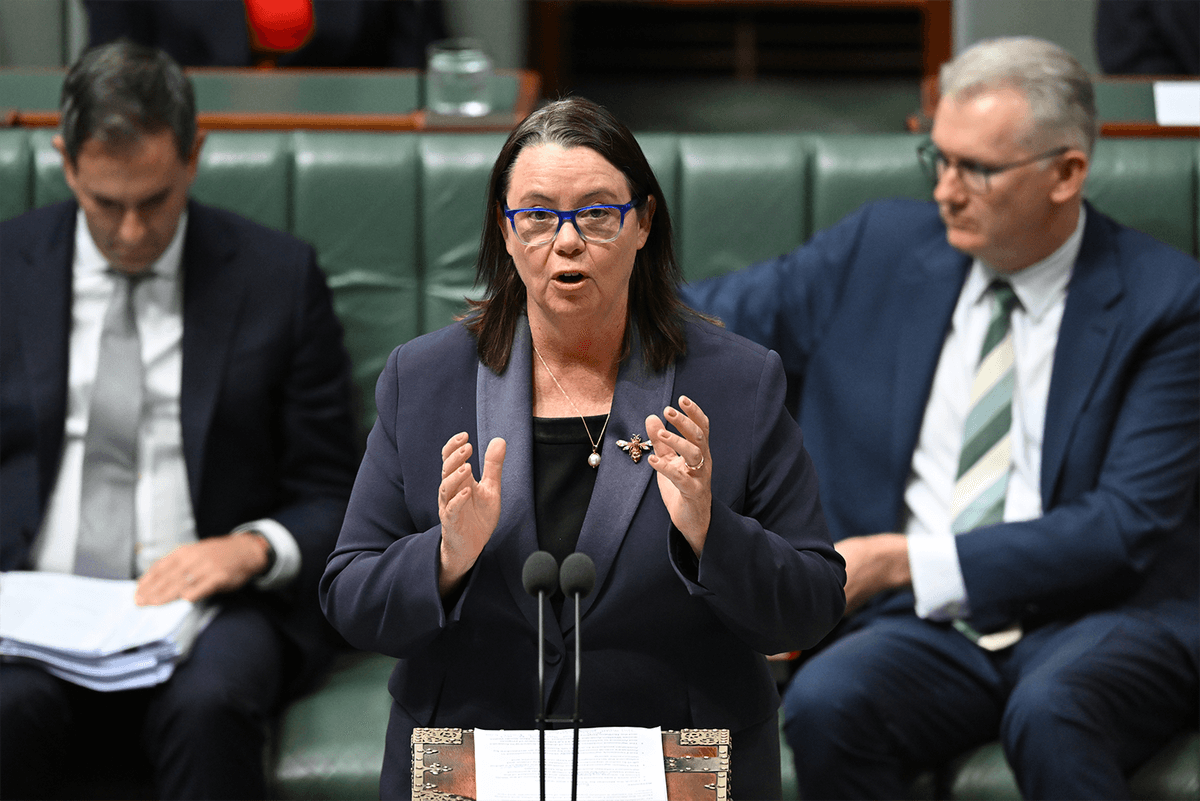
In a written statement provided to the ABC, federal Resources Minister Madeleine King said taxpayers would not be left to foot the bill and, if required, the government would extend an emergency sector-wide levy.
“In the event of companies being unable to pay I will have no hesitation in extending the Northern Endeavor levy or taking other measures to cover all costs of decommissioning.”
That levy was introduced following the collapse of Northern Oil and Gas Australia (NOGA), which entered voluntary administration in 2019 and liquidation in 2020, abandoning its Northern Endeavour floating production storage and offloading (FPSO) vessel, anchored 550 kilometres northwest of Darwin in the Timor Sea.
The Commonwealth was forced to step in, later awarding a $325 million contract for the first phase of decommissioning.
“Every offshore well and platform in WA waters will eventually need to be decommissioned. These costs must be borne by the oil and gas companies,” said Kate Chaney, the Member for Curtin.
According to the Australian Government, oil and gas titleholders will spend an estimated $60 billion to decommission offshore infrastructure over the next 30–50 years.
Member for Clark Andrew Wilkie argued the Commonwealth needed to put safeguards in place to protect taxpayers.
“History shows that some companies will do everything in their power to avoid a clean-up and remediation at the end of their exploration and resource extraction phases,” he said.
The Australia Institute advocated for a broader offshore oil and gas decommissioning levy, writing in its 2021 submission to a Senate committee that “there is no reason to believe similar incidents will not happen again.”
“Indeed, the 60,000 unfunded, abandoned mine sites on the Australian mainland suggest that further abandonments are almost certain,” it stated.
Member for Warringah Zali Steggall said a permanent, industry-funded decommissioning fund was the way forward.
“Australia has seen fossil fuel companies avoid their liabilities – either by falling into liquidation or by selling assets to subsidiaries with no means to pay for remediation,” she said.
“Current government safeguards are not sufficient to protect taxpayers from the huge subsequent liabilities.”
Senator Jacqui Lambie agreed, arguing that “they should have clean-up cash in a trust account and that should be part of the approval process”.
Member for Bradfield Nicolette Boele emphasised that it was a practice already being followed in other industries.
“Offshore wind developers already do this. They lodge the money with the Commonwealth before construction begins. All energy companies should meet the same standard,” she said.
They’ve urged the Albanese government to consider similar safeguards for the oil and gas industry and move quickly on the issue.
“These huge privately-owned companies have often generated enormous profit off the sale of our natural resources,” said Member for Kooyong Dr Monique Ryan.
“They have to be required to fully fund the decommissioning of their facilities and the rehabilitation of environmental damage that they have caused.”