

RBA needs to ‘regenerate’ the economy from oil-shock inflation, not destroy it
The Reserve Bank should use Gross Domestic Regeneration to distinguish imported oil shocks from domestic inflation – and avoid compounding the damage.
The latest corporate tax data released today by the Australian Tax Office (ATO) showed that once again, major gas producers are paying no company tax, and despite claims that changes to the Petroleum Rent Resources Tax (PRRT) would deliver “more revenue sooner”, the PRRT in 2024-25 raised less tax than in 2020-21.
Thu 1 Oct 2026 12.48 AEST
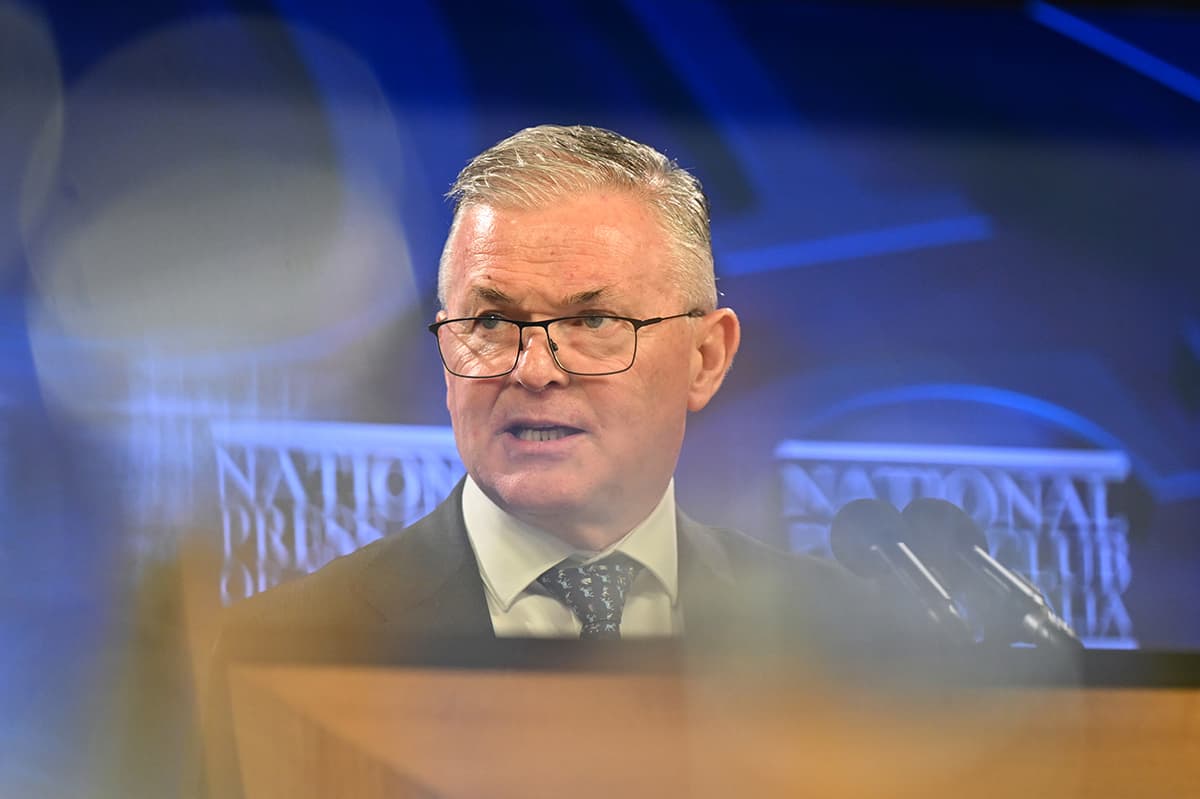
Photo: AAP Image/Lukas Coch


The Reserve Bank should use Gross Domestic Regeneration to distinguish imported oil shocks from domestic inflation – and avoid compounding the damage.
Drawing on research from six Australian and UK universities, a team from the Australian National University (ANU) and UNSW has launched the Carbon Impacts Tracer, which translates carbon dioxide emissions into estimates of real-world climate damage.

The latest corporate tax data released today by the Australian Tax Office (ATO) showed that once again, major gas producers are paying no company tax, and despite claims that changes to the Petroleum Rent Resources Tax (PRRT) would deliver “more revenue sooner”, the PRRT in 2024-25 raised less tax than in 2020-21.
The Corporate Tax Transparency figures each year reveal the amount of company tax paid by Australia’s companies with more than $100m in annual income.
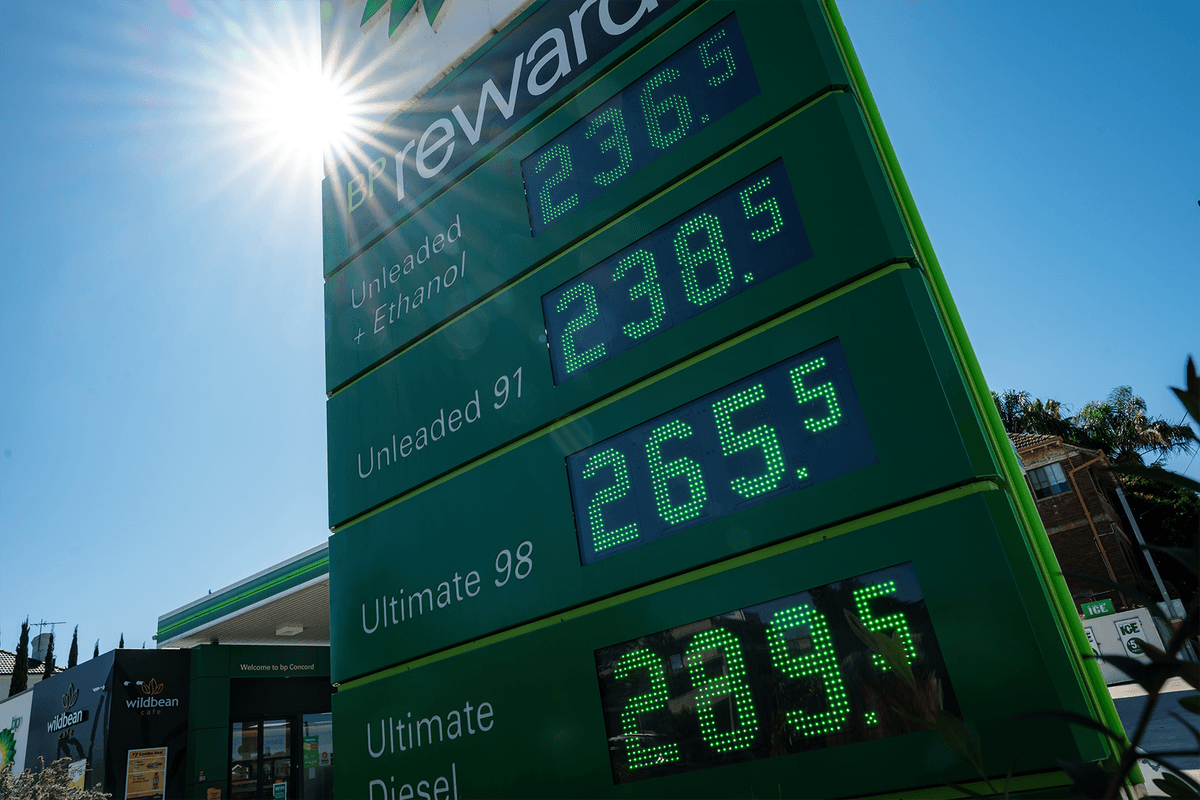
For Australians dealing with a cost-of-living crisis due to soaring oil prices that have led to huge profits for gas companies, the figures are a slap in the face.
For the 11th year in a row, Santos Pty Ltd paid zero company tax. ZERO.
Such a result might be tough to swallow, but we should remember that last month Santos’ CEO Kevin Gallagher appeared at the National Press Club, where he defended the tax paid by the gas industry saying, “It is a myth that Australia gets less out of its oil and gas industry than Norway and Qatar.”
This is objectively false given Qatar alone generates 5 times more revenue from gas than does Australia despite exporting slightly less LNG than Australia:
Gallagher also suggested that “Ours is an industry that needs no subsidies, nor asks for them. Yet, some of our leaders are quick to say we’ve lost our social license.”
Once again, that is false: in 2024-25, the government paid the oil and gas industry $85m in fuel tax credits, which the OECD regards as a subsidy, and 56% of the gas exported from Australia is royalty-free. I’m not sure what you would call giving an industry something for free is, but “subsidy” is probably the politest way to call it.
The data reinforces the need for a 25% tax on gas exports.
While Santos’ northwest shelf projects paid $254m in PRRT revenue, its onshore operation in Queensland that drives the vast majority of its profits are exempt from paying PRRT.
This is why PRRT revenue has failed to keep pace with the huge increase in gas exports in the past decade since the Gladstone LNG terminal opening in the mid-2010s:
In 2024-25, the ATO records that the PRRT raised just $1.8bn – the same as in 2022-23, despite the Albanese government making changes to the PRRT in the 2023-24 budget, which Treasurer Jim Chalmers suggested would mean the gas industry would pay “more tax, sooner”.
One major LNG export project that is not paying any tax or PRRT, let alone sooner, is the Inpex-run ICHTHYS project. In the 7 years of its operation, it has paid no company tax and no PRRT, and because it is offshore, it pays no state royalties.
Quality research, analysis, explainers and factchecks from experts you can trust.
Not one dollar, despite bringing in $52.9bn in sales:
Inpex is a Japanese company part-owned by the Japanese government. That would explain why earlier this year, in response to calls for a 25% tax on gas exports, the Japanese ambassador to Australia warned that “Japanese investors are saying, so if there’s a surprise, they just go to other countries.”
Well, that sure would be a shame. After all, if Inpex left, we would lose those zero dollars in tax revenue, zero dollars in PRRT and zero dollars in royalties.
Rather than zero dollars, a 25% gas export tax would raise $17bn a year. That would be a fair return and would no longer allow the gas companies, and their tax accountants and lawyers avoid paying tax despite raking in massive profits off the back of wars in Ukraine and Iran.
The gas companies are not the only ones avoiding paying any tax.
AGL Energy brought in $13.1bn in income but paid $0 in tax.
Adani Mining had $1.3bn in income; $0 tax paid.
Singapore Telecom, which owns Optus and which suffered a catastrophic failure of its network last year, brought in $8.3bn in income; $0 tax paid.
In June, after the changes to the capital gains tax discount, the CEO of Kogan Ltd, Ruslan Kogan, said, “When it comes to taxes, I don’t care if it’s a 90 per cent tax, as long as it’s actually making the country better for our children and giving us a better place to live in the future”, and suggested, “We don’t want people looking at Australia and going, ‘You know what? There’s some great opportunity for some really sick NDIS scams; there’s a really great welfare system; that’s the sort of country that I want to come to.”
Well, in 2024-25, Kogan Ltd had $642m in sales and paid $0 in company tax. It followed 2023-24, in which Kogan Ltd had $306m in sales; paid $0 tax, and 2022-23 in which it had $324m in sales; paid $0 tax; and 2021-22, in which it had $545m in sales; paid $0 tax.
All up, 1,213 companies with revenue above $100m paid $0 tax off the back of a combined $652bn in income.
Such figures demonstrate the ability of companies to avoid paying their fair share of tax, placing more of the burden on workers.