Australia’s coal mines are increasingly reliant on carbon credits to offset their emissions, according to new analysis from the Institute for Energy Economics and Financial Analysis (IEEFA).
Thu 3 Sep 2026 10.13 AEST
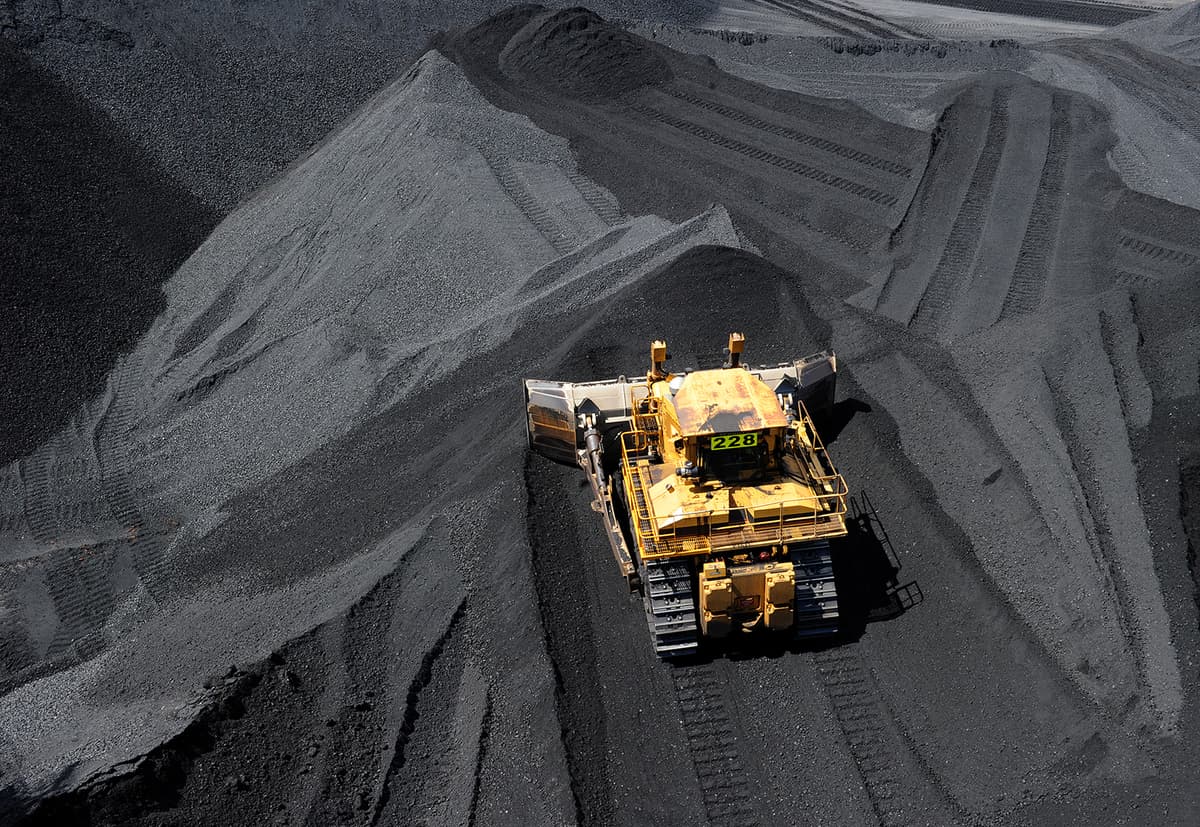
Photo: AAP Image/Dave Hunt

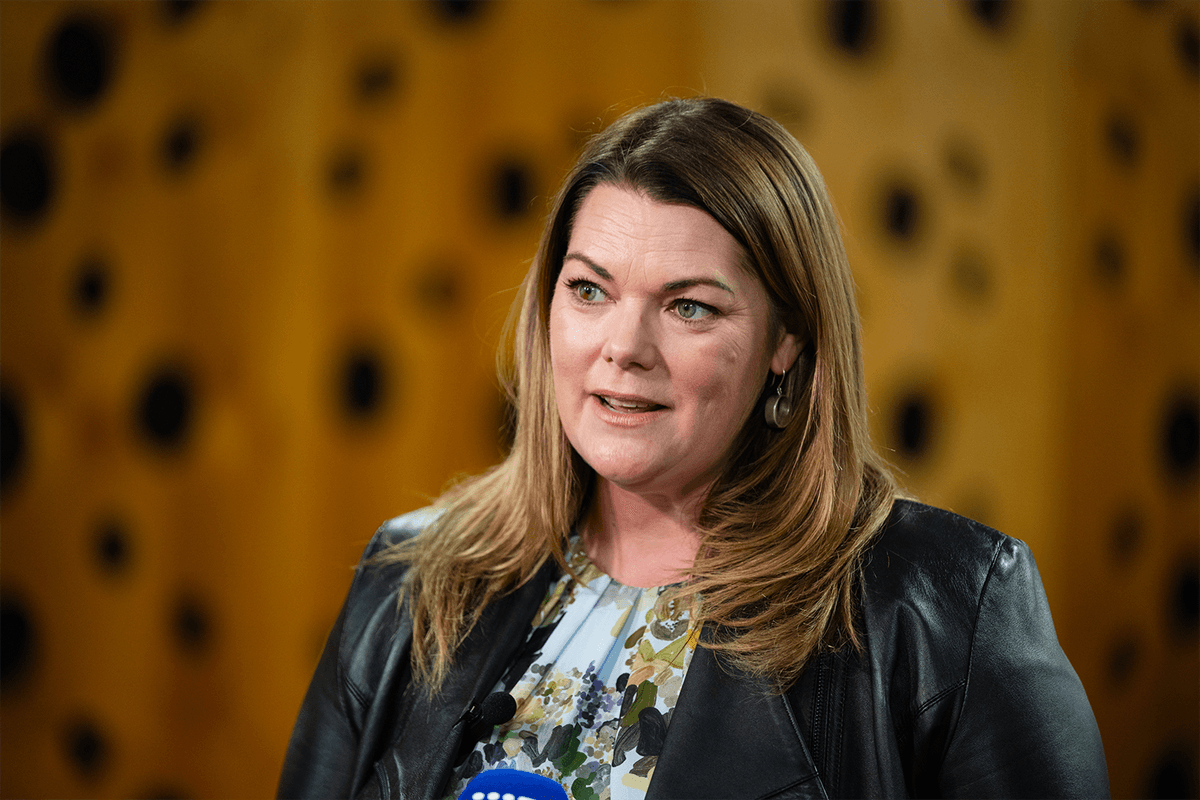
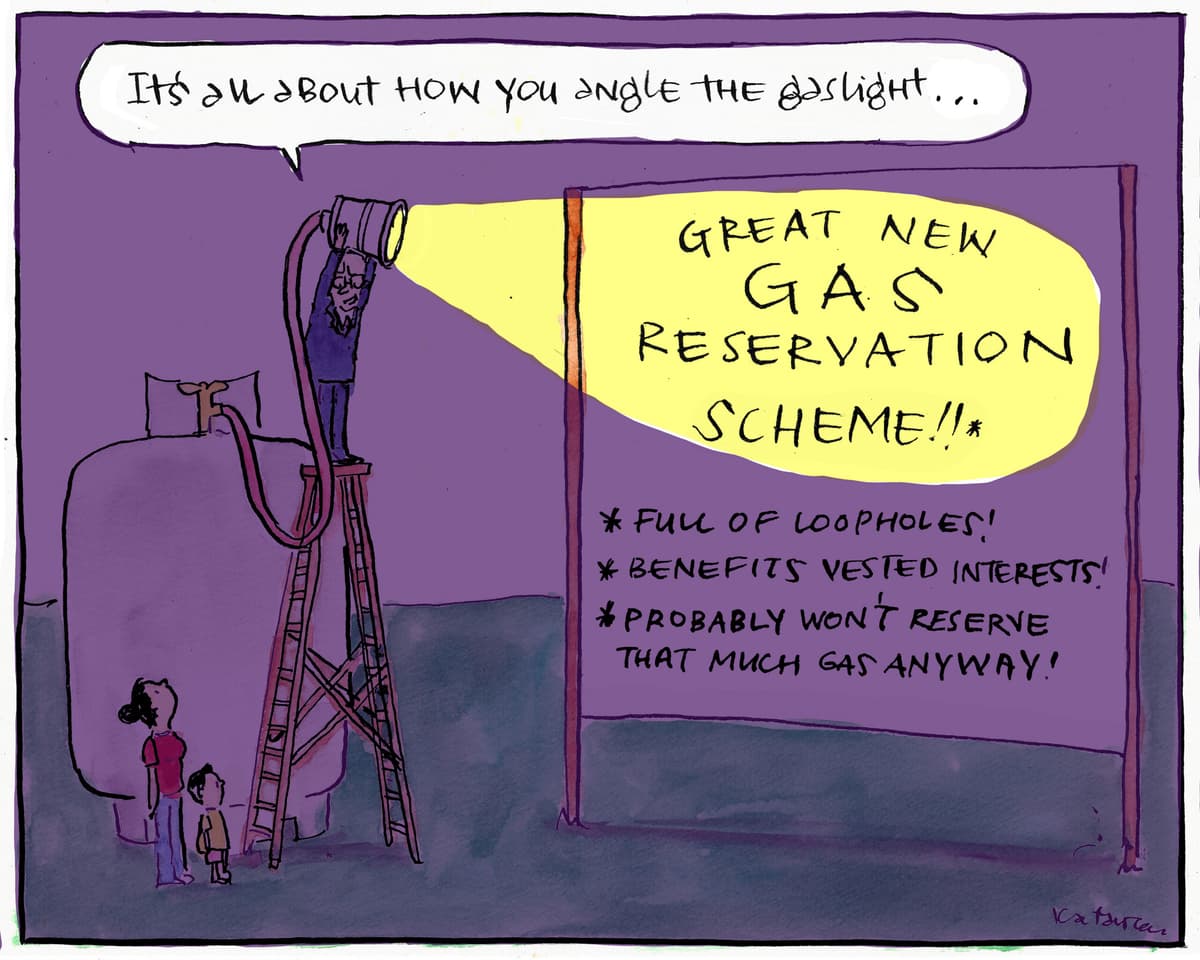
Greens Senator Sarah Hanson-Young said on ABC’s 730 last night that a 25% tax on gas exports would be “bigger and simpler” than Labor’s proposed gas reservation policy. She's right.
Australia’s coal mines increasingly rely on carbon credits to offset their emissions, according to new analysis from the Institute for Energy Economics and Financial Analysis (IEEFA).
IEEFA found that coal mine emissions increased by 0.4% to 31.8 million tonnes from 2022-23 to 2024-25.
“Coal production volumes in Australia are rising. While a global transition away from coal is underway, and some mines are nearing the end of their life spans, there is a large pipeline of new mines awaiting – and receiving – approvals,” said Andrew Gorringe, Energy Finance Analyst, Australian Coal at IEEFA.
Meanwhile, the coal sector’s efforts to reduce on-site coal mine emissions, such as by reducing “fugitive” methane emissions or by electrifying mining equipment, have largely stalled, with abatement activities limited to a handful of advanced projects.
“Coal mines are not engaging in sufficient levels of on-site methane abatement or implementing diesel decarbonisation,” says Gorringe.
“This problem should be a focus of the federal government’s current review of its key climate policy, the Safeguard Mechanism.
Rather than reducing their on-site emissions, coal mines buy carbon offsets. Coal mines used 6.4 million carbon offsets in 2024-25, almost half of all emissions covered by the Safeguard Mechanism. Coal uses nearly 2.5 times more offsets than the next highest sector, oil and gas, IEEFA found.
“This is a perfect example of how carbon offsets work to delay real climate action in Australia,” said Rod Campbell, Research Director at The Australia Institute.
“Coal mines could start using electric trucks. They could electrify their trains. They could better capture the methane in mine shafts. But they don’t do these things because it is easier to buy carbon offsets and keep on polluting.
“Australia and Kazakhstan are some of the only countries in the world that allow big polluters to use carbon offsets for 100% of their climate obligations.
Quality research, analysis, explainers and factchecks from experts you can trust.
IEEFA’s report highlights CSIRO assessments that show on-site abatement in coal mines is possible at significant scale for less than $11 per tonne of CO2e. Ventilation air methane (VAM) abatement at underground mines could improve emissions by 3.1Mt per year, with another 2.8Mt potentially coming from flaring or generating power from gas already being drained for safety.
These things can be done well below the carbon offset price of about $38 per tonne of CO2e. This paradoxical outcome has baffled some economists, who wonder why more on-site abatement is not happening. IEEFA identify three factors contributing to this problem.
First, the high upfront capital costs in relation to the delayed and uncertain financial benefit of emissions reduction over time. Decarbonisation capital generally loses out to the primacy of returning funds to shareholders.
Second, methane abatement at open-cut mines is also challenged by lower gas content in the coal than in underground mines. This raises the extraction costs and complexity for each tonne of methane abated.
Third, open-cut mines receive a rebate of fuel excise – the Diesel Fuel Tax Credit – worth $5.15 per tonne of coal produced. The rebate credits the excise already paid on diesel, while the SGM taxes diesel emissions.
This presents a lopsided incentive to burn more diesel: against the Safeguard cost of 14 cents, it is a ratio of nearly 40:1 in favour of continuing to use diesel.
The Fuel Tax Credit has long been controversial, with critics labelling it Australia’s largest fossil fuel subsidy.
“Australia ranks among the world’s largest exporters of coal, so we must ensure that the Safeguard Mechanism is fit for purpose in managing its emissions,” says Gorringe.
“If not, the coal industry’s emissions reduction agenda will increasingly depend on land-based carbon projects, crowding out other sectors that will be forced to carry the load on real emissions reduction.”