There was a time when having a decent job meant you could afford a decent home. You might not have been rich, but if you worked hard, you could pay the rent, cover the bills, and have something left over. For millions of Australians, that has fallen apart.

Thu 5 Nov 2026 01.00 AEDT
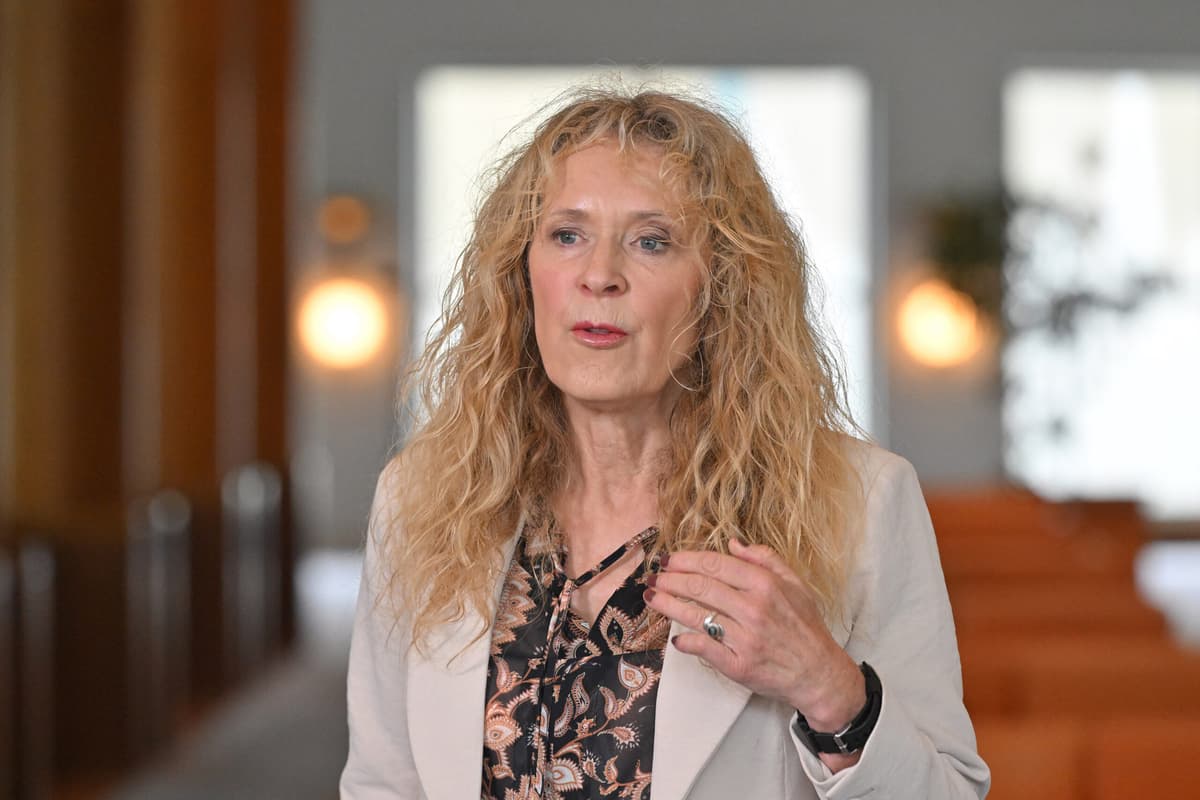
Photo: AAP Image/Mick Tsikas


There was a time when having a decent job meant you could afford a decent home. You might not have been rich, but if you worked hard, you could pay the rent, cover the bills, and have something left over.
For millions of Australians, that deal has fallen apart, and it’s not just people on the lowest incomes who are struggling. Nurses, teachers, aged care workers, cleaners and early childhood educators are finding themselves priced out of the communities they work in.
These are the people we rely on every day. They look after our children and older people. They staff our hospitals, keep our schools running, and do the jobs that make our communities work. And increasingly, they can’t afford somewhere to live.
Anglicare Australia’s latest Rental Affordability Snapshot looked at almost 49,000 rental listings across the country, testing whether they were affordable for sixteen different essential occupations. The results are staggering. Cleaners could afford just 0.8 percent of rentals. For hospitality workers, it was 0.7 percent. Retail workers could afford 0.9 percent.
This isn’t just a problem for workers on the lowest wages. Nurses could afford just 1.1 percent of listings. Aged care workers could afford 1.7 percent. Even teachers, who fared better than most, could afford just 3.3 percent.
These figures assume people are working full-time and earning adult award wages. For workers on casual or part-time hours, the reality is likely to be even worse – and it’s only going downhill.
Over the past year, wages have risen for many of these workers, but rents have risen much faster. Thirteen of the sixteen occupations we surveyed saw no improvement in rental affordability.
Some workers have fought hard for substantial pay rises, only to find that those gains barely make a dent in their housing costs. Take early childhood educators. Their wages have risen by at least ten percent over the past year. That’s a significant increase, and one they deserve. Yet they can still afford just one percent of rental listings across Australia. It’s a similar story for aged care workers, who have won historic wage increases after years of being undervalued and underpaid. Despite those gains, they can afford just 1.7 percent of rentals.
Of course, these workers need better wages. But they shouldn’t need a pay rise every year just to keep up with their landlord.
For years, the answer to Australia’s housing problems has been to build more homes in the private sector and leave the rest to the market – but there’s a problem with that approach. Building more homes doesn’t necessarily mean building homes people can afford. A new luxury apartment does little for a cleaner who can’t afford the rent. And a new investment property doesn’t help a nurse if the asking price takes up most of their pay.
The private market builds housing based on what people can be charged, not what they can afford. That’s why we need governments to do more than simply encourage developers to build.
Quality research, analysis, explainers and factchecks from experts you can trust.
It wasn’t always this way. Governments once took responsibility for providing affordable housing to workers. Public housing was a normal part of our housing system, giving working people and families somewhere secure to live.
Over decades, governments walked away from that responsibility. They cut back on public housing and instead poured support into policies that made property investment more attractive. We’ve ended up with a housing system that is very good at helping people build wealth through property, but increasingly bad at making sure everyone has somewhere to live. Now even essential workers are paying the price.
We need to turn that around. The first step is a major investment in public and community housing. Not a handful of new homes here and there, but a long-term commitment to building enough homes to make a real difference.
Public and community housing gives people an alternative to the private rental market, with rents based on what they can afford to pay. Building more of it would also take pressure off private rentals by giving more households somewhere else to live.
We also need limits on rent increases. Businesses routinely sign long-term leases with rent increases agreed in advance. They get certainty about their costs so they can plan for the future. Why shouldn’t renters have the same security?
People should be able to settle into a home without worrying that their next rent increase will force them out. They should be able to plan for their future, send their kids to the local school, and put down roots in their communities.
The consequences of failing to act go well beyond individual renters. What happens when a hospital can’t recruit nurses because nobody can afford to live nearby? When an aged care service can’t find staff? When a childcare centre can’t keep its educators? A community cannot function without the people who work in it.
For too long, Australia’s housing debate has been dominated by the interests of investors, developers and people who already own property. It’s time we started putting the people who need homes first.
Our essential workers don’t need another lecture about working harder or getting a better job. They’re already doing their part. It’s time our governments did theirs.
Kasy Chambers is the executive director of Anglicare Australia.

