The Treasurer has urged progressive voters to stop mocking, scolding and “cancelling” One Nation supporters, warning that dismissing those drawn to the far right risks deepening the divisions it seeks to exploit.
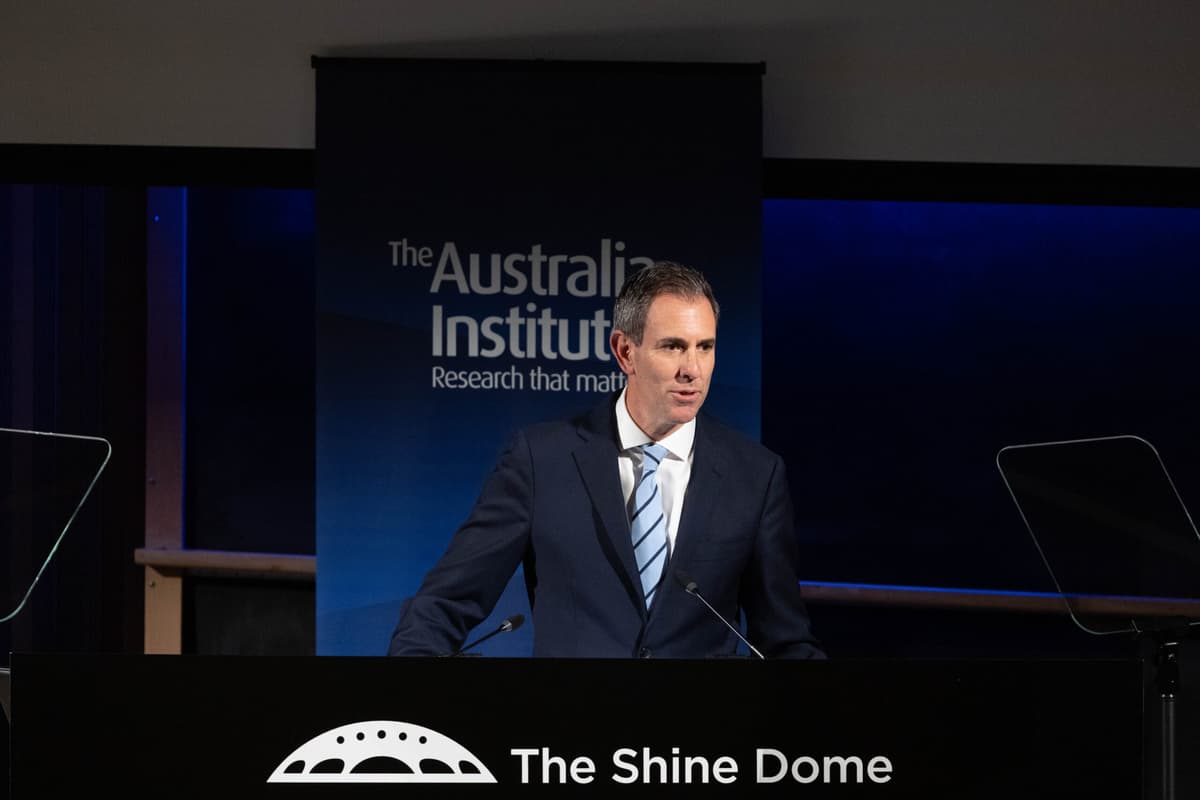
Jim Chalmers used his speech at The Australia Institute’s Bernie Fraser Oration to acknowledge that rapid changes in technology, industry, energy and geopolitics had “shifted the ground under people”.
“It’s made them feel more disconnected from opportunity, even disregarded, mourning a loss of control as change accelerates all around us. And all of this is then fed and fuelled, monetised, politicised, and catastrophised by algorithmic rage bait,” he said.
Dr Chalmers said the challenging times were a test not only for Australian households but also for governments.
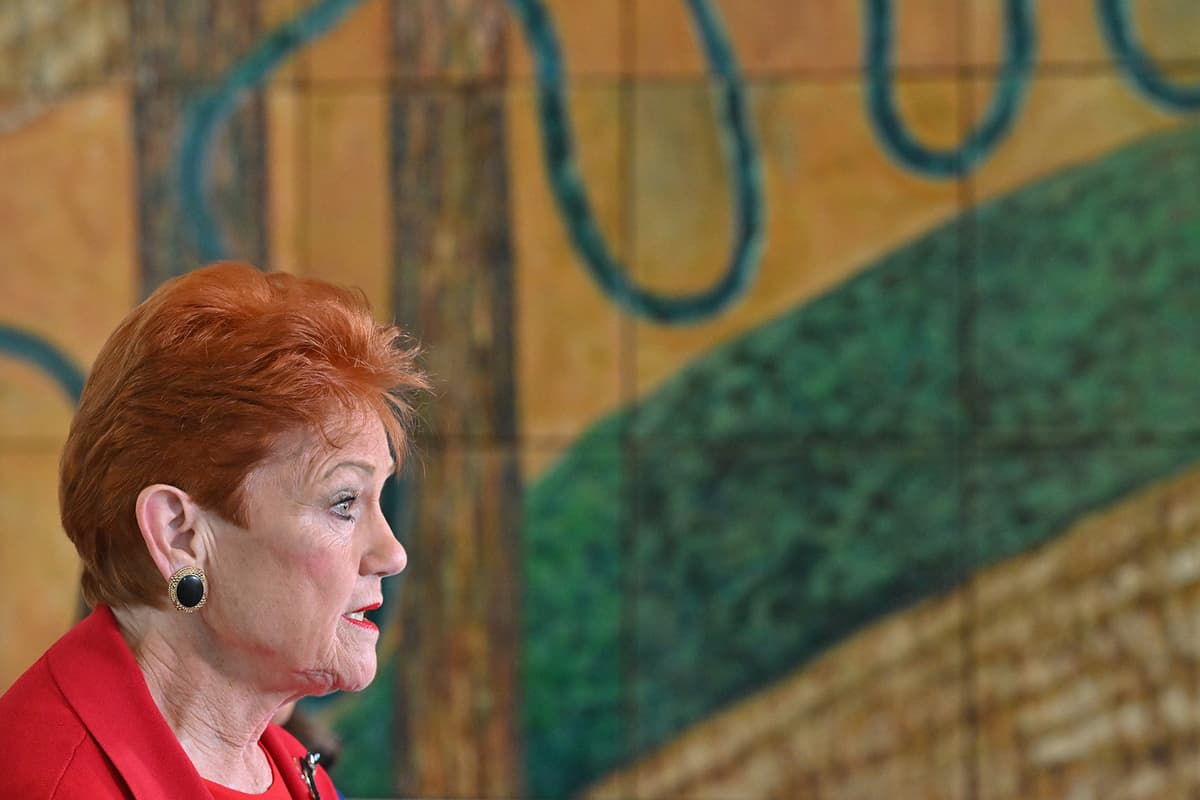
“They’re also a test of whether a country’s character falls to the level of its critics, whether we turn on each other or reach for the most comforting cultural war,” he said in a warning about Pauline Hanson’s One Nation.
“The far-right strategy is to divide people, and it’s working. Their goal is to talk down our economy so that their endless negativity becomes a self-fulfilling prophecy.
“Their core message is often clear, and sometimes, if we’re honest, it’s appealing to people.”
Pauline Hanson’s One Nation has seen a surge in popularity since the 2025 federal election, reaching 32 per cent of the primary vote in a post-budget poll in May and averaging 28 per cent support since June.
Dr Chalmers said the party’s support had doubled in the past year, but insisted he had never been complacent about its rise.
“We have all the facts to push back on this, but facts don’t beat feelings. Feelings are as real as facts.”
Get our newsletter
Quality research, analysis, explainers and factchecks from experts you can trust.
He said it was “normal” and “human” for people to be drawn to messages evoking an “idealised version of the good old days”.
“The past will always feel safe and familiar and desirable because, by definition, we understand it better than we understand the future,” he said.
“Our role as progressive people is not to scold those who see appeal in that message. It’s not to mock them, dare I say, cancel them, or talk down to them.”
Instead, he said progressives needed to understand the appeal of nostalgia while persuading those drawn to it that a return to the past was neither possible or desirable.
“The mission is to show that there is no going back to an imagined past. Yes, partly because it never really happened the way that they remember it, but also because we need to respond to the world as it is and not the world as it was,” he said.
“… to persuade working people that the path that we advocate, the path that we haven’t walked before, is actually the safer, more secure, and more prosperous path for them and for their loved ones.”
He acknowledged that One Nation’s popularity was unlikely to diminish overnight, arguing that Labor needed to address the financial pressures facing voters across the political spectrum.
“Nobody expects the polls to change much any time soon. It would be more surprising if they did,” he said.
But he argued that persuading voters required more than simply challenging One Nation’s message.
“You do that by starting not from a place of smug moral superiority, but from a place of genuine respect and understanding,” he said.