The middle of April each year is always when the pre-Budget noise grows louder, and the Government begins to frame the narrative. This year, the stakes are as high as any budget in recent memory.
The United States’ and Israel’s attacks on Iran, and the subsequent closing of the Strait of Hormuz, have very much highlighted to Australians just who benefits from an international oil crisis. While Australians saw their petrol prices rise, and worries about a recession permeated, one industry was laughing.
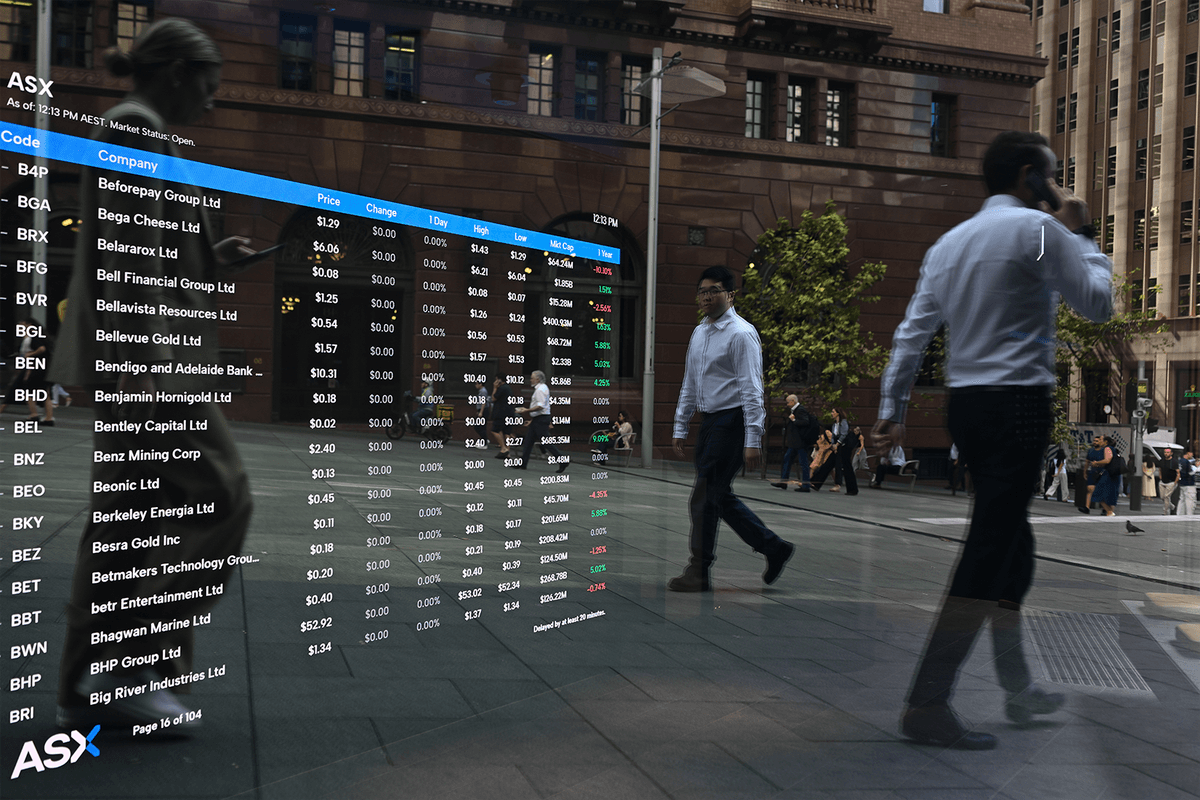
Even with the recent suggestions that peace talks will resume, the share prices of gas giants, Santos and Woodside, have remained well above where they were before the bombing began. While the overall Australian stock market is down 2.4% since 26 February, Santos’ share price is up 12%, and Woodside’s is up 17%.
This is what happens when oil prices surge due to war and gas prices, rising by more than 30% in a matter of weeks. All investors know is that both Santos and Woodside will not have to worry too much about paying any of their war-driven profits in more petroleum resource rent tax (PRRT), so it is not surprising the gas industry is laughing.
But this crisis has highlighted to Australians, in a manner stronger than ever before, just how much that laughter from the gas industry is directed at all of us.
This is why the government remains under pressure to introduce a 25% tax on gas exports.
Usually, in the middle of April, we would be reading news stories about how such a tax has already been ruled out or what had already been decided. Yet this week, the AFR reported that “the Albanese government is divided over whether to levy an additional tax on gas.” Governments hate news reports of division among their party, so this reinforces just how alive the fight remains.
And that fight is not going to die down any time soon.
Next week, the Senate will hold an inquiry into how we tax gas. The Australia Institute’s co-CEO, Dr Richard Denniss, will be appearing on Tuesday, commenting on our submission, which says that it’s time for a fair return on Australia’s gas resources.
Gas company executives will be there to try to sell their spin. Unfortunately for them, their lines no longer have the power to convince. The submission by ConocoPhillips – a company that has not paid any PRRT – was so bereft of ideas that it was reduced to boasting that it pays Payroll Tax, the Fringe Benefits Tax and the GST!
What is clear, however, is that pressure works.
Less than a month from the budget, it appears likely that the government is going to make changes to the capital gains tax discount and negative gearing. Less than a year ago, such a move would have dominated news coverage; now it barely rates a mention.
In the most recent parliamentary sitting period, despite the strong rumours that such changes were being contemplated, the Liberal Party did not ask any questions on the issue. This is often the case with issues that were once deemed too politically hot to touch. As we saw with changes to the Stage 3 tax cuts, what looked politically impossible beforehand quickly becomes politically smart once initiated.
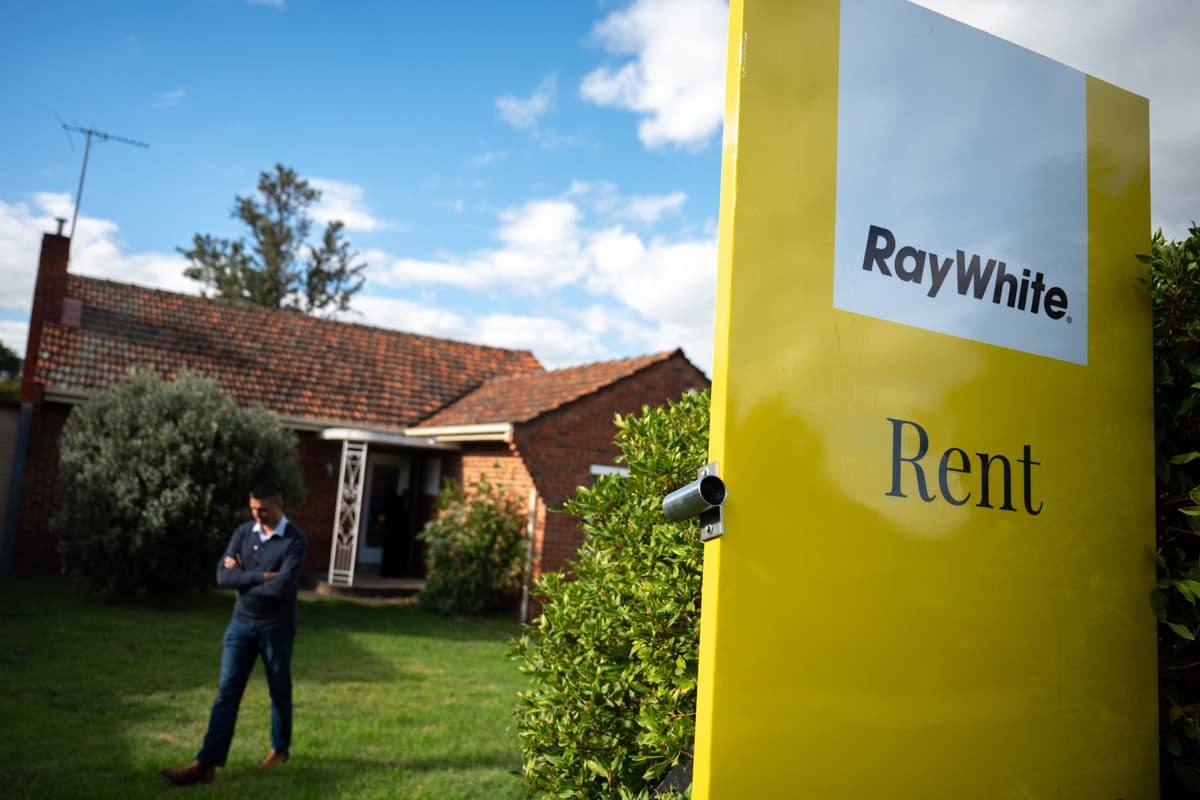
Australians know – as we at The Australia Institute have been saying for nearly 20 years now – that the capital gains tax discount drives up house prices and overwhelmingly benefits the wealthiest – and does so in a way that puts housing out of reach for many Australians. The facts never changed, but it took years of hard work to get to a point where politicians are unable to ignore them.
Less than 6 months ago, capital gains tax and negative gearing changes were incorrectly blamed on Labor losing the 2019 election; now those changes are considered obvious and uncontroversial.
This is why even with just 4 weeks to go before the budget, the fight to change the way we tax gas continues.
Things might seem impossible and yet support for a gas tax is now mainstream. Support comes from voters across the political spectrum, economists such as former Treasury secretary Ken Henry, the union movement, and even Commonwealth Bank CEO Matt Comyn, who earlier this month suggested a new gas tax because “there are resources we are not valuing as a nation”.
This has gas companies panicking. Their usual fear campaigns are not working. They have gone from spreading fears about supply, to scares about investment, to raising alarms about national security. All because everything they throw at the wall is not sticking.
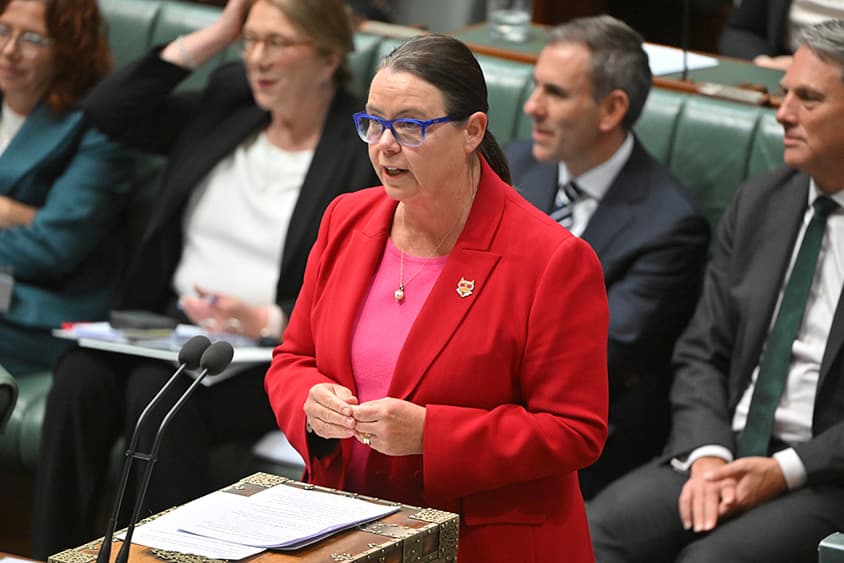
But they continue to have powerful allies. Resources Minister Madeleine King continues to be as adept at spouting gas industry spin as anyone, and the Prime Minister has very much earned a reputation for not wanting to upset any powerful groups.
The worry is that if they do something, it might be a fudge – a so-called “windfall profits” tax that will just let lawyers and accountants work their magic and ensure no tax is ever paid.
And so, the fight will go on. All the way to 12 May, and beyond if needed.