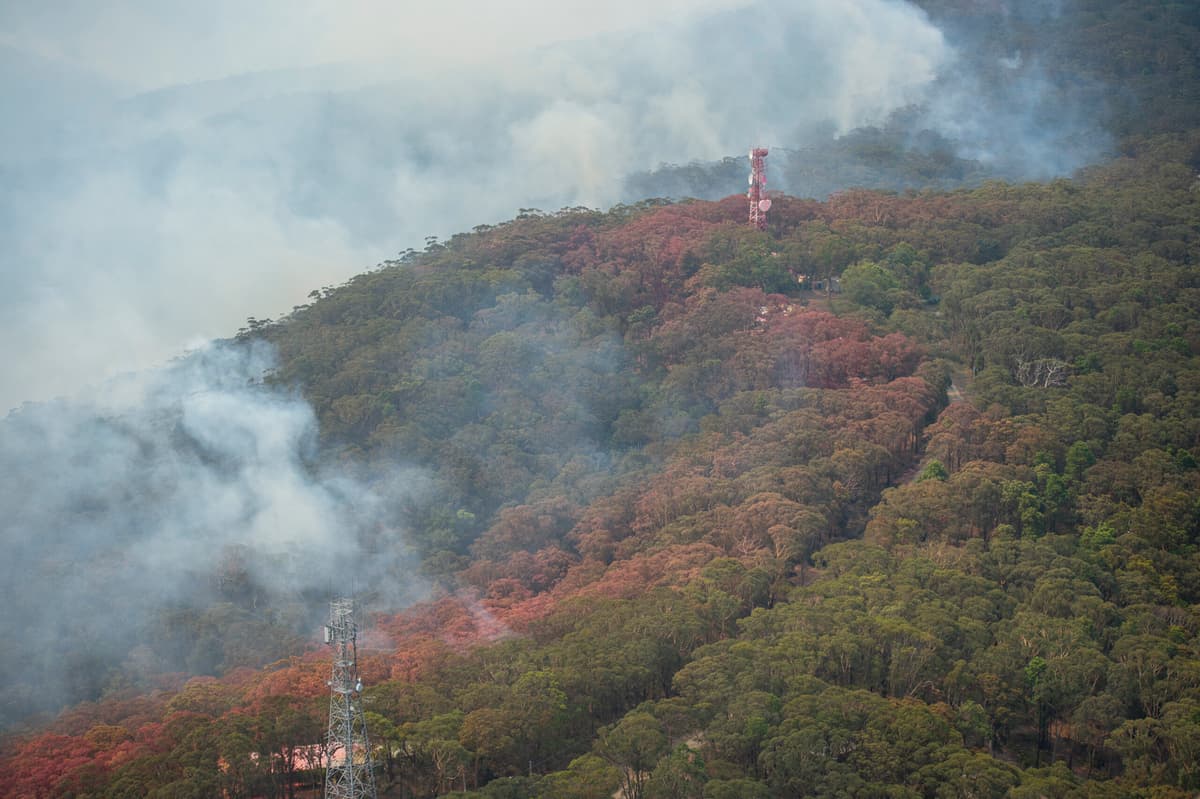
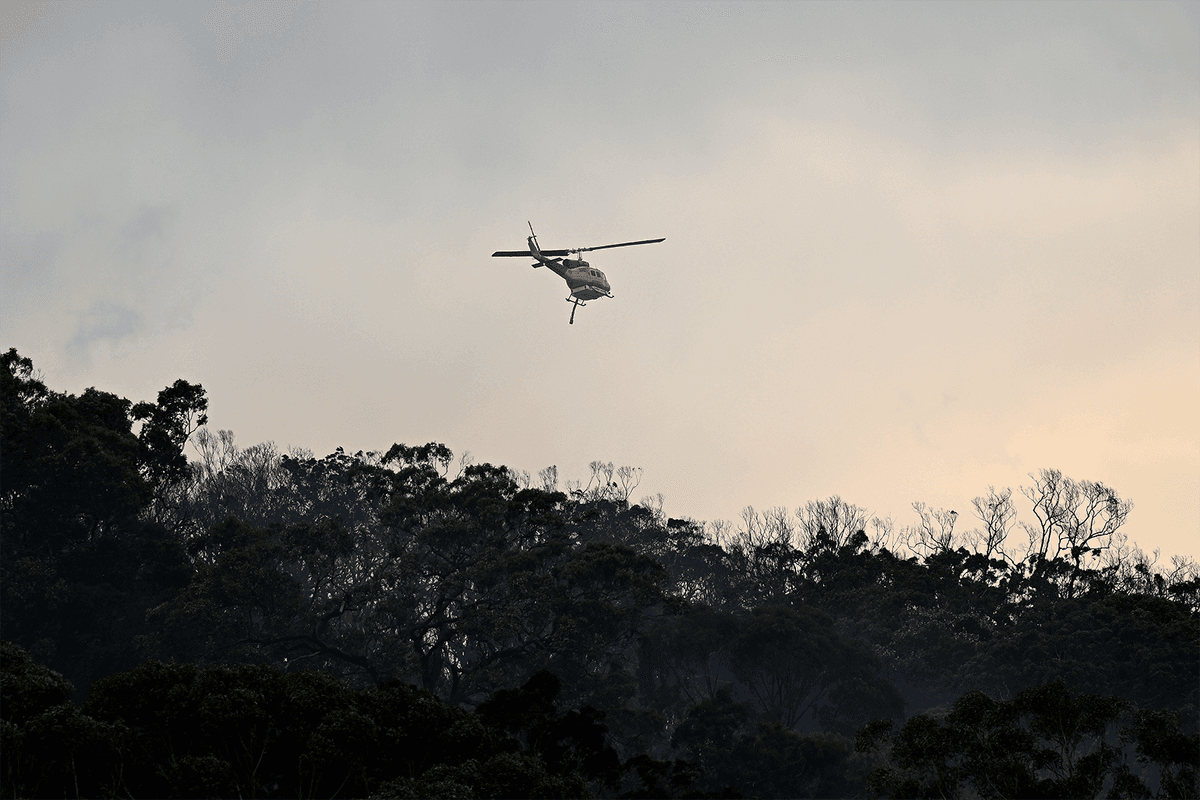
The Albanese Government is facing accusations of “performative” climate policy amid concerns Australia is headed for a carousel of crisis with no brake to stop it.
“There is no part of Australia where we are immune,” said climate scientist and a lead author of Australia’s first National Climate Risk Assessment report, Dr Andrew Watkins at a panel discussion convened by Climate Communications Australia and hosted by the Royal Society of Victoria.
The report, released last month, warns of more frequent and intense natural disasters, significant increases in heat related deaths, acidifying oceans and a possible $600 billion wiped from property values nationwide by 2050.
However, the Australia Institute’s co-chief executive Dr Richard Denniss says the Labor Government shouldn’t be patting itself on the back.
“What’s worse? Denying the science or denying the need to act on the science? Because I don’t think history is going to remember either very favourably.
“There’s an insincerity in saying, I believe the science, I even commissioned a report. I’m just going to ignore all of the simple things I could do.”
Dr Denniss said the obvious place to start would be to stop approving new coal and gas projects.
The report was released just days after the Albanese Government gave the final green light to a 45-year extension of Woodside’s North West Shelf gas export terminal in Western Australia.
Political choreography, according to Dr Denniss. “The timing wasn’t ironic. It was cynically calculated,” he said.
“They didn’t want it out before they gave the final approval for North West Shelf. However, they still want to put it out early enough in this term, so that it’s forgotten by the time we get to the 2028 election.”
The Albanese Government gave the green light to 27 new coal, oil and gas developments in its first term. Four new approvals this term brings its total to 31.
Dr Denniss said it’s time governments stopped using the economy as an excuse.
“Whaling used to be a big employer. We used to have asbestos mines. Go back 100 years, 1925, more than 20% of Australians would have worked in agriculture.