

New research from the Australia Institute’s Centre for Future Work has revealed that Australia’s poaching of skilled health workers from Pacific Island nations is leaving their health systems on the brink of collapse.
Thu 11 Dec 2025 10.00
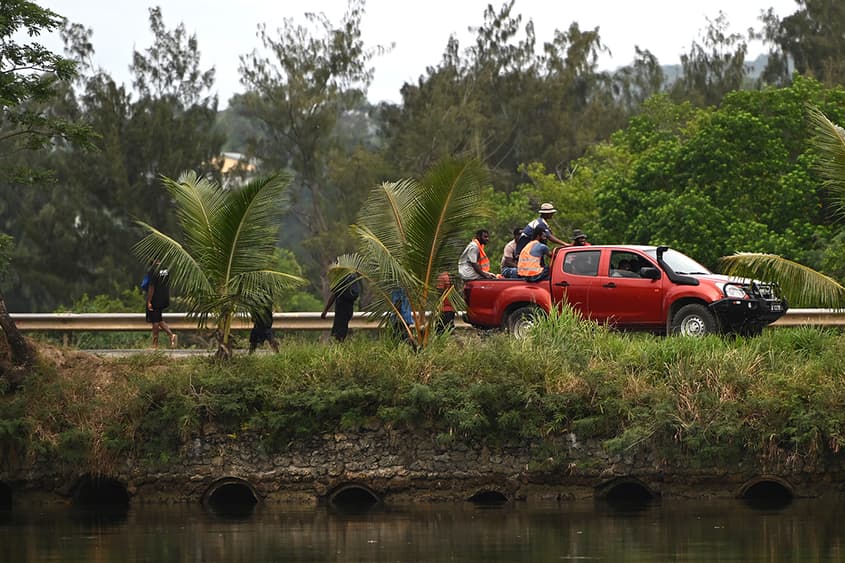
Photo: A transport vehicle with workers crosses a river in the Korman area on Efate Island, Vanuatu, Friday, July 18, 2025. (AAP Image/Joel Carrett)


New research from the Australia Institute’s Centre for Future Work has revealed that Australia’s poaching of skilled health workers from Pacific Island nations is leaving their health systems on the brink of collapse.
The report also found workers are being deskilled, underpaid, and exploited once they arrive in Australia.
“Workers have the right to cross borders for a better life for themselves and their families,” said Dr Fiona Macdonald, Director of the Australia Institute’s Centre for Future Work.
“But the current system is broken.”
Care workers have been added to the Pacific Australia Labor Mobility (PALM) scheme, which was traditionally aimed at seasonal agriculture workers such as fruit pickers.
This change has led to skilled health workers, such as nurses, quitting their jobs to take up better paid, but lower skilled, jobs in Australia.
“It is rich countries taking from poor countries and giving nothing back,” Ms Macdonald said.
“Australia and New Zealand are offloading their own care crises to their Pacific neighbours.”
The report highlighted the poor state the health systems in Fiji, Papua New Guinea, Samoa, the Solomon Islands and Vanuatu.
It found many health services and hospitals have been operating at 30-40 per cent capacity, or lower.
It also revealed that Pacific workers in Australia are vulnerable to poor treatment, due to their visa status.
“Australia has vowed to invest in the health systems of its Pacific neighbours, not destroy them,” she said.
“It should be helping to build better, safer health facilities and train workers, not lure them away.”
Dr Macdonald said international schemes like PALM are in need of “urgent reform”.
“We are taking workers out of a system already at breaking point, giving them jobs which are below their skill level and failing to protect them from exploitation and mistreatment,” she said.
“Reform should start with meaningful dialogue with the workers themselves.”
Advertisement
It isn’t always easy to keep up with what’s happening in the US. “Shorter America” is a series where Dr Emma Shortis loops you in on what’s going on in America and shares news and analysis that you can trust.
While the initial Israeli and US air strikes on Iran are legally very dubious, the pace with which the war has escalated will result in those significant legal issues being set aside – for the time being at least.
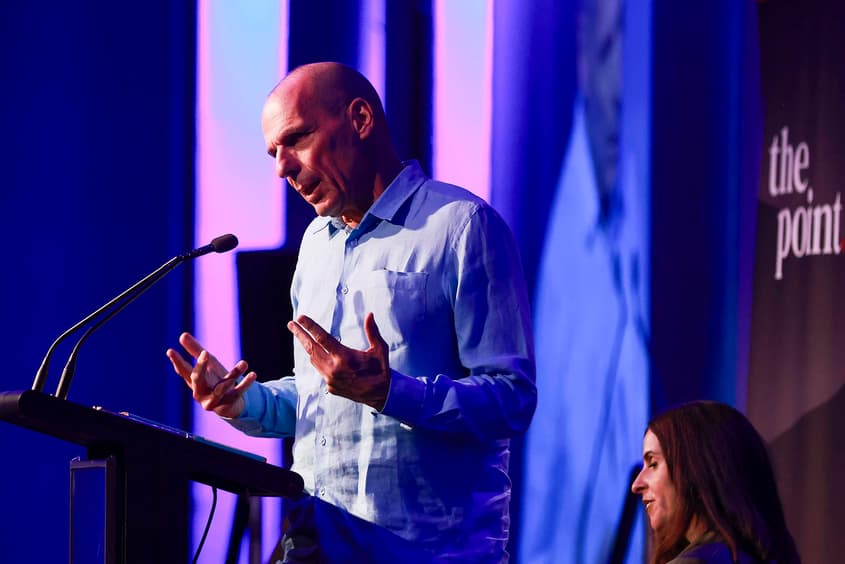
Former Greek finance minister and economist Yanis Varoufakis has warned that fascism is re-surging in global politics, with extremist ideas gaining influence even in countries where the far-right is not in power.
Australia’s AUKUS agreement has dragged the country into the Trump administration’s war on Iran with Prime Minister Anthony Albanese accused of obfuscating the country’s involvement.
