40 countries urged the Albanese Government to raise the age of criminal responsibility from ten to 14 years, bringing it into line with internationally recognised standards.
Thu 29 Jan 2026 15.00
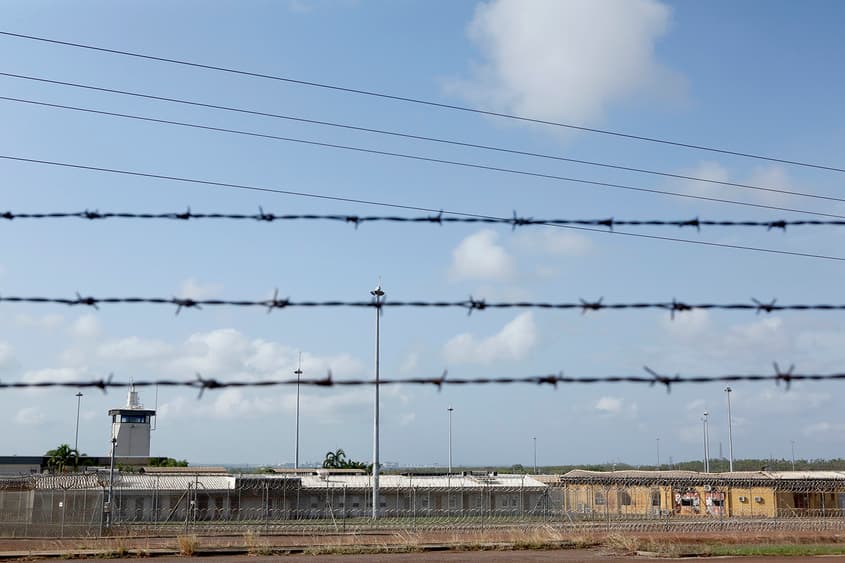
Photo: AAP Image/Glenn Campbell


Human rights advocates are calling for the Australia Government to stop violating children’s rights and locking them up in “cages” as the country faces renewed calls to increase the minimum age of criminal responsibility.
Australia’s human rights record was laid bare during the UN Human Rights Council’s five-year peer review in January, with more than 120 countries making around 350 recommendations.
“As a wealthy, stable democracy, Australia should be leading the world on human rights,” said Australian Human Rights Commission (AHRC) President Hugh de Kretser, who was in Geneva for the review. “This review highlighted many areas where we can and must do better.”
40 countries urged the Albanese Government to raise the age of criminal responsibility from ten to 14 years to bring it into line with internationally recognised standards.
Change the Record CEO Jade Lane welcomed the global call to action.
“Our kids are having their fundamental rights violated daily, arbitrarily detained, exposed to torture and inhumane conditions as young as 10 years old,” she said. “Kids belong in their communities – thriving, not in cages and the international community agrees.”
In most states and territories the age is set at 10, however there has been some movement in the past several years. The ACT was the first to gradually increase the age to 14 years in 2025, while Victoria and the Northern Territory raised it to 12, in 2024 and 2022 respectively. The NT has since reversed the previous government’s decision.
The Albanese Government has been called on to establish a national standard that prohibits children under 14 being arrested, prosecuted, and jailed.
“Australia cannot continue to falsely represent itself as a champion of human rights, ignoring the condemnation on the treatment of our children from the international community,” said Ms Lane.
The Universal Periodic Review (UPR) review noted that Aboriginal and Torres Strait Islander people remain overrepresented in the criminal justice system.
“The strongest concerns raised by countries went to the rights of First Peoples, particularly around inequality, racial discrimination and justice outcomes,” noted Mr de Kretser.
Co-Chair of the Indigenous Peoples’ Organisation Australia Cathryn Eatock said the review “once again highlighted the chronic failure to close the gap nor address the fundamental needs of Aboriginal and Torres Strait Islander peoples”.
The UN advocates for Indigenous peoples to have self-determination – the fundamental right to shape their lives and communities. Victoria is leading the way in Australia by establishing a treaty.
Advocates say now is the time for the Albanese Government to move.
“A national treaty will provide representative governance and reparations to meet our needs, to build strong and resilient communities,” said Ms Eatock.
Concerns were also raised about Australia’s treatment of refugees and asylum seekers, disability rights, and the country’s approach climate change.
“The international community has called on Australia to act to improve the rights of First Nations people, refugees, people with disability and women,” said Human Rights Law Centre CEO Caitlin Reiger. “No country is above the law and Australia’s duties under international human rights law are clear.”
Ms Reiger backed the adoption of a Human Rights Act in Australia.
“It is the fundamental missing piece in Australia’s human laws and will ensure everyone is treated with dignity, equality and respect.”
Mr de Kretser supports that view and the call for the Albanese Government to implement the legislation.
“It would prevent human rights violations and give people the power to take action if their rights are breached.”
Advertisement
In addition to obvious economic benefits, growing overseas audiences for our artists could also address growing Americanisation here at home.
Students are navigating their first school year under Australia’s new social media ban, but the impacts of the ban may be unevenly felt.
How much does an abortion cost in Australia? And why are these costs – for essential healthcare – paid by individuals rather than by our public health system?
PM Albanese rocks band t-shirts and Arts Minister Tony Burke plays the guitar in his office. It would be a shame if they oversaw an unprecedented decline in Australian music.