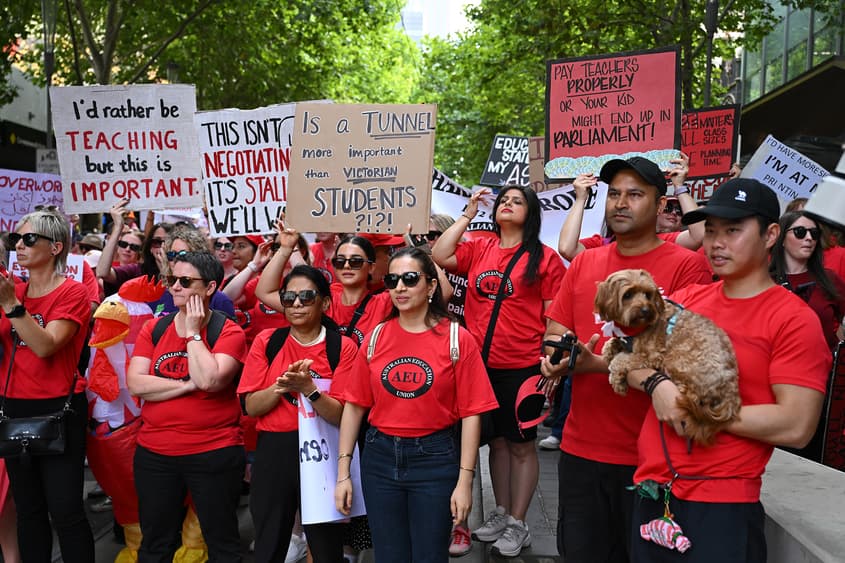
Welfare advocates are calling on the employment minister to suspend compulsory “mutual obligations” for Centrelink recipients, amid concerns rising fuel prices will prevent them from attending compulsory meetings.
Thu 26 Mar 2026 01.00

Photo: AAP Image/Dean Lewins


Welfare advocates are calling on the employment minister to suspend compulsory “mutual obligations” for Centrelink recipients, amid concerns rising fuel prices will prevent them from attending compulsory meetings.
The Antipoverty Centre said it is “unacceptable” that people in poverty are being forced to “spend even more of the little money they have” on fuel or taxis.
According to GlobalPetrolPrices, Australia has seen the steepest increase in fuel prices in the developed world, with unleaded 95 rising by 42 per cent and diesel surging by 52 per cent.
“There is no benefit to forcing people to do in-person appointments or other activities that they do not find useful. Appointments can easily be done over the phone or online,” said Antipoverty Centre spokesperson Jay Coonan.
The centre has written to Employment Minister Amanda Rishworth urging the Government to stop all compulsory activities.
“It is absurd to continue forcing people to drive for such pointless reasons,” Mr Coonan said.
Mutual obligations are tasks and activities jobseekers are required to undertake while receiving Centrelink payments, with penalties for non-compliance.
As reported by The Guardian Australia, Greens Senator Penny Allman-Payne has written to Treasurer Jim Chalmers, arguing jobseekers should not be forced to attend mandatory appointments or “travel to Work for the Dole sites to do unpaid labour”.
“People forced to survive on these poverty payments have been smashed by the cost-of-living crisis,” she said.
The Greens are calling on the Albanese Government to provide federal funding to states and territories to make public transport free, for as long as the crisis continues.
The global oil shortage triggered by escalating conflict in the Middle East has prompted the International Energy Agency to encourage more people to work from home, take public transport and limit air travel.
It has also suggested reducing speed limits on highways by at least 10 km/h.
Energy Minister Chris Bowen told the ABC’s Insiders program that working from home was “a sensible thing to do”, but it was not a “one-size-fits-all” solution.
“There are other people to whom that’s not an option, you know, and I think people would already be looking at their options to minimise their use at the moment.”
However, welfare advocates say that flexibility has not been extended to people on Centrelink, who still face penalties if they fail to attend in-person requirements.
“Privatised welfare compliance should not have the power or discretion to force people to travel,” said Mr Coonan.
“Minister Rishworth must step in and stop all penalties to ensure the abuse is not compounded by fuel costs that are increasingly unbearable for people in poverty.”
He added that, even before the fuel crisis, the system had been plagued by problems.
“We know the system of privatised welfare cops in charge of forcing poor people to do activities and stopping their Centrelink payments is full of abuse,” he said.
“We know these so-called job agencies routinely use their discretion to pressure people into inappropriate activities.”
In August 2025, the Commonwealth Ombudsman found that 964 jobseekers had their income support payments unlawfully cancelled between April 2022 and July 2024 due to chronic maladministration.
A subsequent report found the department’s remediation approach and cancellation decisions “not to be fair and reasonable”.
“Stigmatisation of unsuccessful job seekers as people who are reluctant to accept employment may contribute to the limited oversight of providers and possible narrow administration of the program,” noted Commonwealth Ombudsman Iain Anderson.
Combined with the 50 basis points rise in February and March in less than 2 months households are paying the equivalent of a 90 basis point rise in interest rates.

Advertisement
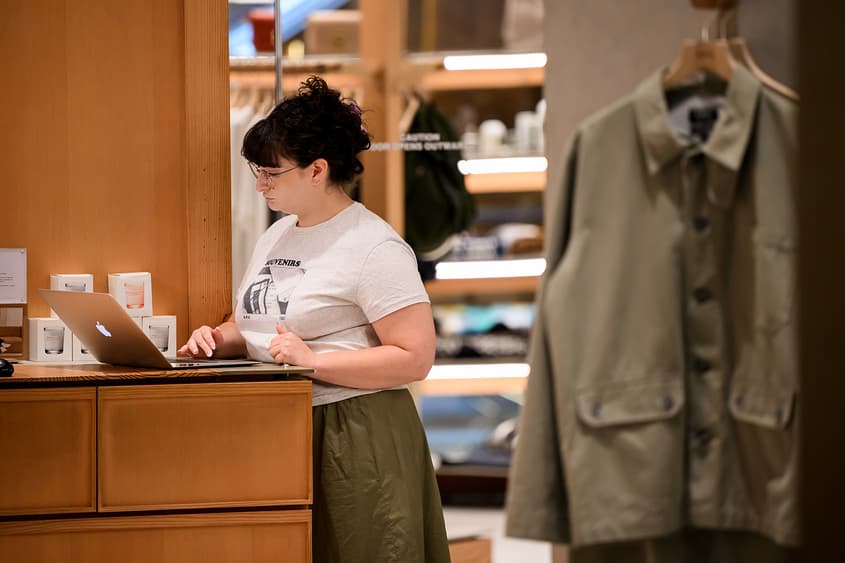
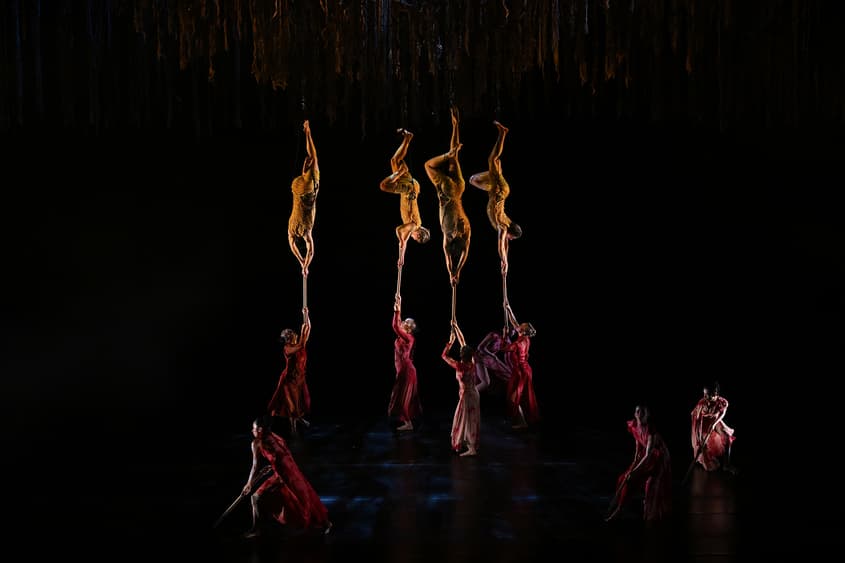
Artists, authors, musicians and other creatives have a huge impact on Australian culture, how Australians see themselves, and how the world sees Australians. Australia’s arts and culture cannot be produced overseas, and cannot be moved offshore. It can only be made here.
Most people have a nostalgic story to tell about their favourite teacher. We often invoke them when teachers are bargaining for better pay and conditions, or when another story of violence in schools reaches the headlines.