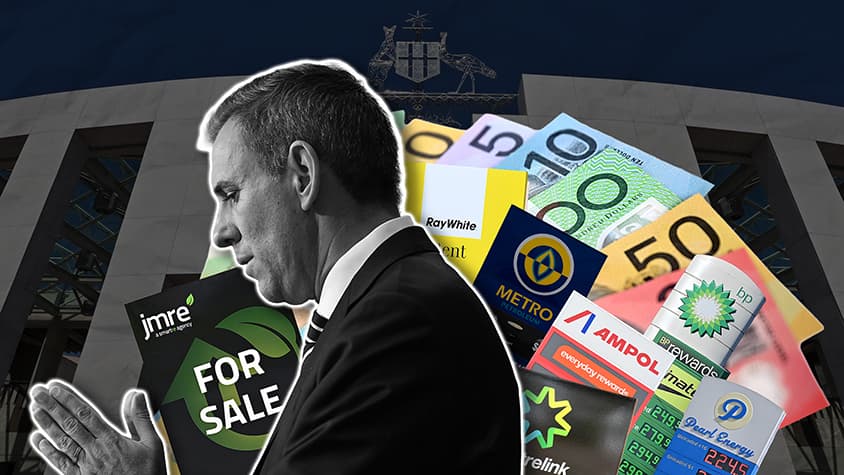
Prime Minister Anthony Albanese has ruled out applying a gas export tax to existing contracts as new Australia Institute polling shows overwhelming support for a levy.
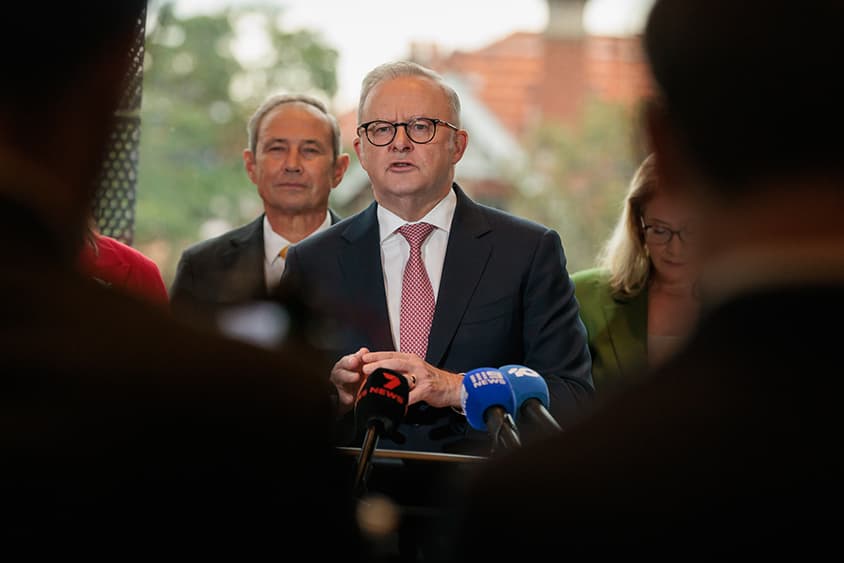
In a speech to the Chamber of Minerals and Energy of Western Australia (the lobby group representing major mining and energy companies), the PM said it was the “worst possible time” to jeopardise key trading partners.
“Our gas exports are directly linked to our national fuel security,” he said.
“This is why I can confirm that the budget will not undermine existing contracts on gas exports.”
His remarks come just a week after a Senate inquiry scrutinised how Australia taxes gas exports, with the Australia Institute warning the delay is costing Australia roughly $350 million dollars each week in foregone revenue.
“In making this decision, the Prime Minister has simply chosen to delay the inevitable,” said Dr Richard Denniss, co-CEO of The Australia Institute.
“The Prime Minister’s decision to kick the can down the road might feel politically easy right now, but it is going to come at an enormous cost to both the budget and the Australian voters’ faith in their government.”
The PM’s choice of words sparked speculation that a levy could still be imposed on new gas contracts and the spot market in next month’s budget.
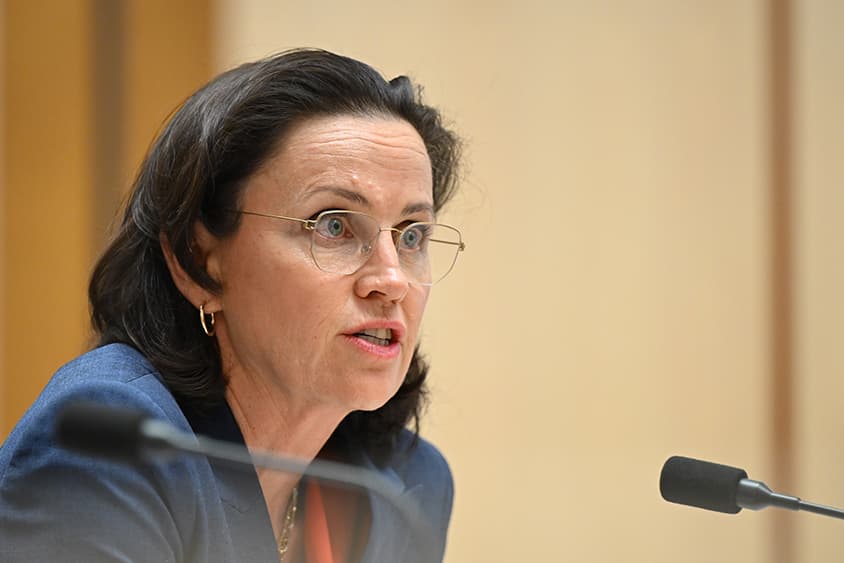
“This fight is far from over. Public pressure for a gas export tax is growing by the hour, and the Prime Minister knows it, so he’s keeping the door open ahead of the budget,” said the Senate inquiry’s committee Chair, Greens Senator, Steph Hodgins-May.
The Conservation Council of WA (CCWA) said it would be an “insult to all Australians” amid a cost-of-living crisis if the Albanese government opted for the status quo.
“We’re hoping the Prime Minister is listening to the Australian people and that he’ll take steps to get a fair deal from multinational gas giants, considering the groundswell of Australians from across the political spectrum who are calling for this tax as a bare minimum,” said CCWA Executive Director Matt Roberts.
New polling by the Australia Institute shows seven in ten voters nationwide agree gas export companies should pay a 25 per cent gas export tax, including four in five Labor voters.
“Voters get that they’re being ripped off by multinational gas companies, and now they know that their Prime Minister is OK with that. I think it is optimistic for the Albanese Government, and the gas industry, to think this issue will blow over,” said Dr Denniss.
Independent Senator David Pocock, who has been a prominent backer of the policy, told ABC Radio the decision was “disappointing” given the groundswell of public support.
“This is just the start of this campaign. We’re going to see more and more Australians angry with the capture of the major parties by vested interests,” he said.
While West Australian Premier Roger Cook said he thinks a new tax on gas exports would be “bad for WA”, it appears many of his constituents disagree.
The Australia Institute polling found two in three WA voters (68 per cent) support a tax on gas exports, while more than half do not believe collecting more revenue from gas companies would be bad for the state.
“Despite companies making billions of dollars from our natural resources, West Australians are wearing the costs. High energy prices, fossil fuel-driven climate change and climate disasters; we’re all poorer because of the gas industry,” said Mr Roberts.
Last week, a Senate inquiry heard evidence over three public hearings, with environmental, community and advocacy groups appearing, alongside LNG heavyweights Woodside Energy, Shell, Chevron and INPEX.
The sector consistently argued that higher taxes would risk undermining energy security and future supply, particularly amid global instability and rising demand.
“We made our submission to the gas tax inquiry just last Friday, yet just days later, the Prime Minister is here in town eating bacon and eggs with the fossil fuel lobby, giving them the green light, while the clear majority of Australians are ignored,” said Mr Roberts.
Japan’s Prime Minister Sanae Takaichi will arrive in Australia on Friday to discuss the evolving global energy crisis.
The Sydney Morning Herald reported that Mr Albanese said he was staking his personal reputation on the country’s relationship with its Asian neighbours.
“Australia is a reliable supplier of energy. That’s what we do, that’s our reputation,” he said.
“That’s my reputation as well, as prime minister, and I have good relationships with all of our partners.”