Japan has no oil, no gas, and no coal, yet it has better fuel security than Australia. And given that Australia is the world’s third-largest energy exporter, that’s quite a feat. Well played, Japan, well played.
Australians have been told by successive governments that we ‘can’t afford’ to meet our international obligation to hold 90 days’ worth of petrol, diesel, and jet fuel in preparation for the kinds of crises we are currently in. Japan, on the other hand, has more than 100 days of storage, as they introduced a tax on oil and gas imports in 1978 to fund exactly those preparations.
Since 1978, Japan has continuously reformed their oil and gas import tax, adding coal imports in 2003, and increasing the tax rate in 2012 to help prepare for the costs of climate change. The Japanese sure do like to plan ahead and reform their tax system to suit their needs.
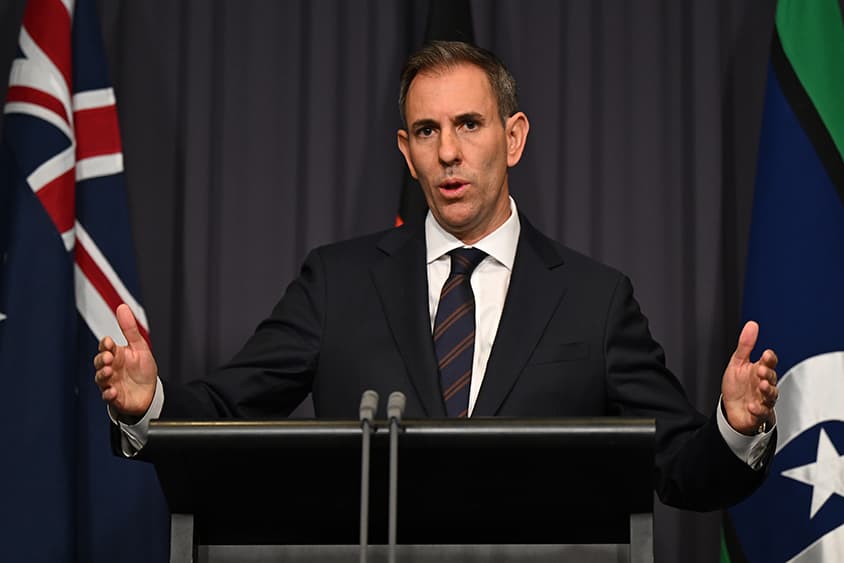
But back here in Australia, even in the midst of a global energy crisis, not even the desperate Angus Taylor thinks Australia can afford to have as much liquid fuel security as Japan. In turn, he has proposed public funding to bump our liquid fuel storage up from the current 30 days to 60 days, with funding to come from ‘cutting waste’ from some unspecified government services.
Australians are regularly reminded that we can’t have the nice things they have in Japan or Europe, simply because we don’t collect enough tax.
Japan collects more revenue from its gas import tax than we collect from our gas exports tax – the Petroleum Rent Resource Tax (PRRT).
That’s not a criticism of Japan, but it’s an indictment of the willingness of successive Australian governments to put the interests of foreign gas companies ahead of Australians.
Last week’s Senate inquiry into the way Australia taxes (or doesn’t tax) gas gave millions of Australians even more reasons to lack faith in their Government. The fact that many gas companies wouldn’t even send their CEOs to answer questions from the parliamentarians who give them more than half the gas they export for free shows the contempt with which the gas industry treats our elected representatives.
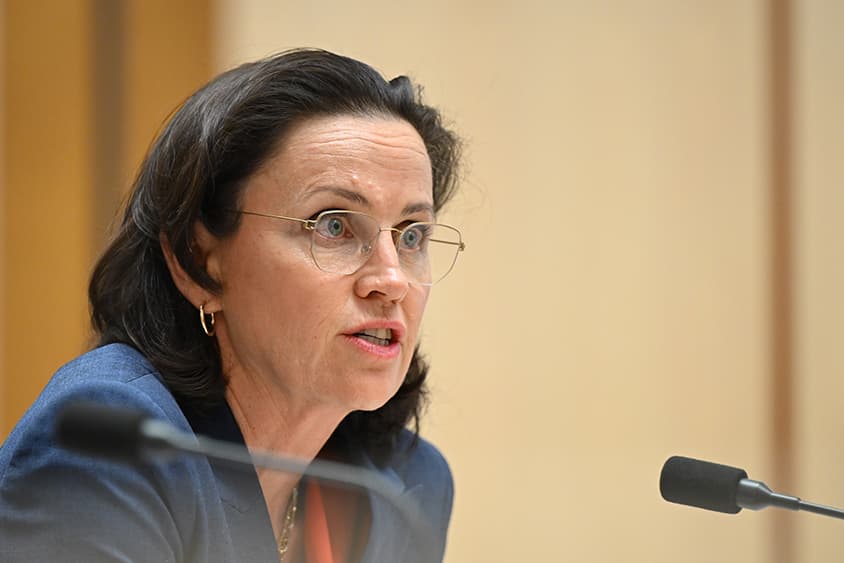
Likewise, the head of Shell Australia, who, to her credit, did show up in person, was literally unable, or unwilling, to answer simple questions about the amount of gas they export. In the words of Senator Hanson-Young, “What did you think we were going to ask you about?”
Qatar and Australia export similar amounts of gas, but Qatar collects five times as much revenue as Australia does. Norway taxes the profits of foreign oil companies at up to 78 percent. And Norway, with a population about the size of Queensland’s, has a sovereign wealth fund 12 times bigger than Australia’s.
Australia’s PRRT collects less revenue each year than the Commonwealth receives from HECS repayments or beer excise. And according to the evidence provided by INPEX last week, the PRRT is working precisely “as designed”.
To be clear, I agree with INPEX. The PRRT is working precisely as intended. But where I disagree with INPEX is that I think we should replace the PRRT with a simple 25% tax on all gas exports and, instead, raise $17 billion per year.
But I don’t blame INPEX for not wanting Australia to get a fair share of our gas. Just like I don’t blame the Japanese government for collecting more tax on our gas imports than we get from our tax on gas exports. The only people I blame for Australia’s simultaneous willingness to give so much gas away for free, while pretending we can’t afford to store more diesel, or continue funding the NDIS, are the Australian Government, past and present.
Australians have been played for mugs by multinational gas companies for decades. And while the Australian public has been shocked to learn in recent times just how badly we are being milked, the Australian Institute and a handful of others have been trying to get the media and relevant ministers to care about it for a long time. Our first major report on the issue was back in 2013.
Significantly, concern with this issue has always been broadly based. Clive Palmer is currently taking out full-page advertisements calling for a 25% gas exports tax, and former Labor Premier of WA has said of the current Commonwealth approach to gas that “We had a federal government years ago which was stupid enough to allow these companies to export any amount of gas they wanted from Australia without reserving any of it for our own people.”
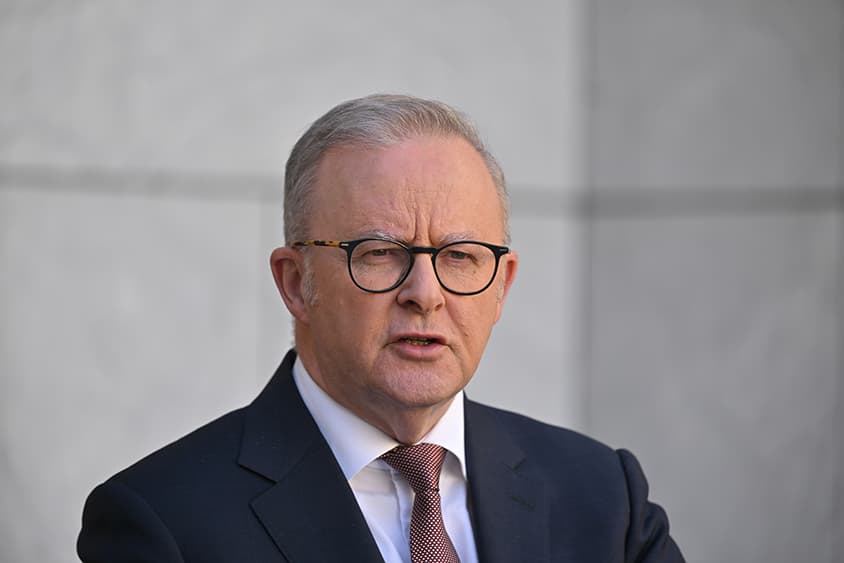
None of the problems Australia faces today were caused by Japan or any other country. Indeed, the only country that can fix our problems is our own. While it is unclear whether Anthony Albanese will be the first Prime Minister to stand up to the foreign- owned gas companies and demand a fair share for Australians, what is clear is that now more than ever, if our own governments will not stand up for us on the world stage, no one else will.