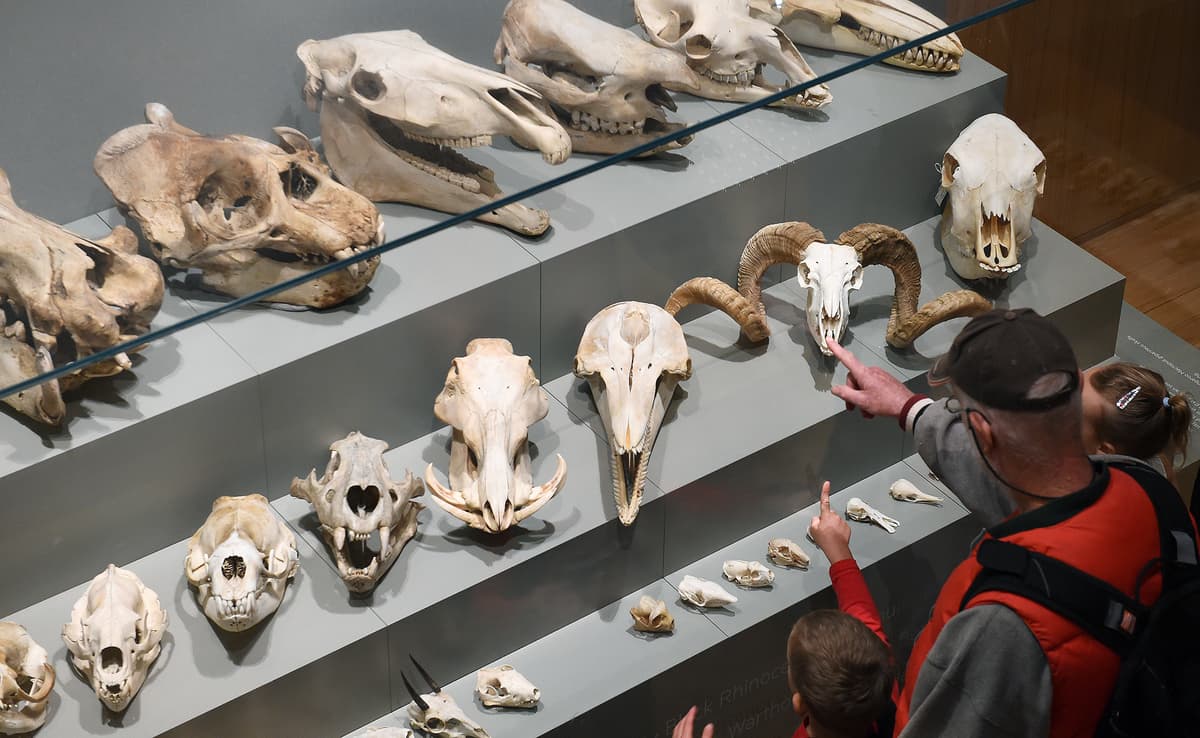
The Queensland Museum is facing scrutiny from the state’s information watchdog over its handling of a right-to-information request seeking details about its partnership with Shell’s Queensland Gas Company (QGC) business.
Climate advocacy group Comms Declare sought an external review by the Office of the Information Commissioner, arguing the museum’s response to its request was inadequate.
The group said it paid more than $2,200 in fees to lodge the RTI application, which resulted in the museum releasing 21 documents and 27 partial documents.
It refused access to 454 pages of material.
“Queensland Museum is sitting on hundreds of pages of documents about its partnership with Shell, yet is keeping most of it secret,” said Comms Declare founder Belinda Noble.
The museum has been under pressure to axe its deal with QGC following allegations its branded teaching materials are misleading students on the root cause of the climate change crisis.
“Fossil fuel corporations should not be able to quietly shape children’s education while public institutions provide reputational cover,” said Ms Noble.
“Parents deserve to know what obligations the Museum accepted in exchange for this $10 million partnership and what influence, if any, Shell QGC exercised over educational materials, public communications, or program design.”
The group’s 2025 report Queensland Museum Learning Resources: Climate Accuracy and Sponsorship Concerns, found that the museum’s educational materials “downplayed or omitted fossil fuels as the primary driver of climate change”.
“We’ve had parents and teachers tell us now they simply feel they can’t trust the Museum,” said retired primary school teacher Jo Fraser.
“If there’s nothing to hide, then why isn’t the Museum being transparent and releasing all the documents?”
Ms Fraser, a founder of the newly formed activist group End Fossil Fuel Sponsorships, said it was imperative that public institutions remain accountable to the communities that fund them.
“Taxpayers should not have to fight through freedom-of-information processes to understand how a public institution is partnering with a fossil fuel company in children’s education,” she said.
Queensland Museum has previously stated its Future Makers program reached around 1,700 teachers and generated more than 400,000 resource downloads.
It asserts it “maintains full independence in its research, exhibitions and educational activities”.
However, the report states, “the omissions and distortions within Queensland Museum’s Shell-branded learning materials are not minor” and “they constitute a fundamental miscommunication of scientific reality”.
One featured example is the museum’s ‘States of Matter: Our Warming World’ resource for Year 8 students, which “introduces global warming through physics but … never connects energy use to emissions”.
A growing movement is urging museums, galleries, science centres and education authorities to commit to fossil fuel-free education.
In November 2025, Monash University announced it would end its partnership with fossil fuel giant Woodside Energy.
The University’s vice-chancellor, Professor Sharon Pickering, confirmed the news during her appearance at a Senate committee hearing on the Greens’ End Dirty Uni Partnerships Bill.
“It has been abundantly clear through communications with our broader community [that] they expect us to work in alignment with our values and, indeed, to ensure that we are always partnering well,” Professor Pickering said.
The End Fossil Fuel Sponsorships group has staged regular protests outside the Queensland Museum and launched a petition, in conjunction with the Queensland Conservation Council, calling for the partnership to end.