We have a conundrum. Corporate environmental, ethical, and social certifications no longer appear to meet the standards we expect.
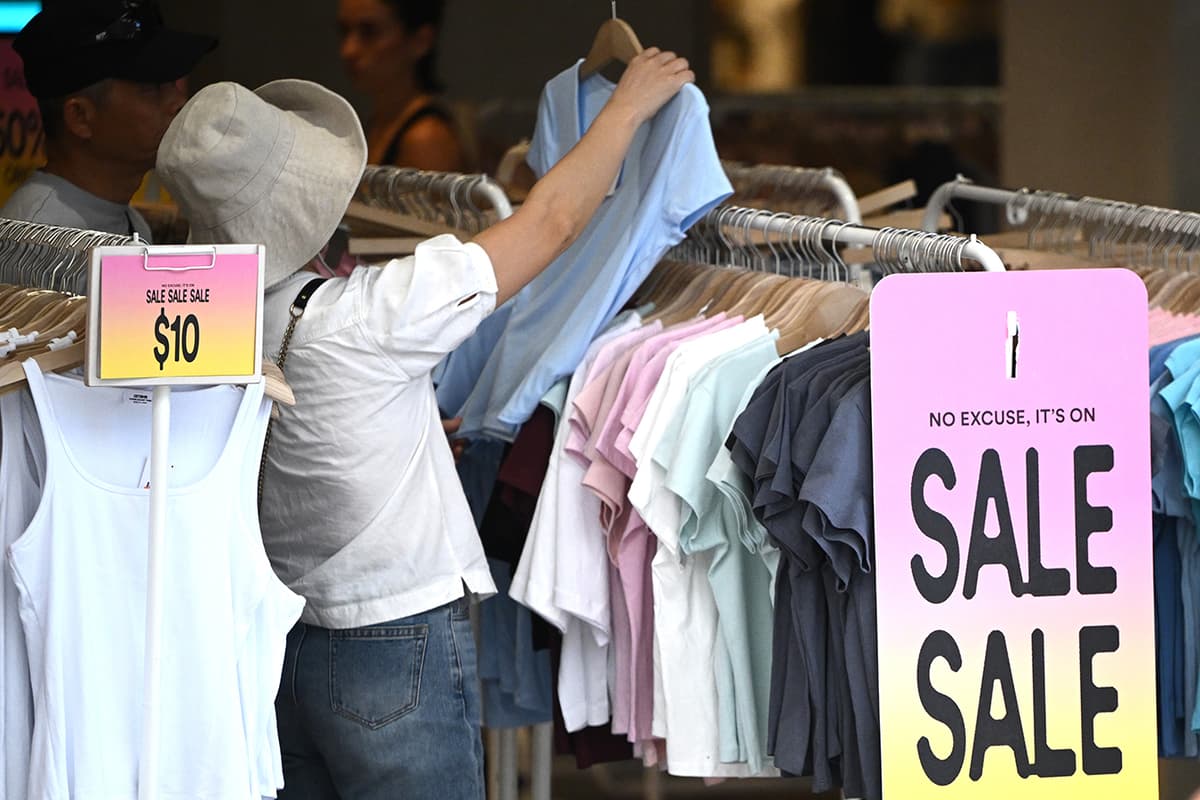
In 2025, the Australian fast fashion company, Princess Polly, was awarded the environmental B Corp certification. This sparked global outrage because sustainability and fast fashion are an oxymoron. Some members of the public saw the move as a greenwashing manoeuvre to increase Princess Polly’s sales.
B Corp and other similar certifications elicit public trust in the certified company, with the assumption that they operate under high moral standards. Given fast fashion is rooted in overproduction, many people felt that the Princess Polly certification was a slap in the face of sustainable companies who have been committed to doing good work.
B Corp faced intense public backlash that resulted in a loss of credibility and public trust. This was not the first bout of negative public scrutiny faced by B Corp and other global certifying bodies. The aftermath, however, raised essential questions about public expectations and assumptions versus the purpose, intentions, and impacts of ethical, environmental, social and governing certifications in the present day and in the future.
Other certifications have fallen short of public expectation
Public misalignment of expectations, or failure of standards with certification bodies is not a B Corp problem alone. It’s a global issue that is occurring more frequently with multiple organisations and is a situation that could be addressed by adopting a broader lens moving forward.
For example, Fairtrade was accused of being “an unjust movement that serves the rich”, as opposed to addressing the needs of the farmers and makers in global South communities, mainly in Africa and Asia, as it was designed to do.
The Forest Stewardship Council (FSC) have had corruption allegations levied on them, which state that 20 – 30% of FSC claims could be false and that the “system’s slow reform risks undermining decades of work on forest credibility.” Trust within and outside the organisation fell as a result.
B Corp’s Origin
B Lab, the international nonprofit that created the B Corp certification, began in 2006. With more than 10,000 certified B Corporations across over 160 industries in the world, B Corp is the most recognisable corporate certification on the planet.
Popular companies such as Patagonia and Who Gives A Crap (WGAC), known for their sustainability ethos, were amongst the first to be B Corp certified, in 2012 and 2016 respectively. At the time, the company’s assessment tool was their Version 1.6 B Impact Assessment, which scored companies’ social and environmental impact and B Corp eligibility. The standard was based on having enough positive impact to meet the threshold, then working alongside the company over a period of five years to reach a specific goal(s). Princess Polly was certified on Standards Version1.6.
As Patagonia and WGAC were prominent B Corp certified companies with strong sustainable reputations, there’s a possibility that public assumption around B Corp certified companies could have fallen under the assumption that certification meant they operated at the same sustainability or moral levels as those perceived by the public of Patagonia and WGAC. This could be where some of the issues that eventually lead to the strong Princess Polly reactions may have originated.
Angie Farrugia, Director of Communications & Engagement at B Lab Australia & Aotearoa New Zealand, says,
“We’ve learned that we need to help people understand that B Corp Certification doesn’t mean a company is perfect; it means they’ve signed up to be accountable to a global third-party standard. This misconception is most evident when we see backlash to certain companies certifying, and it ends up being counterproductive by discouraging companies from starting their improvement journey. Scrutiny of certifications is legitimate and important, and companies being transparent about the things they did to improve can help people understand the value of certification.”
B Corps Standards aligning with changing times
2020 was the year of the global COVID-19 pandemic, and it brought huge and rapid social and environmental changes.
It was also the year that B Lab started the process of reviewing their standards, which resulted in Standards Version 2 in 2025.
Farrugia stated that:
“The new B Lab Standards are the result of five years of work, two public consultations, input from more than 3,000 stakeholders across 67 countries, and 26,000 pieces of feedback.”
She added that the certification signals a company’s commitment to work towards independent standards and be accountable, not perfect. The standard is designed to evolve alongside best practice, and companies must demonstrate improvement over time, empowering leaders to continue driving meaningful progress throughout their journey as a B Corp.
Under the new B Lab Standards, Farrugia says that:
“Our third-party certification model is compliant with global regulation, including the Empowering Consumers for the Green Transition Directive (ECGT).”
Their standards are a continuous, public process. Under the procedure they published this year, any stakeholder can propose a revision at any time.
AI and global conflicts as catalysts of change
Global conflicts have driven 119 countries in the world to be less peaceful now than they were in 2008, according to the Global Peace Index 2026. And at the same time, AI is expeditiously transforming our world. These factors (in addition to a few others) already have and will very likely continue to have huge influence on changes in social, environmental, governance and ethical operations and of course, corporations play a major role too.
The late C-Founder of B Lab, Andrew Kassoy addressed the missed opportunities for leadership with social media, he said “This is a moment, a little like social media nearly a generation ago,” he says.
“There was a failure, I think, to recognize and reckon with the impact that it could have if it wasn’t properly either regulated or structured or governed or addressed some of those issues. And I think we’re in a similar place with AI.”
Some of the harm attributed to social media could possibly have been prevented if there was sufficient and appropriate governance earlier on.
Moving forward
The most productive action we can collectively take is to decide what standards we would like to have in this rapidly-changing world. There are several factors adding new dimensions to existing challenges, which require governance. And the goal posts are moving faster than ever.
It’s a critical time to decide the standards we want in all areas, with uniformity and clear understanding of the standards we are following. This might be how we can draw clear lines between greenwashing, and companies taking the first steps towards positive change.
Nina Gbor is the Director of the Circular Economy & Waste program at the Australia Institute