More than $70 billion in potential revenue has been forgone since Labor took office, according to new analysis that is fuelling calls for the Albanese Government to hold a national plebiscite on a gas export tax.
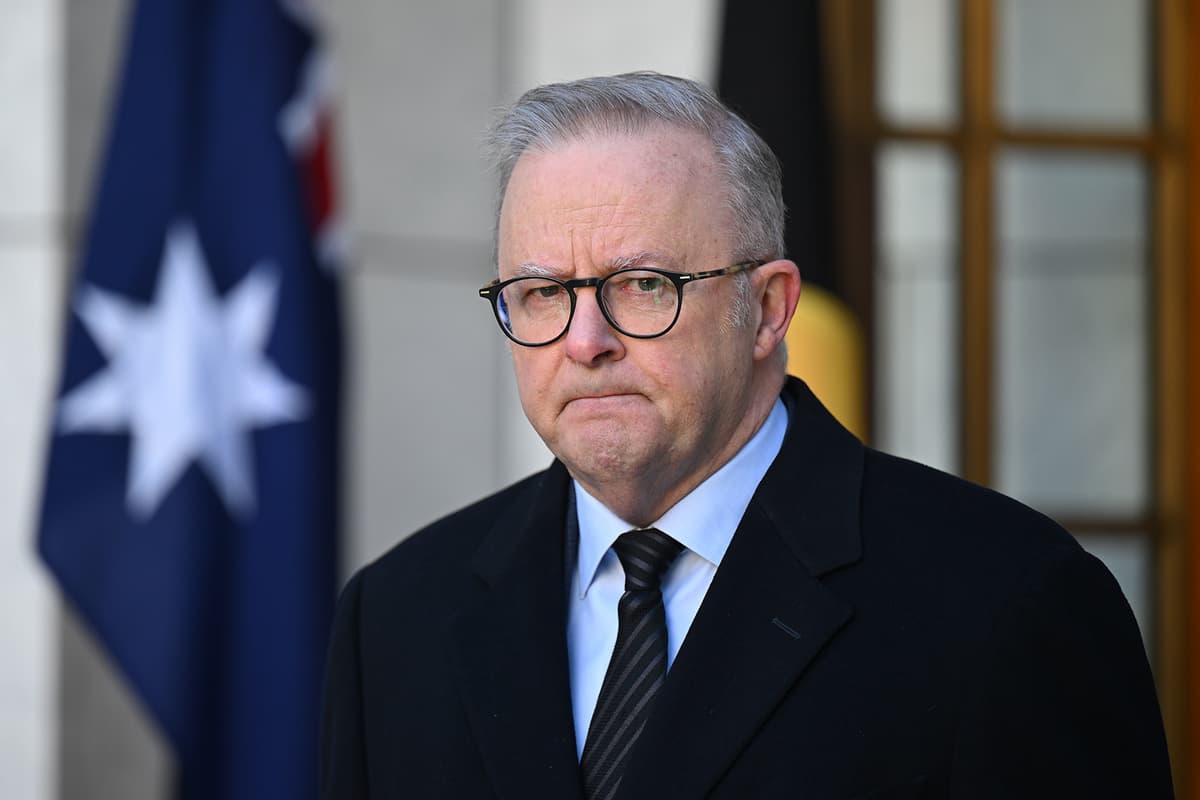
Despite a growing cross-party push for the levy and strong public backing, Prime Minister Anthony Albanese ruled out the proposal ahead of the May budget.
However, the Australia Institute argues the public should get a direct say on the issue, launching a petition that has quickly gathered almost 15,000 signatures.
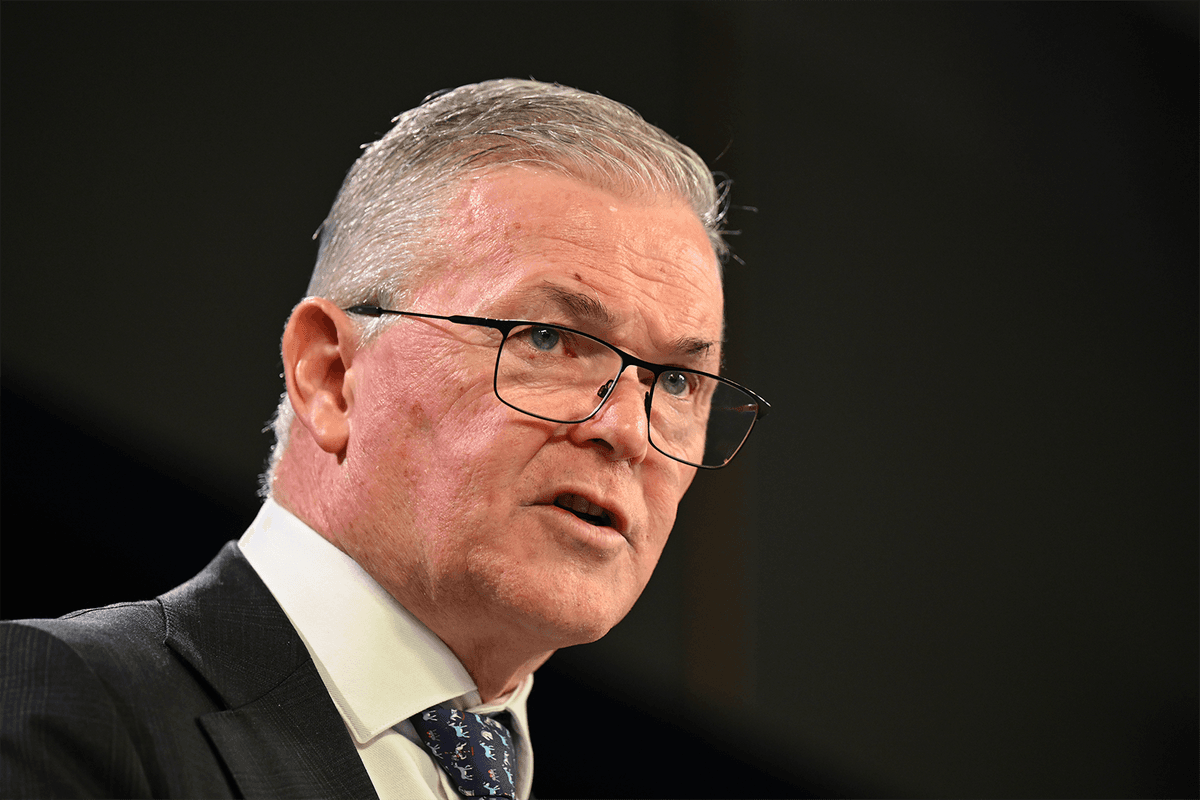
“It’s not clear why the Government won’t impose a 25 per cent tax on gas exports, but what is clear is that they are not in a hurry to do it,” said Leanne Minshull, co-CEO of the Australia Institute.
“That is why we are calling on the Government to hold a plebiscite on the question.”
In an April speech to the Chamber of Minerals and Energy of Western Australia – which represents many of the state’s largest mining and energy companies – the PM said it was the “worst possible time” to introduce a levy, claiming it would jeopardise key trading partnerships.
“Our gas exports are directly linked to our national fuel security,” he said at the time.
Research by the Australia Institute shows more than half the gas exported from Australia is given away royalty-free.
The think-tank argues the volume of gas shipped overseas undermines claims that Australia faces a domestic gas shortage.
Its analysis found enough gas to supply Australian homes and businesses for more than 20 years was exported over the past five years, despite warnings of a gas shortage.
In March, Labor MP Ed Husic said despite the repeated claims, Australia’s problem was not one of supply but “a glut of greed”.
“The facts point to the reality that this is a broken market. The only winners are profiteers,” he told parliament.
Support for a 25 per cent levy has emerged from across the political spectrum, attracting backing from politicians, big business, environmental organisations and voters.
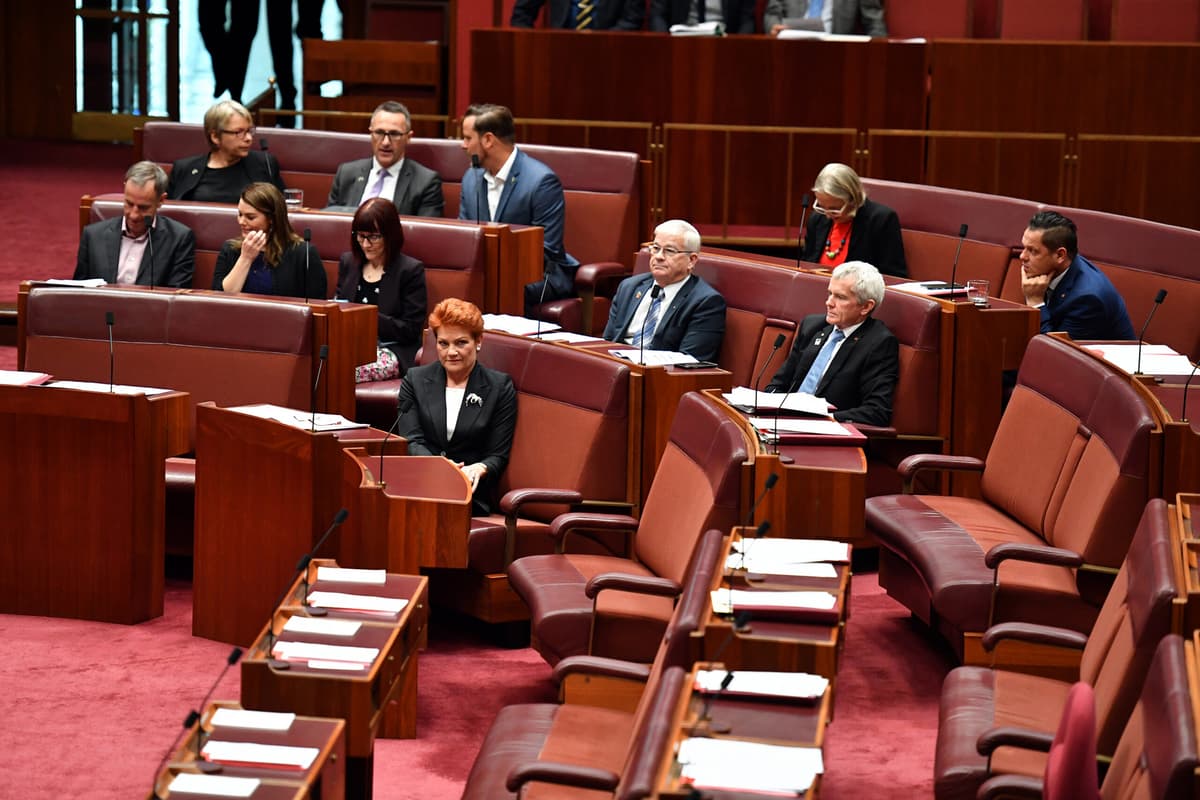
Those calling for the tax include the Australian Greens, Pauline Hanson’s One Nation, Clive Palmer’s United Australia Party, Labor figures such as Ed Husic MP and Senator Michelle Ananda-Rajah, Liberal MP Andrew Hastie, and independents including Senator David Pocock and Zali Steggall MP.
However, at a Greens-led Senate inquiry into the proposed levy, major gas companies argued the tax would discourage investment and drive capital offshore.
“It is nonsense to suggest Australia’s liquid fuel security is somehow dependent on giving our gas away for free,” said Ms Minshull.
“Ordinary Australians are fed up. Just look at the comments every time the Prime Minister posts something on social media.
“Comments on social media posts should not be the only way Australians can get through to the Parliament, that is why we are calling for a plebiscite.”
Australia Institute research shows unrestricted gas exports from Australia’s east coast have resulted in domestic wholesale gas prices more than tripling and electricity prices doubling.
Independent senator David Pocock drew national attention to the issue when a video highlighting the industry’s tax arrangements went viral on social media.
In the video, he noted Australian beer drinkers pay more in beer excise than the gas industry pays in Petroleum Resource Rent Tax (PRRT).
The clip attracted more than nine million views on instagram.
He most recently questioned the Government about how PRRT revenue compare with money raised from passport fees.
“If you look at (20)29-30, passports and Australians paying to have an Australian passport is bringing in just a few hundred million dollars less than the Petroleum Resources Rent Tax, which is how we are meant to get a return from offshore LNG,” he said in a Senate hearing.
“As one of the biggest gas exporters in the world, those two things just don’t seem to square … that’s an absurd comparison.”
The Australia Institute projects a 25 per cent gas export tax could raise up to $17 billion a year – a figure advocates say dwarfs many of the savings measures contained in the federal budget.
“The Government is taking tens of billions of dollars’ worth of supports off Australians living with disabilities,” argued Ms Minshull.
The comments come after Labor’s 2026-27 budget unveiled major changes to the National Disability Insurance Scheme (NDIS), with the government projecting the reforms will save $36.2 billion over the next four years.
The changes have sparked concern and anger within the disability community, with advocates warning participants could lose access to vital supports and services.
“This is an issue which has the potential to improve the lives of millions of Australians, and their Government is not listening,” Ms Minshull said.