Disability advocates have joined growing calls for a 25 per cent tax on gas exports, arguing the revenue could help protect Australians on the National Disability Insurance Scheme (NDIS) from cuts to essential supports.
The renewed push comes as Labor introduced the legislation into Parliament today, projecting the changes will save the government $36.2 billion over the next four years.
The cuts were the largest savings measure announced in the 2026–27 budget, with Treasurer Jim Chalmers arguing they were necessary to rein in the program’s costs.
However, the overhaul has sparked mounting concern and anger within the disability community, with advocates warning participants could lose access to vital supports and services.
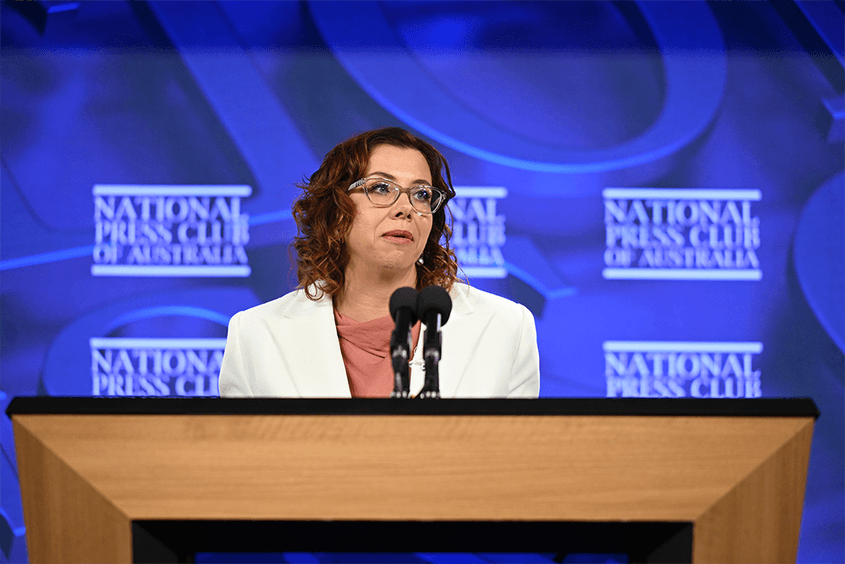
“The NDIS is not a luxury. It is there for every Australian who may, at any point in our lives, experience a severe and permanent disability,” said Dr George Taleporos, Chair of grassroots campaign Every Australian Counts.
“It is the support many of us rely on to get out of bed, go to work, and live with dignity.”
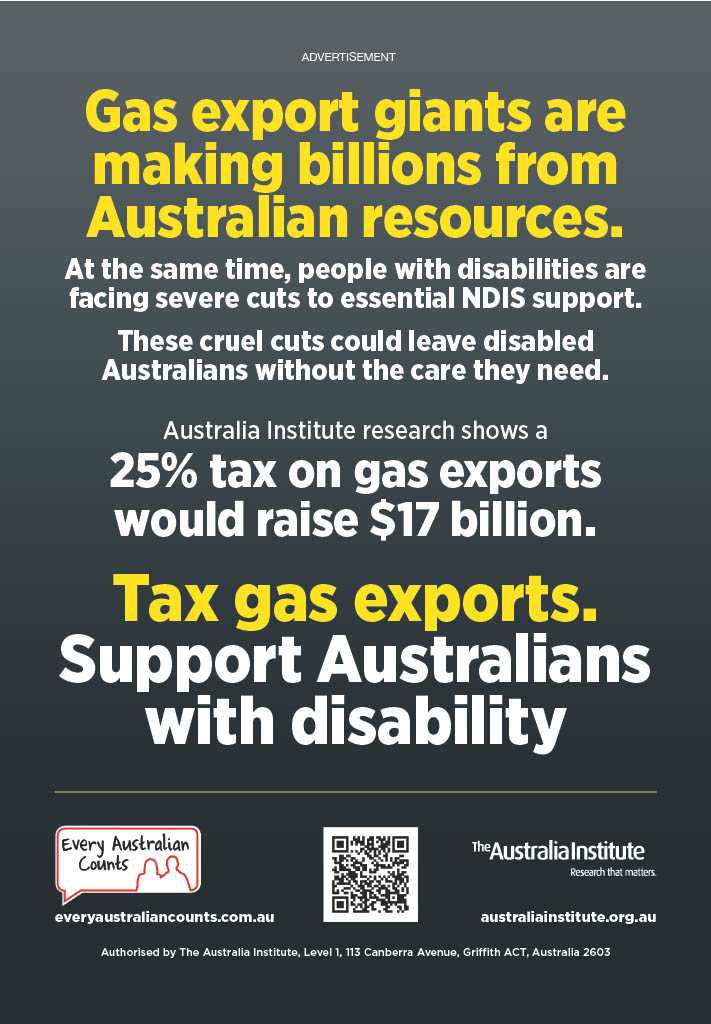
Prime Minister Anthony Albanese has been accused of capitulating to the gas industry after ruling out a 25 per cent export levy, a measure the Australia Institute estimates could raise up to $17 billion in revenue each year.
“Mr Albanese’s government chooses to give gas away for free to the gas export companies,” said Dr Richard Denniss, Co-CEO of The Australia Institute.
“If this parliament chooses to leave things largely unchanged, then it is choosing to put foreign-owned gas companies ahead of deficit repair and properly funding things like the NDIS, hospitals, schools and roads.”
As reported by The Guardian, newly released departmental modelling shows more than 240,000 participants will be removed from the scheme by mid-2031 as a result of tighter eligibility rules.
The documents also revealed there are proposed cuts to funding for social, civic and community participation.
“People with disability and our families should not be asked to pay the price for budget pressure while gas companies make billions from resources that belong to all Australians,” said Dr Taleporos.
“A fairer tax on gas exports could help protect essential disability supports and stop cuts that would push people into crisis.”
The government has repeatedly argued the NDIS is growing at an “unsustainable rate”.
However, in the last financial year, Australia’s state and federal governments provided $16.3 billion in subsidies to fossil fuel producers – a year-on-year increase of 9.4 per cent.
By contrast, the cost of the NDIS increased by only 7.6 per cent over the same period.
“Taxing gas exports is a no-brainer,” said Dr Denniss.
“The only obstacle to this simple solution is finding the bravery to stand up to the gas giants.”