The Greens are calling for an urgent one-year freeze on approvals for new data centres until Parliament has legislated nationally consistent rules to regulate Australia’s rapidly expanding AI industry.
The party says a pause would give Canberra time to establish rules about issues such as energy use, water consumption, emissions and community impacts before any more large-scale projects get the green light.
The proposal comes as the Albanese government faces resistance from Queensland and the Northern Territory over plans designed to ensure the industry’s growing electricity demand is met by new renewable generation.
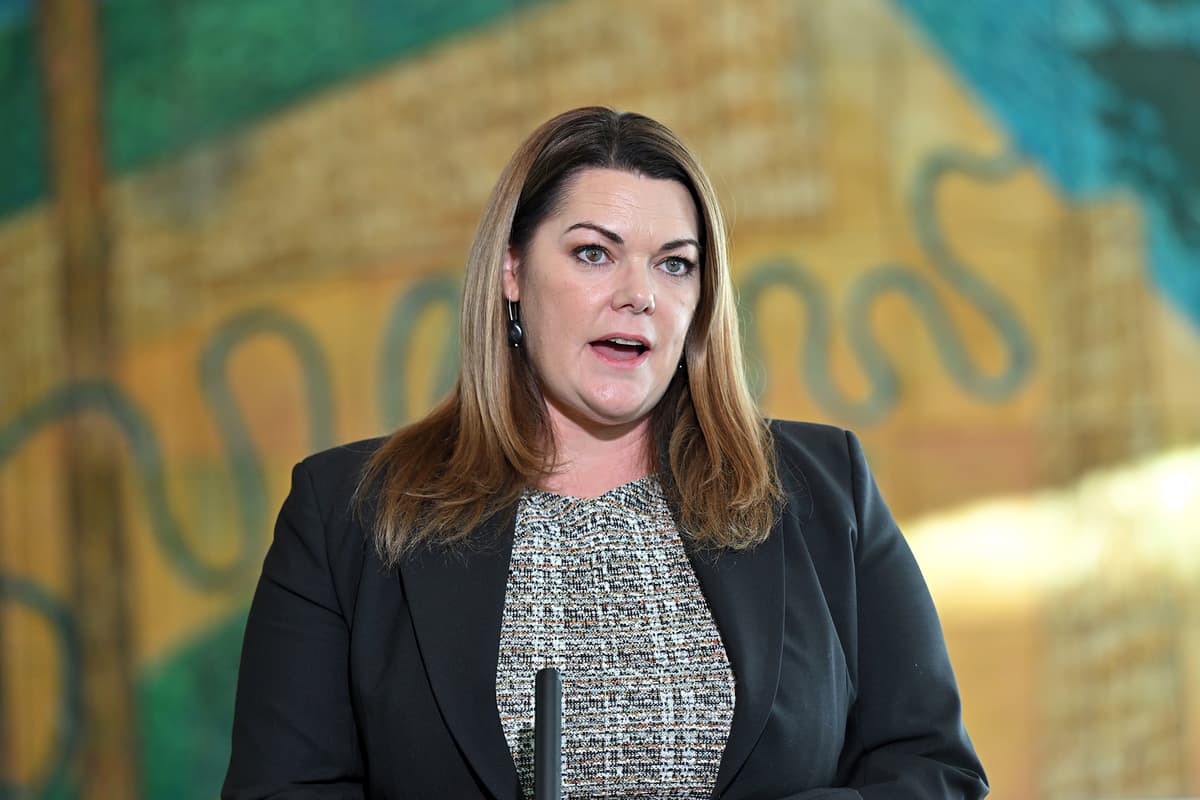
Greens Communications spokesperson Senator Sarah Hanson-Young said the feud showed the industry was “already exploiting governments’ desperation to attract investment”.
“Big AI is sitting back and laughing as governments fall over themselves in a race to the bottom to accommodate its every whim,” she said.
“Australia must present a united front in the face of this new extractive industry.”
The Prime Minister has outlined plans to legislate national standards for large data centres, including requiring them to back new electricity generation, cover the full cost of connecting to the grid and putting “at least as much energy into our grid as they take out of it”.
However, Queensland Treasurer and Energy Minister David Janetzki told Guardian Australia that the state won’t “support underdeveloped ideas that hand increased power to Canberra at the expense of Queenslanders”.
The Northern Territory has also granted Beetaloo Digital exclusive rights to 185 hectares of land at Weddell, about 30km from Darwin, to investigate two hyperscale AI data centre campuses powered by Beetaloo Basin gas.
Greenpeace Australia Pacific said the $40 billion proposal was a “shocking example of the unchecked expansion of hyperscale data centres in Australia”.
“This proposal mirrors the frenzied, unchecked expansion currently wreaking havoc on communities in the US,” said Joe Rafalowicz, the organisation’s head of climate and energy.
“We are seeing cowboy data centre operators treat Australia like a playground, steamrolling ahead with projects that would lock down precious water resources and spike emissions, despite the overwhelming community opposition.”
Senator Hanson-Young said, “big AI is already looking for weaknesses it can exploit and playing governments off against each other.”
“We cannot let this become another mining boom where governments compete to give away our resources on the cheapest possible terms,” she argued.
Senior Research Associate at the Australia Institute Ketan Joshi urged Australia to follow the lead of other countries.
“Countries like Ireland and the Netherlands have implemented moratoria on data centres to allow breathing space for real regulation and control of industry,” he said.
New York recently became the first US state to impose a one-year moratorium on new hyperscale data centres, while it develops a regulatory framework to protect ratepayers.
“As data centre development threatens to hike up utility bills, deplete our natural resources, and create uncertainty for New Yorkers, it’s my responsibility to take action and lead,” said Governor Kathy Hochul
Critics, including the Australia Institute, argue the rapid expansion of data centres risks driving a new wave of fossil fuel development.
“The thing that makes modern data centres so hungry for fossil fuels is the speed of development. Putting brakes on that speed means ensuring big tech can be right-sized and go back to being a support for clean energy rather than an enemy of it,” said Mr Joshi.
“All the capital, political effort and private obsession with data centres should be going into Australia’s renewable energy industry, which is lagging and failing to grow at the speed required to hit targets.”
The Greens warned Australia has a narrow window to regulate the AI industry before it becomes too powerful to rein in.
“We cannot allow the AI boom to become an excuse for more gas, more pressure on our electricity grid and more destruction of Australia’s precious environment,” said Senator Hanson-Young.
“Big AI can wait. Australia’s environment and communities can’t.”