Australia’s experiment with running universities like a market has “failed”, with the sector now suffering from inadequate funding and poor governance, the Australia Institute has told a Senate inquiry.
By Tegan George
Thu 27 Aug 2026 01.00 AEST
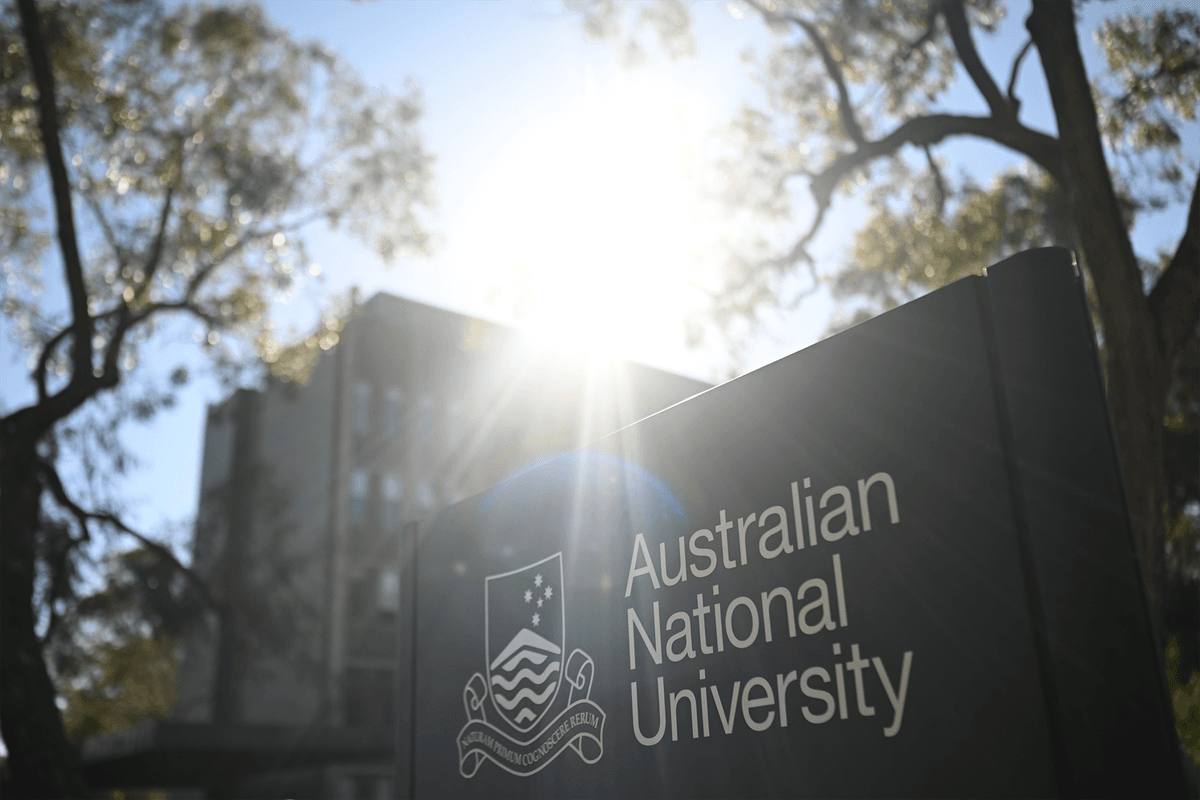
Photo: AAP Image/Lukas Coch


Australia’s experiment with running universities like a market has “failed”, with the sector now suffering from inadequate funding and poor governance, the Australia Institute has told a Senate inquiry.
Giving evidence, co-CEO Dr Richard Denniss said the push to make universities operate and compete more like businesses had failed to improve the sector.
“It clearly has not improved university experience in Australia. It clearly hasn’t improved university quality in Australia and it’s not even cheap,” he said.
The inquiry is examining the Albanese government’s proposed overhaul of university funding and how it allocates student places.
The legislation aims to give more people from low socioeconomic backgrounds the opportunity to study, while allowing more regional students to do so closer to home.
Deputy Research Director at The Australia Institute, Jack Thrower said the “quasi-marketisation model” had seen large universities attract more students and expand, to the detriment to smaller institutions.
“Student choice is often used by the really big institutions, like the Group of Eight, as an excuse to continue to become bigger and bigger, to spend millions and millions on advertising and marketing,” he said.
“We don’t endorse this sort of marketisation of universities.
“Essentially every university should be good.”
Recent years have seen the some institutions slash costs, staff and courses, while “lavishing hundreds of millions on themselves”, covering travel, marketing and consultancy fees.
Under the current system, public universities largely receive a capped funding envelope from the government, which institutions then decide how to distribute across courses and disciplines.
The prosed legislation aims to move to a system based on allocating a set number of fully funded student places, giving the government more control over where growth occurs, alongside extra needs-based support for disadvantaged students.
Dr Denniss said while he broadly supported the bill, it didn’t address the larger issues at play.
Quality research, analysis, explainers and factchecks from experts you can trust.
“This bill is about the distribution of a pie that is not nearly big enough to solve the underlying problem,” he told senators.
“If the Australian parliament really wants to reduce inequality in the universities and improve the quality of Australian universities, then they need to fix the governance and the funding.”
Mr Thrower questioned whether the reforms would actually improve access to education when student payments haven’t kept in line with the rising cost of living.
“While student payments remain really difficult to get and well below the poverty line, then many students who, even if they appear to get this needs-based funding, whether or not they will actually have increased access is somewhat questionable,” he said.
His concerns were echoed by a new report by Anglicare Australia, which showed while Youth Allowance is the main form of financial assistance for young people under 25 who are studying or looking for work, it was the lowest working-age Centrelink payment.
Anglicare Australia Executive Director Kasy Chambers said that “we have a social security system that literally says a young person needs less money to live on simply because of their age”.
“Our findings show they can’t afford rent on Youth Allowance anywhere in the country.”
The Australia Institute also argued that universities needed better regulation, but Dr Denniss said greater oversight should come from Parliament rather than an individual minister.
Mr Thrower said decisions about the number of Commonwealth-supported and overseas student places were significant enough that Parliament should have the power to overturn them.
“That is quite a significant decision for an individual minister to make about essentially the size of those two student pools,” he said.
The National Union of Students (NUS) shared that view, warning the powers created a “real risk of the politicisation of university funding”.
“We’ve seen the consequences of that in the United States where President Trump has threatened and withheld funding from universities, including at Columbia and Harvard, while demanding they change their policies,” said NUS national president Felix Hughes.
The committee is due to report back to Parliament on 3 September 2026.

