Drawing on research from six Australian and UK universities, a team from the Australian National University (ANU) and UNSW has launched the Carbon Impacts Tracer, which translates carbon dioxide emissions into estimates of real-world climate damage.
By Tegan George
Wed 30 Sep 2026 12.58 AEST
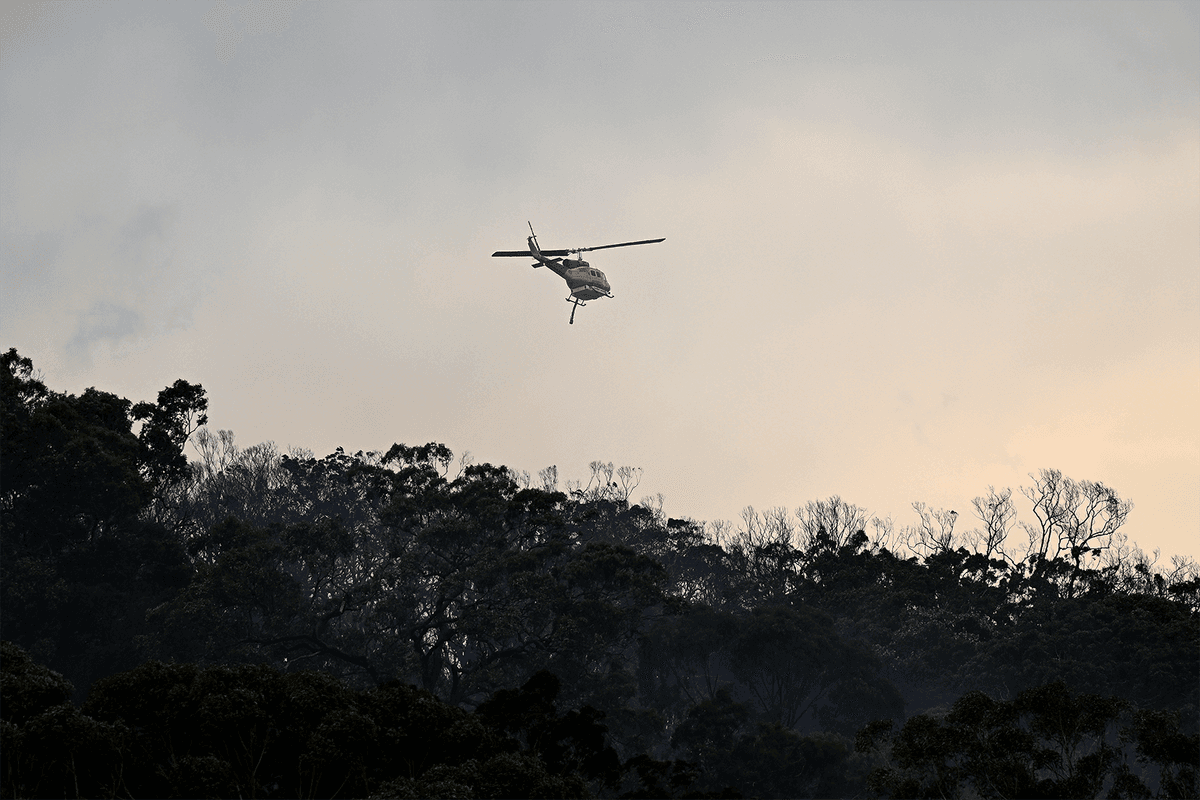
Photo: AAP Image/Dan Himbrechts


Woodside’s proposed Browse project could expose almost one million more people to unprecedented heat and kill an additional 29 million coral colonies on the Great Barrier Reef every time it bleaches, according to estimates by a new climate impact tool.
Drawing on research from six Australian and UK universities, a team from the Australian National University (ANU) and UNSW has launched the Carbon Impacts Tracer, which translates carbon dioxide emissions into estimates of real-world climate damage.
“Expanding the tool to include impacts such as poverty, labour loss and food insecurity allows us to build a much more comprehensive picture of the consequences of fossil fuel emissions,” said ANU research officer Claudia Stepin, who built the online tool.
“Crucially, we can use the tool to look ahead and explore the potential impacts of projects that are still being proposed.”
It means anyone can enter the emissions figures for individual fossil fuel projects, countries or major coal, oil or gas producers anywhere in the world and the estimated consequences.
Among the projects assessed is Woodside’s proposed Browse development, which would develop Australia’s largest untapped conventional gas resource.
Energy analysts have raised doubts about the project’s viability because of its high costs and emissions reduction requirements, while conservationists fear a spill could devastate Scott Reef.
The tool estimates that, if Browse went ahead, its lifetime emissions could push an additional 83,400 people into extreme poverty and cause 215 additional heat-related deaths in Europe by 2099.
Another project that can be assessed by the tracer is Queensland’s Carmichael coal, which is estimated to expose an additional 2.8 million people to unprecedented heat.
Quality research, analysis, explainers and factchecks from experts you can trust.
The tool’s release comes as a decision is expected on the Hunter Valley Operations coal mine extension.
“Many new fossil fuel projects describe their emissions as negligible in the context of global totals,” said ANU climate scientist Professor Sarah Perkins-Kirkpatrick, who co-authored a study that underpinned the new tool.
“This tool changes that. A journalist, advocate, decision-maker or someone in an affected community can now see exactly what a single project’s emissions mean for additional warming, human and climate harms.
“Every ton of carbon emitted means more warming, more harm, and greater risks.”
Dr Wesley Morgan, a research associate with UNSW’s Australian Climate Accountability Project, said governments had “clear legal obligations to measure the impact of fossil fuel projects and to regulate fossil fuel companies to prevent climate harms”.
In a July 2025 advisory opinion, the International Court of Justice said that countries that fail to take appropriate action to curb greenhouse gas emissions, including through fossil fuel production, could breach international law.
Ms Stepin said the tracer tool could help hold governments accountable.
“Every single potential project matters, and now we can begin to quantify what those impacts could mean before a project is built,” she said.
“This opens up the possibilities for accountability, advocacy and decision-making.”

