When fuel prices rise, who picks up the pieces?
Most Australians will notice higher fuel prices at the petrol station. Frontline community services will notice them in the growing number of people seeking help.
It's true that some taxes grow and while others fade away. Here's a look at some of the 'smaller taxes' by how much they are expected to grow over the next 4 years. What's striking is that while Australia is in the middle of a gas price boom, the PRRT is still expected to fall by a third.
Tue 12 May 2026 21.26 AEST

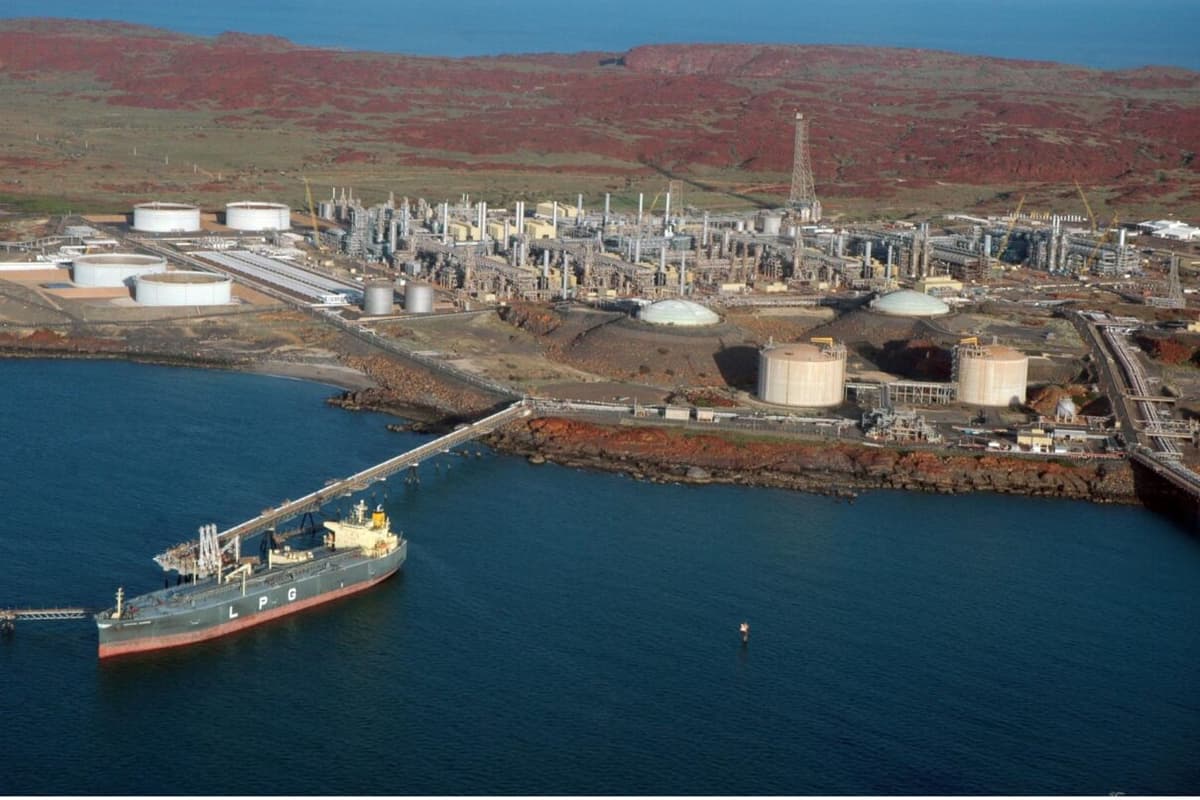
Image: AAP/Rebecca Le May
At the recent Senate inquiry into taxing gas, we were confidently told that the Petroleum Resource Rent Tax (PRRT) might not be collecting a lot of revenue now but in a few years, by the end of the decade, it would be racking it in.
Well, the recent federal budget projects revenue for all the different taxes out to the end of the decade, 2029-30. So, what is going to happen to happen to PRRT revenue? Will it shoot up from its really low levels.
Unfortunately not. What’s striking is that while Australia is in the middle of a gas price boom, the PRRT is still expected to fall by a third. As you can see in the chart, in comparison to some other smaller taxes we can see that Treasury is expecting all of those to increase by between 2.4% and 14.8%.
All this while Australia is currently in a gas price boom, the war is ongoing in Ukraine, and then more recently the US and Isreal’s illegal war on Iran have pushed up oil and gas prices.
Ultimately the PRRT is so full of holes that the gas industry will be able to continue to pay a pittance now and into the future.


Most Australians will notice higher fuel prices at the petrol station. Frontline community services will notice them in the growing number of people seeking help.
Banning gambling ads is a great example of something we don't see often enough: stopping harm before it happens, rather than spending to patch up the damage afterwards. As a result, we spend an enormous amount of time and public money focusing on fixing problems after the fact, but far less time asking: why do we permit, or even subsidise, the activities causing these problems in the first place?