Factcheck: No, wealth isn’t just ‘hard earned savings’ and here’s the data that proves it.
Another day, day 15 after the budget, and the press is still full of stories trying to evoke sympathy for the downtrodden rich in Australia.
Today, the Australian Bureau of Statistics revealed that annual inflation in April was 4.2%, down from 4.6% in March. While it is likely to have little impact on the Reserve Bank of Australia’s (RBA) rate decision next month, the figures at least show that the large jump in inflation in March was a once-off.
Wed 27 May 2026 15.55 AEST
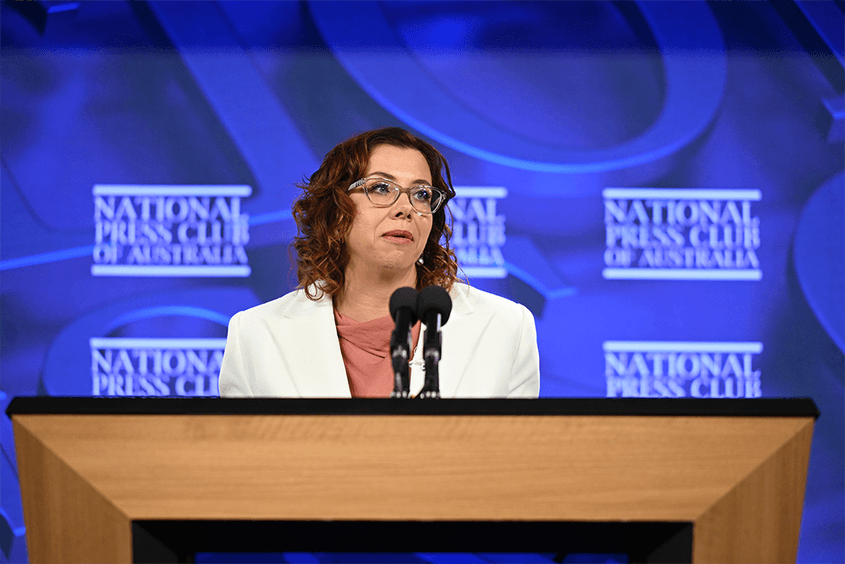
Photo: AAP Image/Nikki Short
Today, the Australian Bureau of Statistics revealed that annual inflation in April was 4.2%, down from 4.6% in March.
While it is likely to have little impact on the Reserve Bank of Australia’s (RBA) rate decision next month, the figures at least show that the large jump in inflation in March was a once-off.
With the release of the April figures, the level of inflation has now been above 3% for 9 months.
Such a figure might suggest that there will be yet another rate rise next month. But this appears unlikely:
While inflation above 3% often enough gets the RBA hitting the interest rate rise button, what is clear from the figures is that the impact of the oil price due to the Iran War remains a major cause of inflation.
Automotive fuel was the biggest driver of annual inflation, with electricity a close second, as it continues to be affected by the end of the energy rebates that give the sense that prices have risen more than they really have:
In a monthly sense, the big impact of petrol prices was in bringing down inflation due to the government’s halving of the fuel excise:
But the monthly price of automotive fuel only fell 9%.
That was because the Consumer Price Index (CPI) figures look at the average price across the month.
When we look at what has happened with the price in May, it’s clear there will be another fall in prices in next month’s figures – likely around 11%:
Across the different categories that the RBA looks at, the slight drop in services prices is important because services are labour intensive. If prices are going up in those items, that might be a sign that labour costs are rising as well – and the RBA remains utterly petrified that wages are about to take off.
But no, services price inflation was 3.5% – the lowest since August last year:
There was a slight rise in the “underlying level” of inflation, but again, so marginal that it is likely to have an impact on the thinking of the RBA.
The market is currently pricing in the odds of a rate rise at about 4%:
Advertisement
Another day, day 15 after the budget, and the press is still full of stories trying to evoke sympathy for the downtrodden rich in Australia.
It is kind of amazing how, after Jim Chalmers announced his reforms to the capital gains tax (CGT) discount and negative gearing, there was a conga line of wannabe influencer economists suddenly keen to demonstrate their Nobel Prize aspirations — telling everyone that the CGT discount introduced by John Howard in 1999, and negative gearing, really had nothing to do with the rise in house prices or the collapse in housing affordability over the past two decades.