Last month, One Nation won the Farrer by-election, just its second lower house seat after Barnaby Joyce in New England.
Farrer is the rural NSW seat formerly held by ex-Liberal leader Sussan Ley and, before her, a long line of Nationals – but between them, the two Coalition parties barely managed 22% of the vote, behind independent Michelle Milthorpe on 28% and One Nation on 40%.
One Nation candidate David Farley was known to have won the seat on election night, but the Australian Electoral Commission – rightly – takes its time distributing votes to understand how much he won by and how close the runner-up came.
This distribution of preferences also gives us insight into voter preferences.
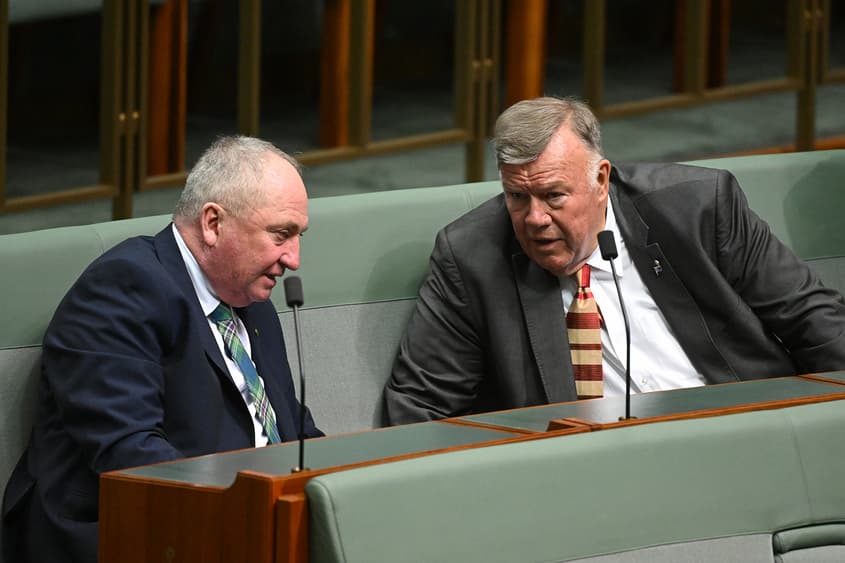
Controversially, the Liberals and Nationals recommended preferences for the far-right One Nation ahead of centrist independent Ms Milthorpe, a move criticised by more moderate Liberals.
But did Liberal and National voters toe the party line?
Not particularly.
AEC data published this week shows that six in 10 Liberal voters (59%) put One Nation first compared to four in 10 (41%) who put Ms Milthorpe first.
And seven in 10 National voters put One Nation first compared to three in 10 (31%) who put Ms Milthorpe first.
In total, over one in three Coalition voters (37%) defied the how-to-vote card and put the independent Ms Milthorpe above One Nation.
Ms Milthorpe picked up a majority of preferences from Greens, Legalise Cannabis and the Affordable Housing Now party, and both other independents in the race, and over a third of preferences from the minor right-wing parties contesting the by-election (Gerard Rennick People First, Family First and Shooters parties).
That creates a problem for the parties of the right. Voters who remain with the Liberals and Nationals have presumably stuck around because One Nation does not particularly appeal to them.
Good preference flows weren’t enough for Ms Milthorpe in Farrer due to One Nation candidate Mr Farley’s high first-preference vote. But in other seats, independent and minor party candidates may come through the middle and pick up votes from all sides.
Whether Coalition politicians choose a closer relationship with One Nation or a more distant one, it’s ultimately Liberal and National voters who will decide where their votes go. And that’s only possible thanks to the great Australian preferential voting system, where you decide what happens to your vote.