The latest Enterprise Bargaining Agreements data provides even more evidence that the labour market is not “tight” and that the Reserve Bank should not be looking to increase unemployment by raising rates next week.
Earlier this week, a member of the RBA Monetary Policy Board, Iain Ross, delivered an excellent speech that poured cold water on all the suggestions that a wage-price spiral was about to occur.
Ross pointed to the great differences between Australia’s current labour market and that which operated in the 1970s when the Iranian Revolution sparked a wage-price spiral that led to one of the deepest recessions since WWII.
As such, the RBA has moved its emphasis away from concerns about wages breaking out and driving inflation, and to the “tightness” of the labour market.
A tight labour market is economist speak for a situation where unemployment is so low that employers struggle to get labour and thus need to raise wages in order to attract staff, or to encourage staff not to leave – this in turn, forces companies to raise prices to cover the increased cost of labour.
That is really just a more subtle way of talking about a wage-price spiral. It suggests that a “tight labour market” is at least keeping inflation higher than it otherwise would be.
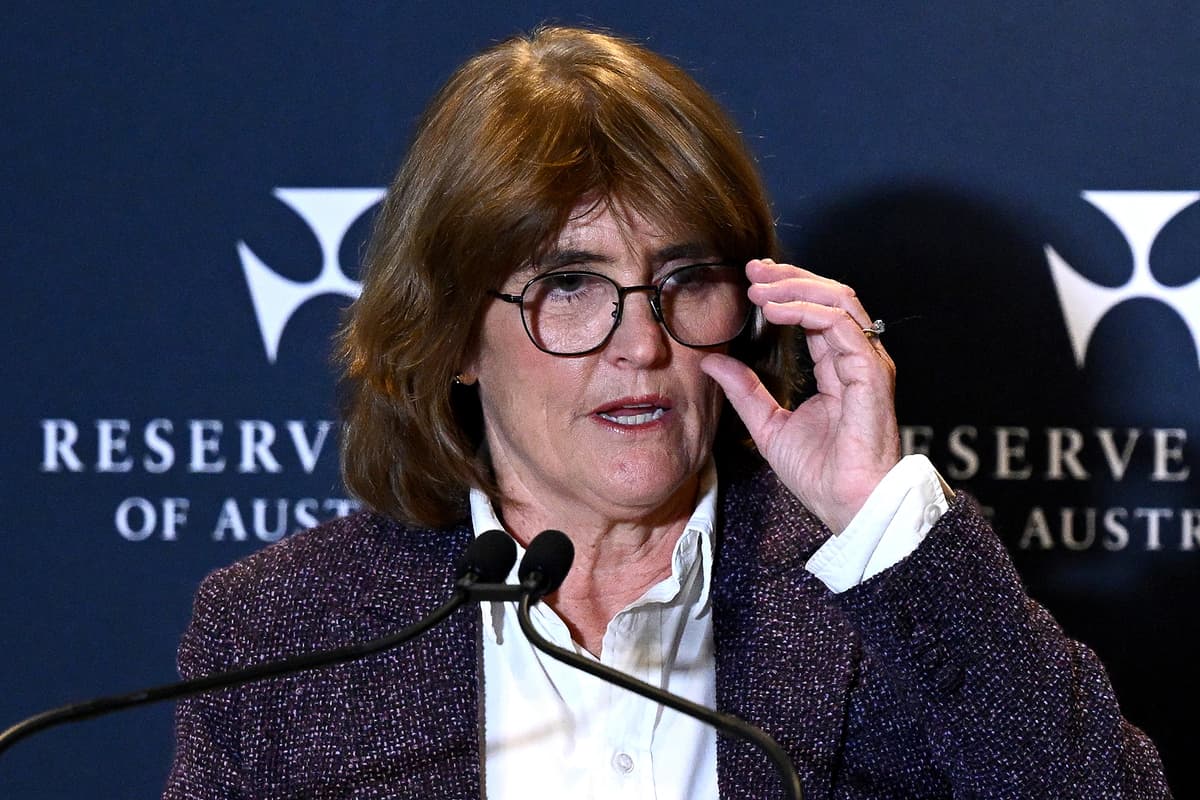
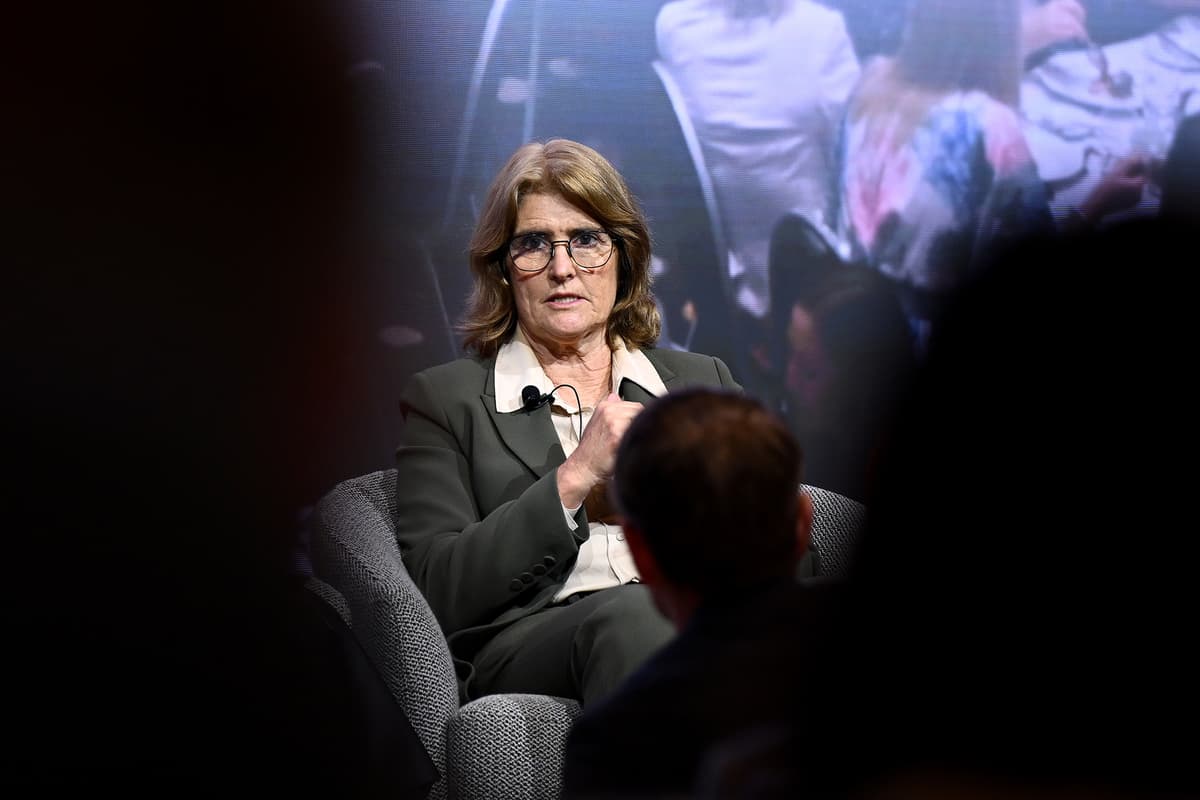
Earlier this week, the Governor of the Reserve Bank, Michele Bullock, told the Centre for Economic Development Australia that:
I think between 4.5 and 5 [unemployment] will probably take enough heat out of the labour market that it’ll ease pressure on inflation. But the whole point about inflation being too high at the moment is it’s reflecting the fact that the demand side of the economy is outstripping the ability of the economy to supply the goods and services, and one evidence of that is that the labour market looks tight.
That is fine, except the evidence that the labour market is tight is rather lacking.
On Thursday, the June quarter enterprise bargaining agreement (EBA) figures were released by the Department of Employment and Workplace Relations.
EBA’s, as a general rule, deliver stronger wage growth than other forms of wage setting, primarily because they cover around 3 years and also because they are often negotiated by unions.
Because they are more long-term than other types of wage setting, it means they have taken longer to respond to the increased inflation after 2022:
Get our newsletter
Quality research, analysis, explainers and factchecks from experts you can trust.
The data revealed that in the June quarter the average annual wage growth across all EBAs remained steady at 4.0% and that private sector wage growth remains similarly flat at 3.9%:
But the data also provides the average for all EBAs agreed to in each quarter. This is useful to gauge if such agreements are beginning to have higher wages that will likely be repeated as new ones are negotiated.
But in the June quarter, the average annual wage growth of EBA’s agreed to was 3.9% down from 4.0%, and in the private sector the fall was larger – down to 3.9% from 4.1%:
When we look at the industries with the highest number of employees covered by EBAs, it is clear that there is no sign that employees are obtaining higher wage increases now than they did a year ago.
This does not suggest a “tight” labour market.
Even in the construction industry, which should be the one that is experiencing the biggest wage pressures, there is no sign of wage growth rising. Despite the data centre construction “boom”, wage growth of workers in the sector on EBAs (most of whom work on large-scale commercial and industrial projects rather than in the housing market) is, on average, lower than what was agreed to in 2025:
Only in the public administration industry are there any signs of increasing wage growth. However, that is less about a tight labour market and more about public servants recovering lost real wages after the end of public sector wage caps in various states and in the APS.
The RBA might have given up suggesting that a wage-price spiral is coming, but their belief in a tight labour market will be enough for them to raise rates next week.
But in an economy where wage growth at worst is stable and is more likely falling, there seems little evidence that the current level of unemployment is forcing wages higher.
Nothing in this, or any other wage data, suggests unemployment needs to rise, and the RBA should not raise rates next week.