
The RBA has raised rates again. Here’s what its statement really means
Greg Jericho, Chief Economist at the Australia Institute, annotates the RBA’s latest statement, breaking down what the central bank is really telling us.
Inflation in August rose from 3.5% to 4.0%, which might make you think the RBA had a point in raising interest rates yesterday. The problem is that all of the increase was due to petrol prices.
Wed 30 Sep 2026 15.12 AEST
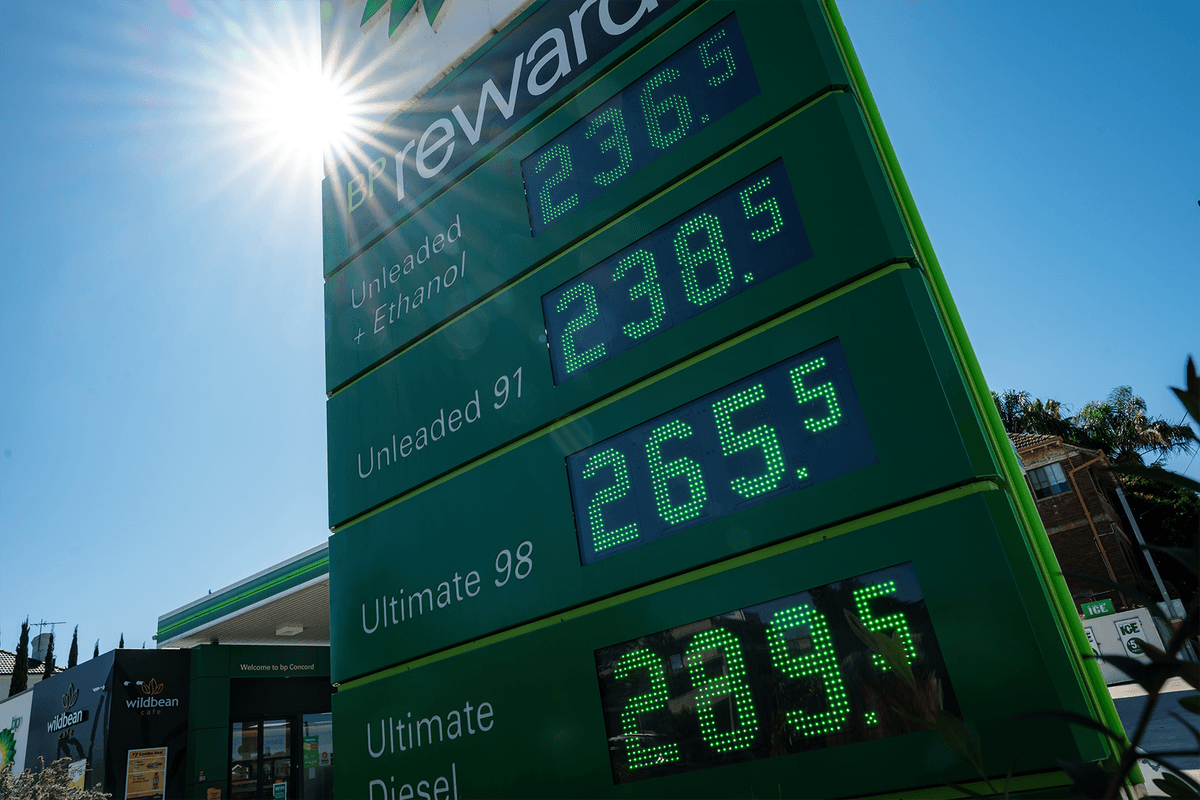
Photo: AAP Image/George Chan
Greg Jericho, Chief Economist at the Australia Institute, annotates the RBA’s latest statement, breaking down what the central bank is really telling us.
At 2:30pm, the Reserve Bank is almost certain to raise the cash rate to 4.6%, the highest it has been since November 2011 when the RBA cut the cash rate from 4.7% to 4.5%. It will be the act of a central bank hostage to old thinking and an inability to react to supply shocks.
Inflation in August rose from 3.5% to 4.0%, which might make you think the RBA had a point in raising interest rates yesterday. The problem is that all of the increase was due to petrol prices.
The August CPI figures were always going to be looked at with great interest, given they came out a day after the Reserve Bank met to decide interest rates. It was actually a bit silly that the RBA did not delay their meeting a day so they would be able to analyse the inflation figures.
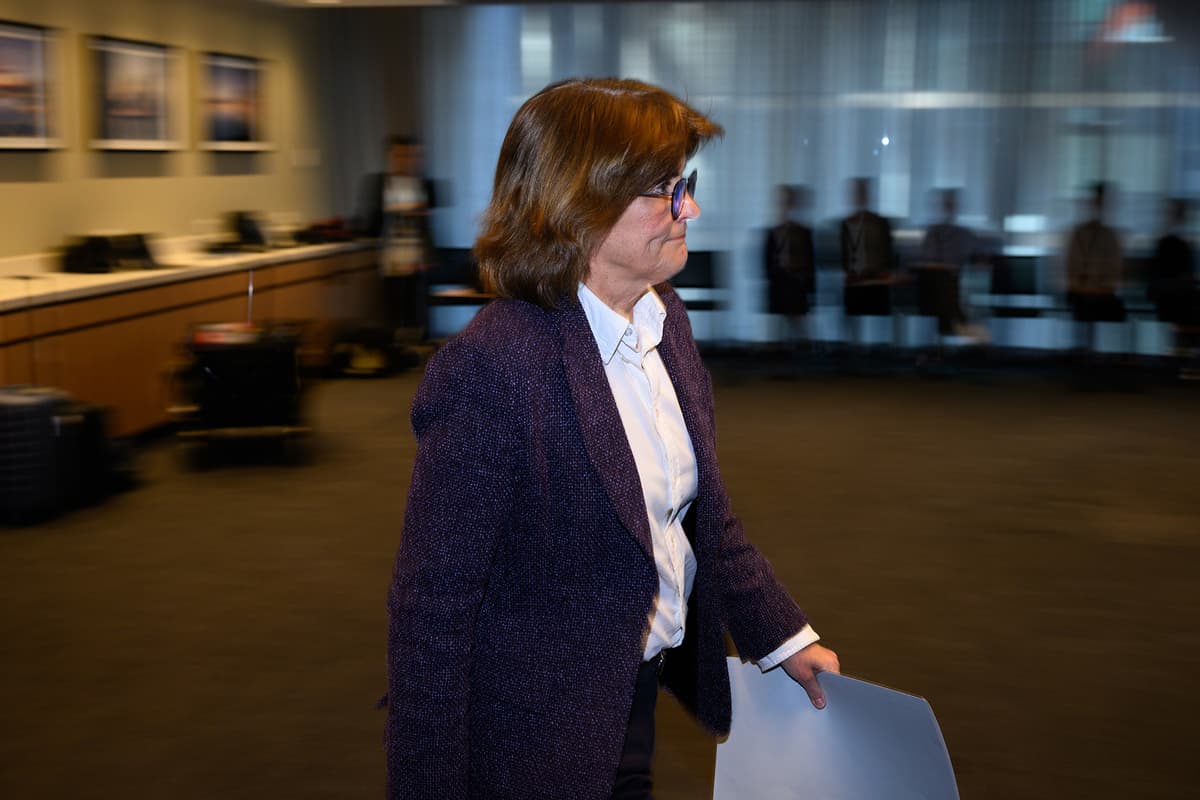
The Governor of the RBA, Michele Bullock, told reporters yesterday they didn’t move the meeting because the meetings were set 18 months in advance, and the members of the board were busy and had other commitments.
My thought is if they have other commitments more important than setting the interest rate, then perhaps they best resign from the RBA board.
But that aside, the inflation numbers were always going to be dominated by petrol:
In August, petrol prices rose on average 14.7% across the nation. There’s no mystery why. In August – oil prices rose, and despite Donald Trump declaring “Mission Accomplished” with an AI meme on Truth Social on 26 August, they have kept rising, so that means next month’s CPI figures will show another 10% increase:
This matters because when we break down why inflation rose in August, it is all due to petrol prices. If we exclude petrol prices, then inflation in August, rather than rising 0.4%, would have fallen 0.4%:
And here’s the thing – does the interest rate change any of that?
Nope.
Quality research, analysis, explainers and factchecks from experts you can trust.
Is that a sign that government spending is out of control and we need a Budget surplus because inflation is being driven by a spendthrift government?
Nope.
Who knew oil prices cause petrol prices to rise and the RBA can’t do a thing about it?
Everybody. Well, except those who now seem to think the real culprit is “domestic capacity”.
God help us.
In August, annual inflation rose to 4.0%, but excluding petrol prices, it would have remained flat at 3.5%. And sure, that is above the RBA’s target of 2% to 3%, but hardly panic stations. Indeed, hardly reason to do anything:
But given that the rise of inflation was due to petrol prices, which is something that many people cannot avoid having to pay for, it means households were given a double slap – rising petrol prices which reduces the amount of money they have to spend on other things, and now an interest rate rise, which will do the same.
The rise in the rate will not do anything to lower petrol prices, so it is a rise with no benefit.
Also of note is that the second biggest contributor to inflation was “games, toys and hobbies”. That is an odd item to have such a big impact, but it was driven by “price increases in memory and storage components”. The reason those components have increased in price is because of the demand for GPUs and other items used in data centres.
All of which leaves us with inflation being driven by things utterly unaffected by rate rises. And yet, the rate rise came.


